Download the App and manage your eSIMs easily
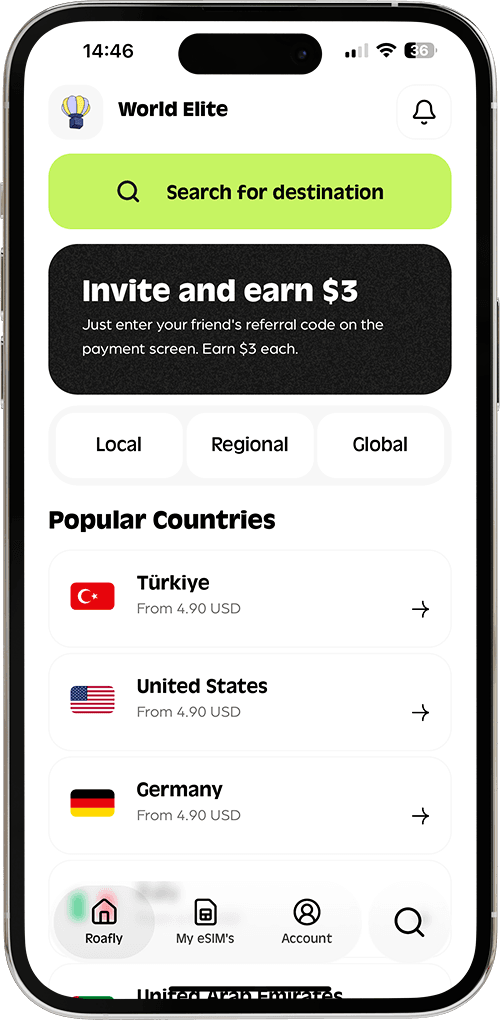
Create your order quickly
See your eSIM details
Track your remaining data
Download the App and manage your eSIMs easily
Create your order quickly
See your eSIM details
Track your remaining data
Cape Verde (Cabo Verde) is often called the "African Caribbean"—a paradise of golden dunes, turquoise waters, and the warming "Morabeza" hospitality. But for many travelers planning a trip in 2026, one question looms large: Is Cape Verde safe?
Unitel T+
Instant delivery
From 12.90 USD

Lena Hartley
Updated Jan 16, 2026
7 min read

Jump to section
👇Best for most trips
Unitel T+
Cape Verde
3 GB · 30 days
Enough for maps, bookings and everyday travel.
Hotspot supported
$34.90
From 12.90 USD
The short answer is yes. Cape Verde remains one of the safest political and social environments in Africa. However, it is not without its risks. The safety landscape shifts dramatically depending on whether you are relaxing in an all-inclusive resort in Sal, exploring the streets of Praia, or hiking in Santo Antão.
This comprehensive 2026 guide breaks down the safety levels by island, exposes common tourist scams, and provides crucial health updates that most travel brochures miss.
As of early 2026, major government bodies maintain a positive outlook on Cape Verde, but with specific caveats for urban areas.
US Department of State: Classifies Cape Verde generally as Level 1: Exercise Normal Precautions. However, the capital city, Praia, is often cited with a Level 2 advisory due to higher rates of street crime.
UK Foreign Office (FCDO): Deems the country safe for tourism but advises caution regarding muggings in main cities and warns against swimming on unflagged beaches due to strong currents.
While these ratings are reassuring, the reality on the ground requires a "street-smart" approach. Let’s look at the safety differences between the islands.
Not all islands are the same. The safety rules that apply to a resort town do not apply to the capital city.
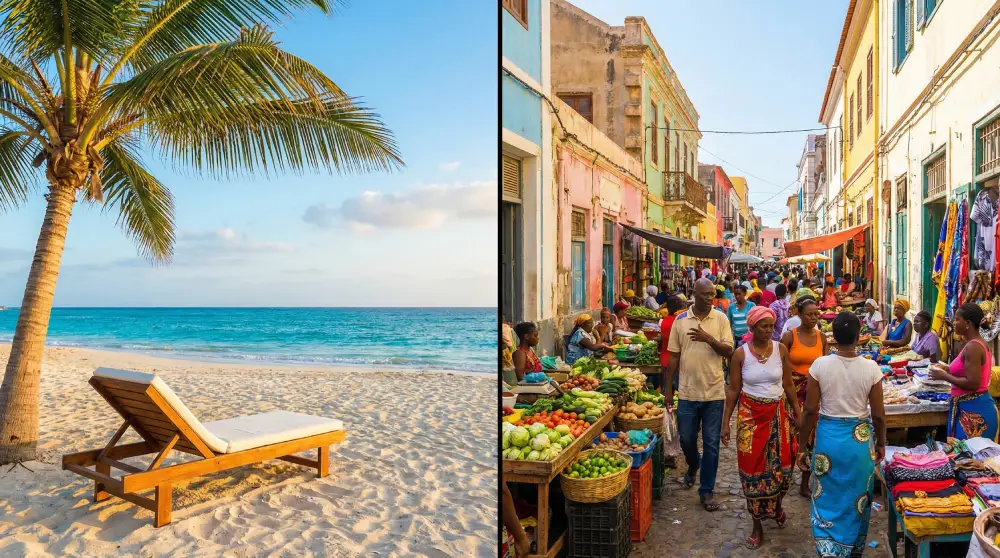
These two islands host 90% of Cape Verde’s tourism.
Safety Level: Very High.
The Vibe: Relaxed, holiday atmosphere. Police presence is visible in tourist areas like Santa Maria (Sal) and Sal Rei (Boa Vista).
Main Risks: The biggest annoyance here is hassle, not danger. You will be frequently approached by street vendors selling souvenirs or tours. Violent crime against tourists is extremely rare.
Caution: Avoid walking on deserted beaches at night. Stick to the well-lit promenades.
Home to the capital city, Praia.
Safety Level: Moderate (Requires Vigilance).
The Vibe: A bustling, working African city.
Main Risks: Pickpocketing and "snatch-and-grab" thefts are real risks here, especially in crowded markets or quiet stairways connecting neighborhoods.
Advice: Avoid wearing flashy gold jewelry or carrying expensive cameras openly around your neck in downtown Praia. Take taxis at night instead of walking.
Safety Level: High.
The Vibe: Cultural and peaceful. Mindelo (São Vicente) is generally safe but can get rowdy during festivals like Carnival. Santo Antão is a hiker's paradise and feels like a small village where everyone knows everyone.
Even in the safest areas, scammers prey on polite tourists. Being aware of these tricks will save you money and frustration.
This is the #1 classic in Santa Maria and Boa Vista.
The Setup: A friendly stranger approaches you on the street, shakes your hand, and says, "Hey! Do you remember me? I work at your hotel! I'm the waiter/gardener/cleaner."
The Hook: Because you don’t want to be rude, you pretend to remember. They then invite you to a "market" or ask for a small favor.
The Reality: They do not work at your hotel. They are trying to guilt-trip you into buying overpriced souvenirs.
Solution: A firm, polite "No, thank you" is enough. Keep walking.
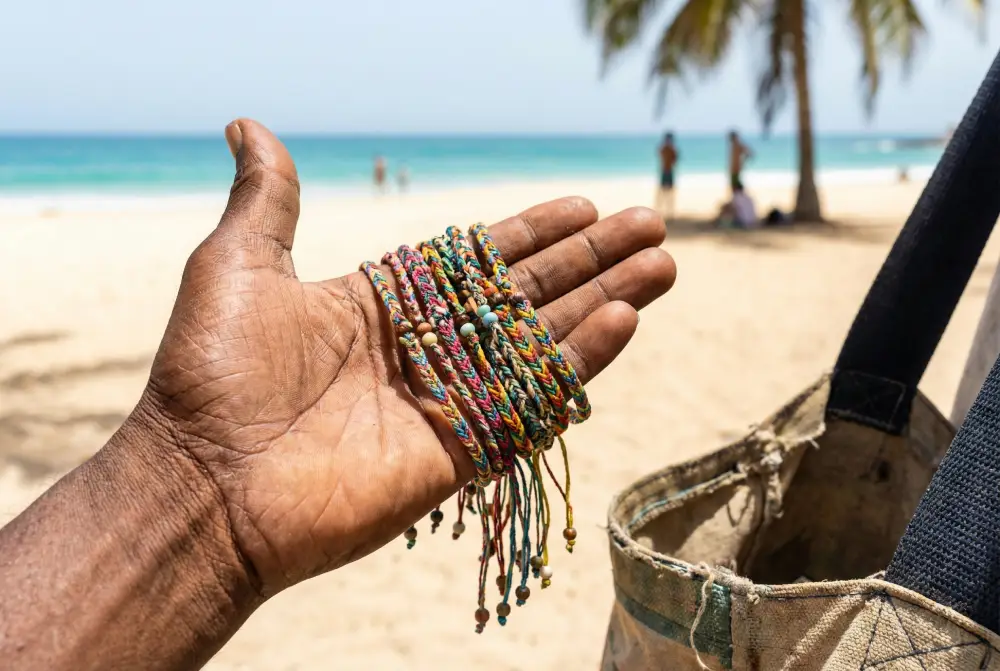
The Setup: Someone tries to tie a friendship bracelet on your wrist "for free" or as a "gift from Africa."
The Hook: Once it's on, they demand payment, often aggressively.
Solution: Keep your hands in your pockets or crossed. Do not let anyone attach anything to you.
The Setup: You are looking at a map or seem lost. A local offers to show you the way.
The Hook: Upon arrival, they demand a large tip for their "guide service."
Solution: Use Google Maps on your phone. This is why having reliable mobile data is a safety tool (more on this below).
Safety isn't just about crime; it's about staying healthy. In late 2025, Cape Verde faced health challenges that you must be aware of.
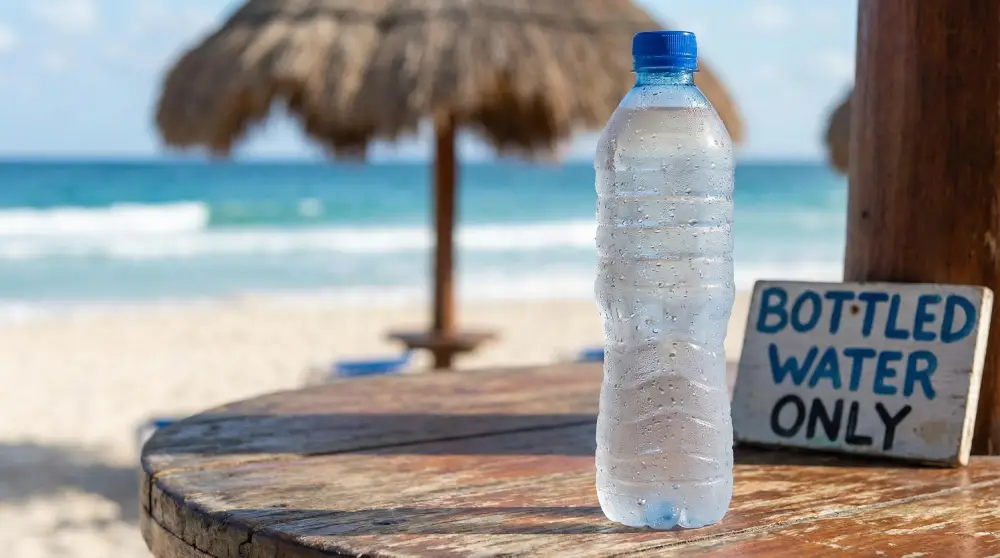
No. Do not drink tap water in Cape Verde. It is desalinated ocean water, which is safe for showering but can upset your stomach.
Advice: Drink bottled water. Use bottled water for brushing your teeth if you have a sensitive stomach.
Ice: In 4-5 star hotels, ice is usually made from purified water. In local bars, ask if the ice is made from treated water or avoid it.
Cape Verde experienced a rise in Dengue Fever cases (transmitted by mosquitoes) in late 2025, particularly in Santiago and Fogo.
Prevention: Bring strong insect repellent containing DEET. Wear long sleeves during sunrise and sunset when mosquitoes are most active.
There have been reports of travelers returning with stomach issues.
Tip: Wash your hands frequently. Carry hand sanitizer. Be cautious with street food salads or unpeeled fruits.
In 2026, a working phone is your most important safety device. Being offline in a foreign country increases your vulnerability.
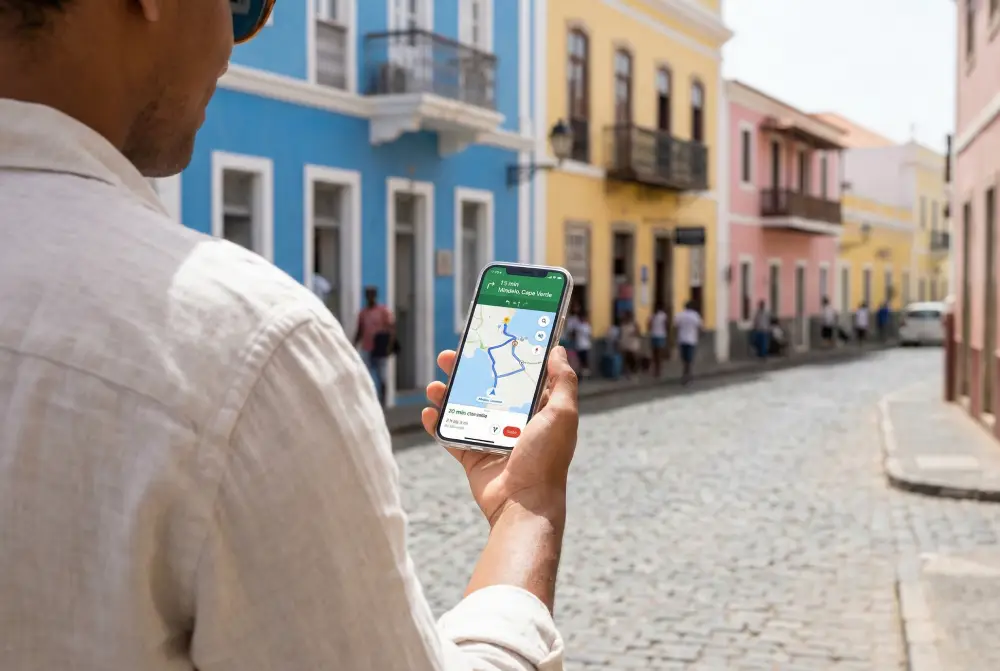
Navigation: You can avoid unsafe neighborhoods in Praia by following GPS directions rather than wandering aimlessly.
Emergency Transport: If you feel uncomfortable at night, you can check apps or call a verified taxi immediately.
Translation: Language barriers can lead to misunderstandings. Translation apps bridge that gap.
Don't risk buying a SIM card on the street. Street vendors may sell you unregistered or fake SIM cards. For a secure connection, setup your internet before you fly. Check the Best eSIM for Cape Verde guide to compare safe, digital options.
If you are confused about how to set it up, read our How to Get Internet in Cape Verde tutorial.
Is Cape Verde safe for solo female travelers? Generally, yes. It is considered one of the safer African destinations for women.
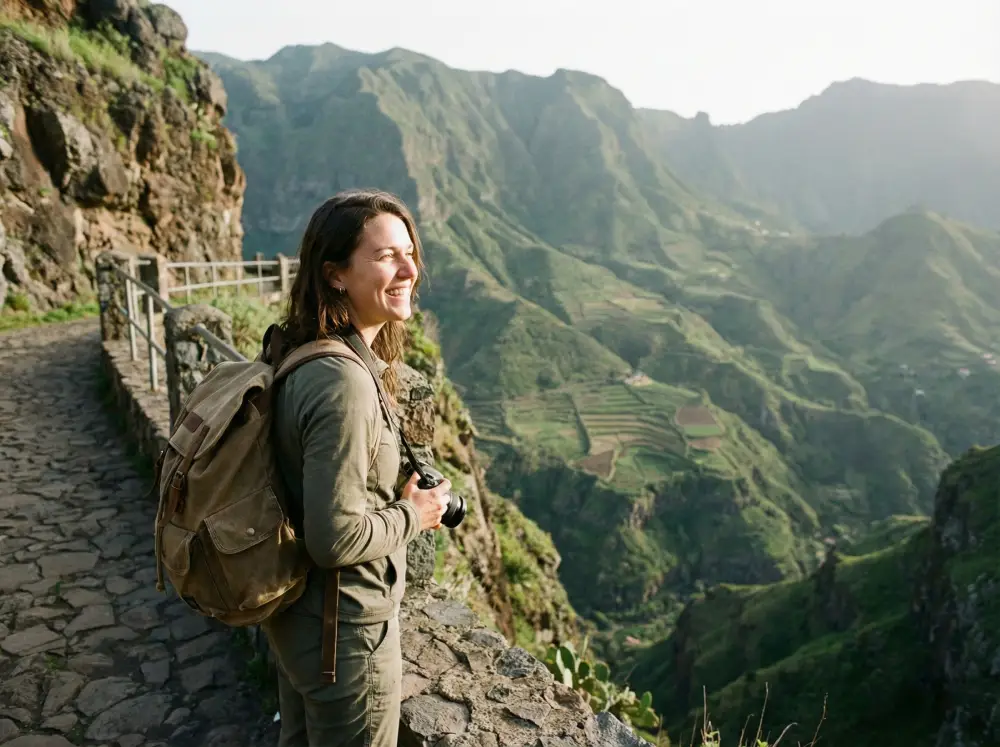
Catcalling: You may experience "hissing" or catcalling sounds. This is culturally common and usually harmless, though annoying. Ignore it.
Night Safety: Avoid walking alone on empty beaches at night. Stick to areas with other tourists.
Dress Code: Cape Verde is liberal. Bikinis and shorts are perfectly fine in beach towns.
Save these numbers in your phone before you leave the hotel.
Best for most trips
Unitel T+
Cape Verde
3 GB · 30 days
Enough for maps, bookings and everyday travel.
Hotspot supported
$34.90
From 12.90 USD
Tip: In a medical emergency, private clinics in Sal and Mindelo often provide better care than public hospitals. Travel insurance is highly recommended.
Renting a car (especially a 4x4) is a popular way to see the islands.
Road Conditions: Main roads in Sal and Santiago are paved and decent. Mountain roads in Santo Antão are spectacular but narrow and winding—only for confident drivers.
Animals: Watch out for stray dogs and goats on the roads, especially at night.
Lighting: Many roads are poorly lit. Avoid night driving between towns.
Absolutely not. Cape Verde is a stunning, welcoming destination that thousands of people visit safely every month. The "dangers" here are mostly petty annoyances rather than serious threats.
By using common sense—locking your hotel room, not flashing cash, and staying connected with reliable internet—you will have a trouble-free trip.
Stay Safe & Connected Ensure you have access to maps and emergency contacts the moment you land.
👉 Get your Cape Verde eSIM here and travel with peace of mind.
Choose the perfect data plan for your trip

Manage your eSIM in the app
Install, top up and track data.
