

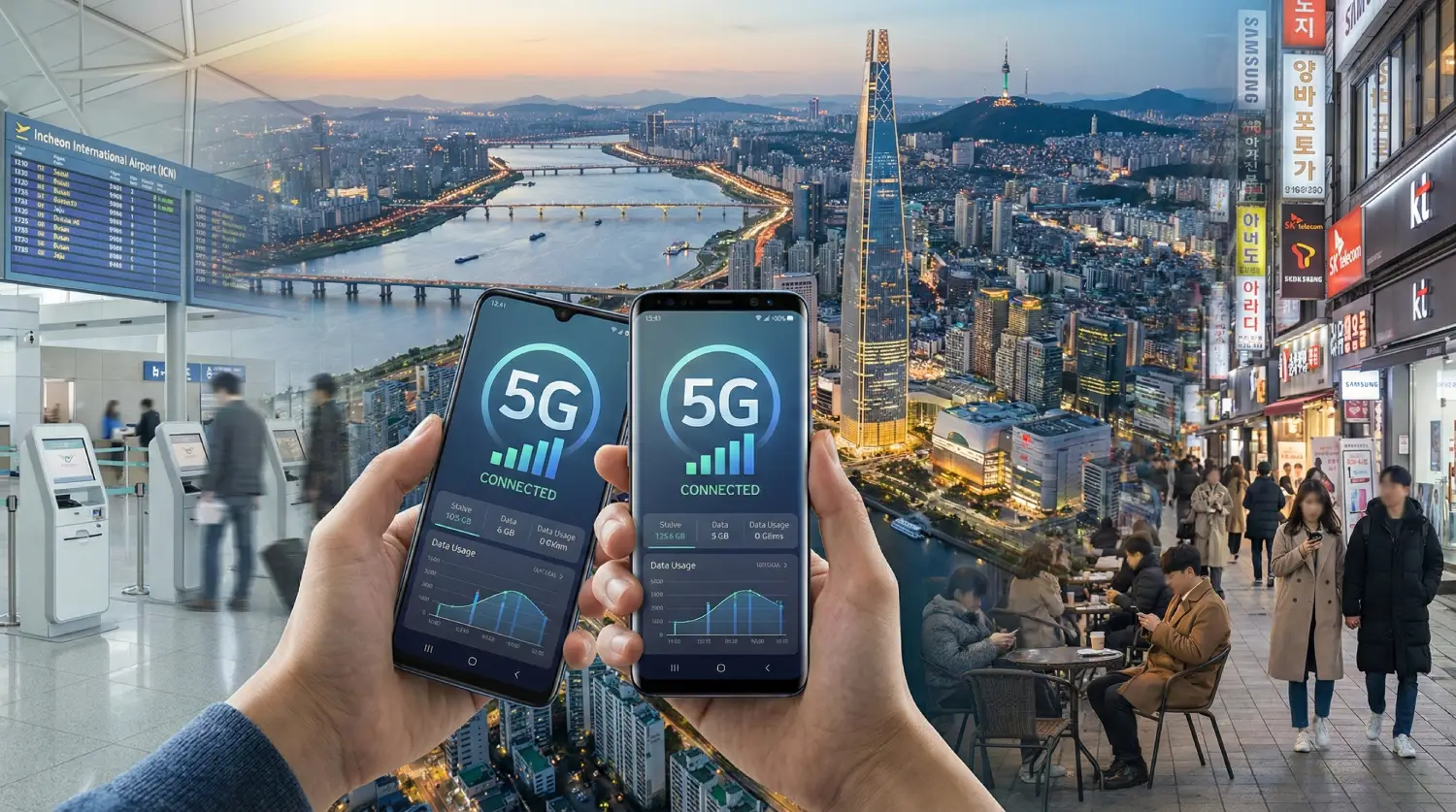

Whether you’re landing in Seoul, exploring Busan, or taking high-speed trains across the country, having reliable mobile internet is essential for navigation, translation apps, messaging, and payments.
This guide explains how to get internet in South Korea in 2026, covering airport SIM cards, local prepaid SIM options, Roafly eSIM plans, and pocket Wi-Fi rentals — with realistic pricing and practical advice for travelers.
Mobile Internet in South Korea: What Travelers Should Know
South Korea consistently ranks among the top countries globally for mobile internet speed and coverage. Nationwide 4G LTE and extensive 5G networks ensure stable connectivity in cities, towns, and even on public transport.
For travelers, the main ways to get connected are:
-
Airport tourist SIM cards
-
Local prepaid SIM cards
-
eSIM data plans
-
Pocket Wi-Fi (portable hotspot)
Each option serves a different travel style, length of stay, and device setup.
Buying a SIM Card at South Korea Airports
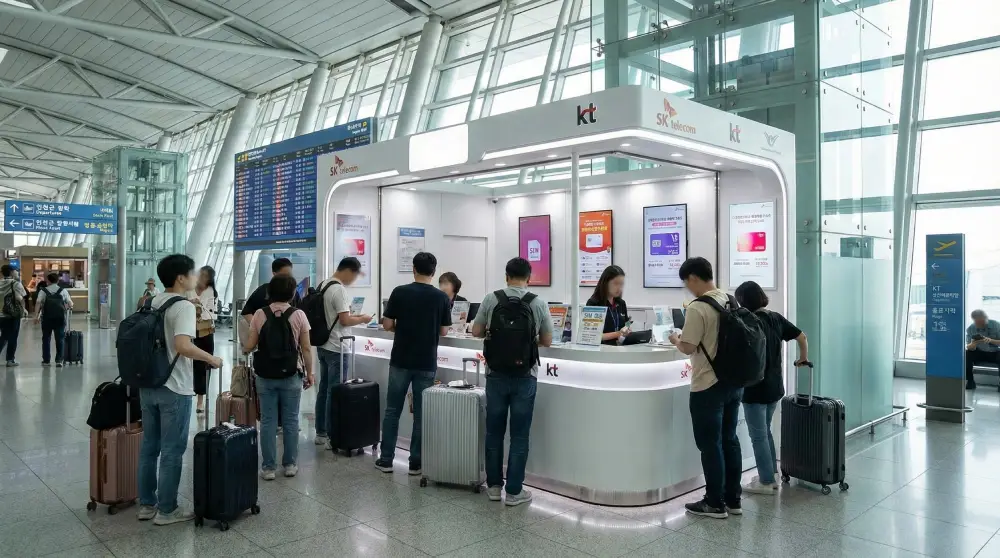
Most travelers arriving in South Korea land at Incheon International Airport (ICN), with others arriving via Gimpo (GMP) or Busan Gimhae (PUS). All major airports have SIM card counters specifically designed for tourists.
Airport Tourist SIM Cards: What to Expect
Airport SIM cards are sold at dedicated telecom desks in arrival halls. Staff speak English, activate the SIM for you, and ensure it’s working before you leave the counter.
Typical airport tourist SIM prices in 2026:
-
3 days unlimited data: ~$10–12
-
5 days unlimited data: ~$15–18
-
10 days unlimited data: ~$25–30
-
30 days unlimited data: ~$55–65
These airport SIM plans are usually marketed as unlimited data, but most are subject to a fair usage policy (FUP). After reaching a certain data threshold, speeds may be reduced for the remainder of the validity period. Most airport SIMs are data-only, although some plans include limited local calling minutes.
Pros and Cons of Airport SIM Cards
Pros
-
Instant connectivity after landing
-
English-speaking assistance
-
No setup hassle
Cons
-
More expensive than local SIMs
-
Limited plan flexibility
-
Physical SIM swap required
Airport SIMs are ideal if you want zero friction on arrival and don’t mind paying a premium for convenience.
Local Prepaid SIM Cards in South Korea
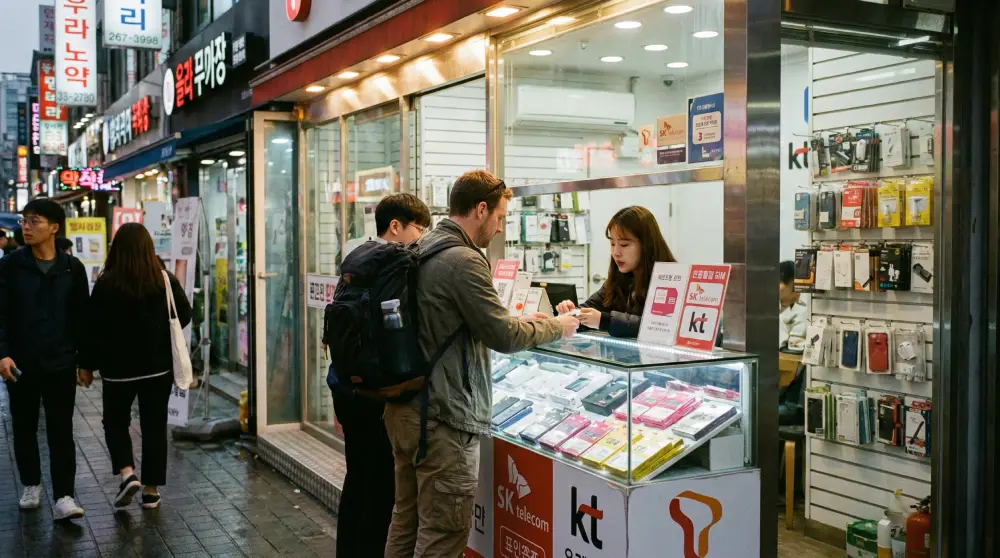
If you want better value and are staying longer than a few days, local prepaid SIM cards purchased in the city are usually cheaper than airport options.
Where to Buy Local SIM Cards
Local SIM cards can be purchased from:
-
Telecom brand stores in city centers
-
Mobile phone shops
-
Electronics malls
-
Some convenience stores
You’ll usually need your passport for registration.
Local SIM Card Prices (City Stores)
In downtown Seoul or Busan, local prepaid SIM pricing in 2026 typically looks like this:
-
SIM card: ~$3–5
-
5–10 GB data packages: ~$10–15
-
20–30 GB data packages: ~$20–30
Unlimited plans are less common in local shops compared to airport tourist SIMs, but data allowances are generous and speeds are excellent.
Coverage and Performance
Local SIM cards connect directly to South Korea’s top-tier mobile networks, delivering strong signal strength in:
-
Cities and suburbs
-
Subway systems
-
High-speed trains (KTX)
-
Popular tourist areas
Rural and mountainous areas may experience slower speeds, but coverage remains reliable overall.
Downsides of Local SIM Cards
-
Requires visiting a store after arrival
-
Language barriers possible outside tourist zones
-
Physical SIM replacement needed
eSIM in South Korea: Digital Convenience for Travelers
For many travelers in 2026, using an eSIM is the easiest way to get internet in South Korea. South Korea eSIM allows you to install a digital data plan on your phone before traveling, so your mobile internet is ready as soon as you land — without visiting stores or swapping physical SIM cards.
This option is especially convenient for short trips, multi-city itineraries, and travelers who want a smooth arrival experience with immediate connectivity.
If you want a deeper comparison of different eSIM approaches, the guide titled Best eSIM for South Korea: Comparing Top Providers, Networks, and Prices offers a broader overview.
Roafly South Korea eSIM Plans
Roafly provides flexible, data-only eSIM plans that work seamlessly in South Korea. These plans are designed for travelers who want fast setup, reliable coverage, and clear pricing in USD.
Roafly South Korea eSIM pricing (2026):
| Data | Validity | Price (USD) |
|---|---|---|
| 1 GB | 7 days | $3.90 |
| 3 GB | 30 days | $7.50 |
| 5 GB | 30 days | $9.90 |
| 10 GB | 30 days | $16.00 |
| 20 GB | 30 days | $24.00 |
| 50 GB | 30 days | $39.90 |
These plans connect to leading local networks, ensuring strong coverage and high speeds across the country.
Why Many Travelers Choose eSIM
-
No physical SIM swap
-
Instant activation after landing
-
Keep your home SIM active for calls or OTPs
-
Purchase and install before departure
Roafly eSIMs support mobile hotspot, making them suitable for laptops and tablets as well.
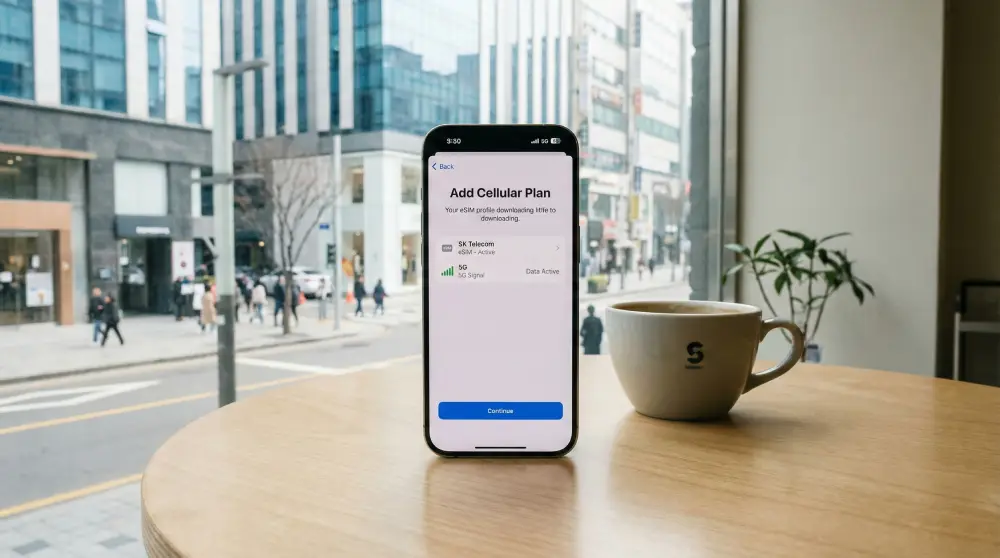
Things to Check Before Buying an eSIM
-
Your phone must be eSIM-compatible
-
Device must be carrier-unlocked
-
Installation should be completed before travel
Pocket Wi-Fi in South Korea
Pocket Wi-Fi has long been popular in South Korea, especially among group travelers and digital nomads.
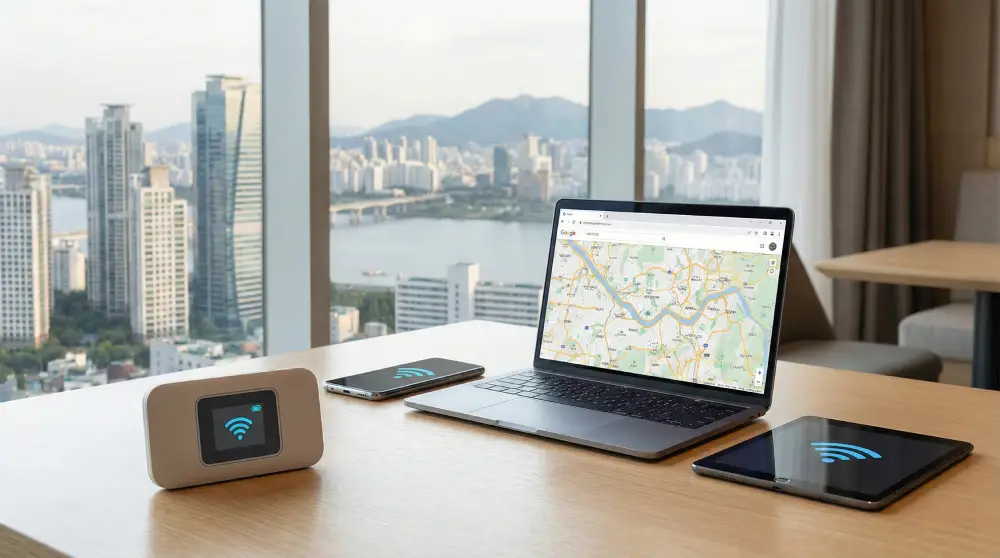
How Pocket Wi-Fi Works
Pocket Wi-Fi is a portable router that connects to local mobile networks and creates a private Wi-Fi hotspot. You can connect multiple devices simultaneously.
Pocket Wi-Fi Costs
Typical rental prices in 2026:
-
Daily rental: ~$6–10 per day
-
Weekly packages: ~$40–60
-
Monthly rentals: ~$90–120
Unlimited data plans are common, but speed may be throttled after heavy usage.
Pros and Cons of Pocket Wi-Fi
Pros
-
Connect multiple devices
-
Works with phones, laptops, tablets
-
No phone compatibility concerns
Cons
-
Extra device to carry
-
Needs daily charging
-
Higher cost than single-user eSIM
Pocket Wi-Fi is best for families, groups, or travelers working on multiple devices.
Comparing Internet Options in South Korea
| Option | Ease of Setup | Cost | Best For |
|---|---|---|---|
| Airport SIM | Very easy | High | Short stays, instant access |
| Local SIM | Medium | Low | Longer stays |
| Roafly eSIM | Very easy | Medium | Most travelers |
| Pocket Wi-Fi | Medium | High | Groups & remote work |
Mobile Network Operators in South Korea: Coverage Comparison
South Korea has three major nationwide mobile network operators: SK Telecom, KT, and LG U+. All three offer fast 4G LTE and extensive 5G coverage, making mobile internet highly reliable for travelers.
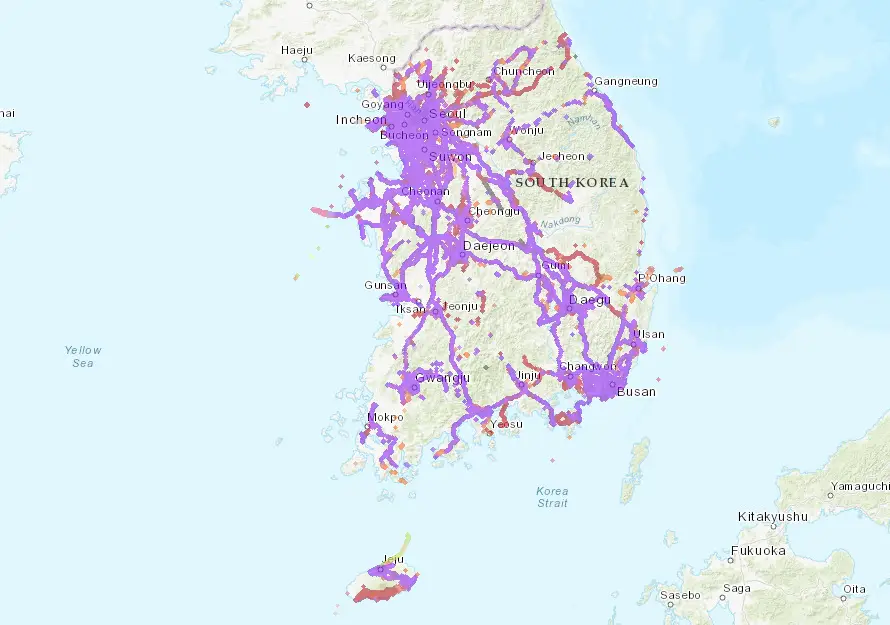
SK Telecom (SKT)
-
Largest mobile operator in South Korea
-
Widest nationwide coverage
-
Excellent signal quality in major cities, subways, and high-speed trains
-
Very stable speeds for navigation, streaming, and messaging
Best for: Travelers who want the most consistent coverage across the country
KT
-
Strong coverage in metropolitan areas and city centers
-
Reliable performance in Seoul, Busan, and popular tourist districts
-
Good balance of speed and stability for everyday travel use
Best for: City-focused travel and short-to-medium stays
LG U+
-
Solid coverage in cities and along main transport routes
-
Good data performance for standard travel needs
-
Coverage may be slightly weaker in remote or mountainous regions
Best for: Urban travel and typical tourist routes
Why Network Access Matters for Travelers
While mobile coverage in South Korea is excellent overall, network performance can vary slightly depending on location, buildings, or transit routes. Access to multiple networks helps ensure a more stable connection throughout your trip.
Roafly eSIMs automatically connect to both SK Telecom and LG U+, allowing the device to switch between networks when needed. This dual-network access improves reliability, reduces signal drops, and delivers more consistent mobile internet as you move between cities, subways, and different regions of South Korea.
Tips for Using Mobile Internet in South Korea
-
Download essential apps (maps, translation, transport) before arrival
-
Enable data roaming for eSIM usage
-
Use Wi-Fi in cafes and hotels to save data
-
Consider 10–20 GB if using navigation and social media daily
South Korea’s infrastructure is extremely traveler-friendly, so data consumption tends to be higher due to fast speeds and app-heavy services.
Final Thoughts
Getting internet in South Korea in 2026 is simple, affordable, and reliable. The best option depends on how you travel:
-
Airport SIMs are fast and easy but cost more
-
Local prepaid SIMs offer strong value if you don’t mind extra setup
-
Roafly eSIM delivers the best balance of convenience, price, and flexibility
-
Pocket Wi-Fi works well for groups and multi-device users
Choose the option that matches your travel style, data needs, and device setup — and enjoy seamless connectivity throughout South Korea.
If your trip doesn’t end in South Korea and you’re continuing on to Japan, planning your mobile internet in advance can save time and hassle. Using a Japan eSIM allows you to stay connected the moment you land, without relying on airport counters or physical SIM cards.
Check the latest South Korea eSIM packages and stay connected from the moment you land.