

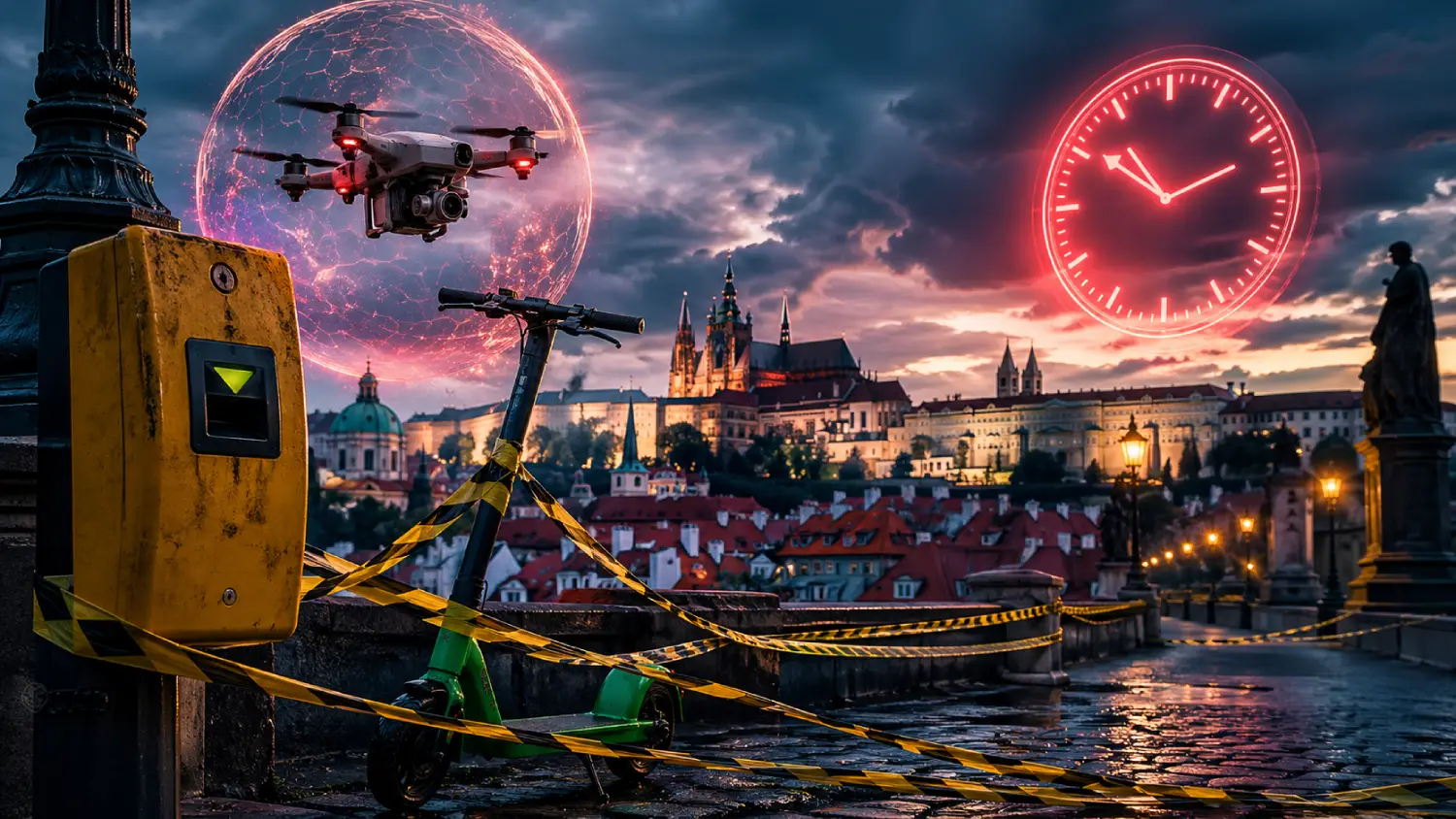

Many tourists assume the Czech Republic is a playground free of rules, fueled by cheap beer and vibrant nightlife. Ignorance of the law is never an excuse, and local authorities have zero patience for disruptive visitors. Plainclothes inspectors and heavily armed police routinely patrol tourist hotspots.
You will face immediate, on-the-spot financial penalties if you break the rules. To protect your travel budget and stay out of trouble, you must understand the strict municipal codes. Before you pack your bags, memorize these critical bans and legal traps.
The Public Transport Trap: Validate or Pay Up
The most common way tourists lose money in Prague is by failing to validate their transit tickets. Buying a paper ticket from a machine is simply not enough to ride legally. You must stamp the ticket in the yellow validation machines before boarding the metro, tram, or bus.
If you carry an unstamped ticket, plainclothes transit inspectors will treat you as a fare evader. The standard fine for fare evasion is a hefty 1,500 CZK (reduced slightly if paid immediately on the spot). Inspectors target tourists specifically because they know foreigners often misunderstand the system.
-
Look for the yellow boxes: Always insert your ticket to print the timestamp.
-
Keep it until you exit: You can be checked even while walking out of the metro station.
-
Digital tickets: If using an app, activate the ticket before stepping into the vehicle.
Zero Tolerance: Alcohol, Bicycles, and E-Scooters
Do not let the famous Czech beer culture fool you into thinking public transport laws are relaxed. The Czech Republic enforces a strict zero-tolerance policy for alcohol when operating any vehicle. This absolute ban includes bicycles and electric scooters.
If you are caught riding an e-scooter with even a trace of alcohol in your blood, you face astronomical fines ranging from 10,000 CZK to 25,000 CZK. Police frequently set up checkpoints on popular cycling paths and near nightlife districts. Refusing a breathalyzer test automatically incurs the maximum penalty.
Furthermore, riding e-scooters on sidewalks is strictly illegal. The historic Prague 1 district has banned e-scooters in many pedestrian zones entirely.
-
No sidewalk riding: You must ride on the street or in designated cycle lanes.
-
Zero blood alcohol: You cannot have a single beer if you plan to ride.
-
Park responsibly: Leaving scooters blocking pedestrian paths results in heavy municipal fines.
The Myth of "Legal" Weed and Narcotics Fines
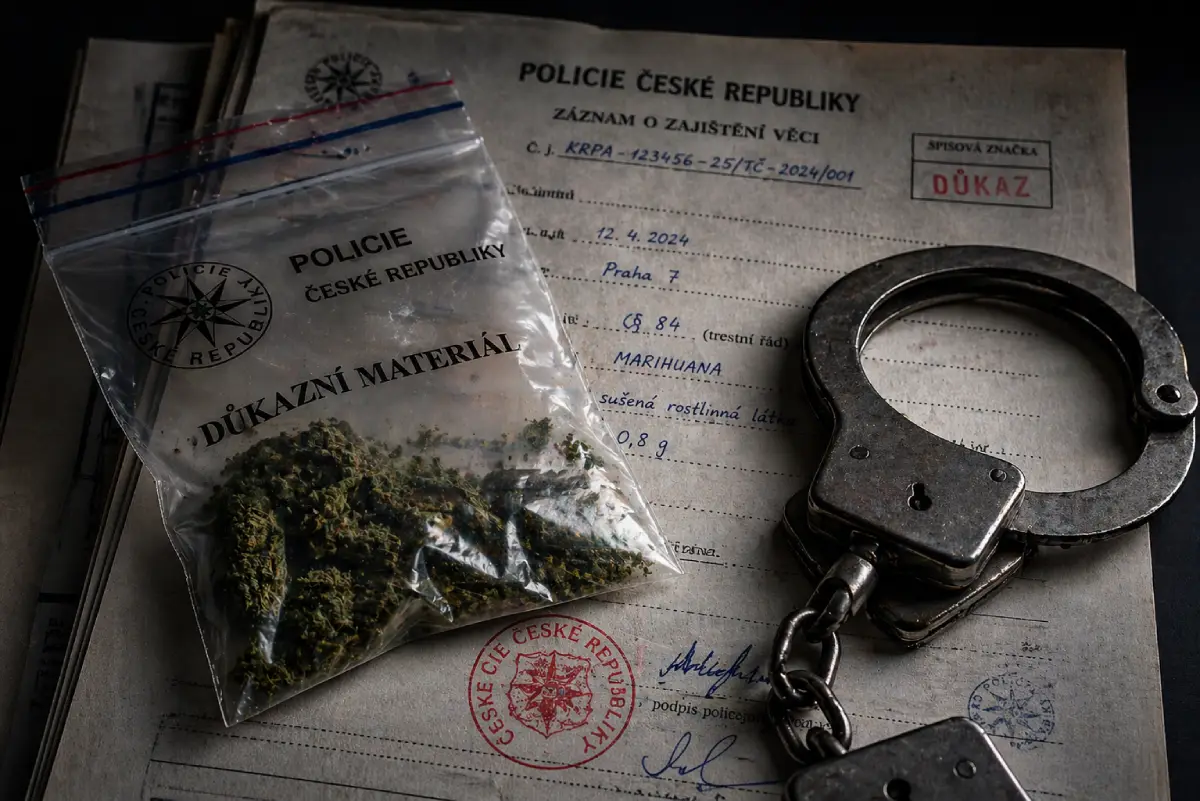
A dangerous misconception is that marijuana and recreational drugs are entirely legal in the Czech Republic. Drugs are strictly illegal, and tourists often find themselves detained for openly carrying or consuming narcotics. While possession of small amounts was decriminalized, it is still classified as a serious misdemeanor.
If police catch you with personal amounts of marijuana, cocaine, or ecstasy, they will confiscate the substances immediately. You will also be handed an on-the-spot fine of up to 15,000 CZK. Attempting to purchase drugs from street dealers is highly dangerous and often results in tourists being violently mugged or sold toxic counterfeits.
For detailed legal classifications, the official Ministry of the Interior of the Czech Republic outlines all narcotics enforcement policies. If you require prescription medication like Adderall (which contains amphetamines), you must carry a translated doctor's note. Bringing restricted medications without documentation can lead to severe trafficking charges.
The Night Peace Law: Beware the 10 PM Curfew
The Czech Republic legally enforces a period of "Night Peace" (Noční klid) every single day between 10:00 PM and 6:00 AM. During these hours, making excessive noise in the streets, apartments, or hotel balconies is a direct violation of municipal law. Local residents will not hesitate to call the police on loud tourists.
Singing, shouting, or dragging noisy suitcases over cobblestones after 10 PM can easily attract police attention. If dispatched, officers can issue immediate fines starting at 5,000 CZK for disturbing the peace.
-
Keep voices low: Whisper when walking through residential neighborhoods at night.
-
Pub voices inside: Do not gather outside of bars or clubs to shout and smoke.
-
Airbnb warnings: Neighbors are highly vigilant and will report noisy apartment parties instantly.
Public Drinking Bans in Prague's Historic Center
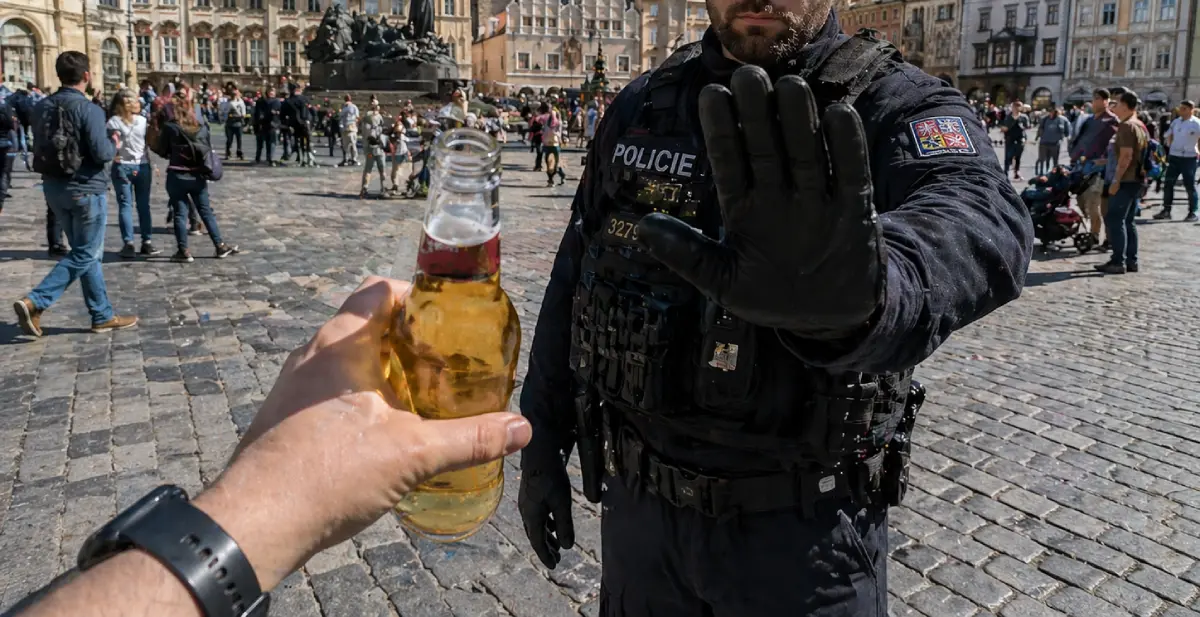
Grabbing a beer from a corner store and wandering through the Old Town Square is a quick way to get fined. Over 800 streets, squares, and parks in Prague have strict bans on consuming alcohol in public spaces. This law was significantly expanded to curb rowdy tourist behavior.
If you are caught drinking an open container of alcohol in a prohibited zone, police will force you to pour it out. You will also be issued a fine of up to 1,000 CZK on the spot. The ban heavily targets areas near schools, playgrounds, public transit stops, and major historical monuments.
-
Stick to the pubs: Consume your alcohol within the outdoor seating boundaries of bars and restaurants.
-
Parks are risky: specific parks allow picnics with alcohol; check local signage carefully.
-
Concealment doesn't work: Wrapping a bottle in a paper bag will not stop police from questioning you.
Strict Drone Regulations and No-Fly Zones
Flying a drone in the Czech Republic without proper authorization is incredibly risky and highly regulated. Because of its dense historical architecture and heavy air traffic, Prague is essentially a massive no-fly zone for recreational drones. You cannot fly a drone over Prague Castle, the Charles Bridge, or any crowds.
According to the official Civil Aviation Authority (CAA), all drones equipped with a camera or weighing over 250 grams must be legally registered. You must also pass an test to obtain a pilot's registration number.
Flying an unregistered drone or breaching a no-fly zone will lead to immediate confiscation of your equipment. Fines for violating airspace laws are astronomical, frequently exceeding 100,000 CZK. Always check official aviation maps before launching your drone anywhere in the country.
Crossing the Line: Severe Jaywalking Fines
Pedestrian traffic rules are heavily enforced, and locals take them very seriously. Jaywalking is illegal in the Czech Republic. If you cross the street when the pedestrian light is red, you are breaking the law, even if no cars are coming.
Police officers actively watch major intersections in tourist areas. Crossing illegally will result in a quick 2,000 CZK fine.
-
Wait for the green man: Never step off the curb until the light officially changes.
-
Use the crosswalks: If you are within 50 meters of a designated crosswalk, you must use it.
-
Trams have the right of way: Never step in front of a moving tram; they cannot stop quickly and they legally have priority over pedestrians.
Anti-Smoking Laws and Littering Traps
The Czech Republic enacted a comprehensive anti-smoking law, and lighting up in the wrong place is an expensive mistake. Smoking is strictly banned inside all restaurants, pubs, cinemas, and theaters. This ban also completely covers the platforms and shelters of all public transport stops.
Lighting a cigarette while waiting for a tram will guarantee a 5,000 CZK fine from transit police. While vaping and e-cigarettes are permitted in some indoor spaces, individual venues have the right to ban them.
Furthermore, flicking your cigarette butt the cobblestones is considered illegal littering. Keep the streets clean, use designated ashtrays, and respect the "no smoking" stickers pasted on venue windows.
Customs Red Flags: What NOT to Bring
Before you pack your bags, you must understand what is strictly prohibited from entering the country. Bringing in meat or dairy products from outside the European Union is entirely banned. Customs officers at Václav Havel Airport use sniffer dogs to enforce these agricultural borders strictly.
If you are planning to bring in gifts or personal supplies, you must strictly adhere to the legal limits. For an exhaustive breakdown of exactly what you can pack in your luggage, you must review our guide on Czech Republic Airport Customs Rules: Alcohol & Limits.
Counterfeit goods, unauthorized weapons (like pepper spray or certain folding knives), and uncertified prescription drugs will be confiscated at the border. Always declare cash amounts exceeding €10,000 to avoid severe money laundering penalties.
Stay Connected to Stay Safe
Navigating foreign laws, translating warning signs, and finding safe routes requires a reliable internet connection. Relying on spotty public Wi-Fi puts your personal data at risk and leaves you vulnerable when you need a map the most. Having instant access to data allows you to double-check local bans and instantly contact your embassy in an emergency.
Need data in Czech Republic? Get an eSIM!
Choose the perfect data plan for your trip

Manage your eSIM in the app
Install, top up and track data.
If you aren't sure how to keep your phone active without paying massive roaming fees, review our comprehensive breakdown on How to Get Internet in the Czech Republic. The easiest way to ensure you land with a secure connection is by downloading a digital data plan before your flight.
By activating a Czech Republic eSIM, you bypass predatory airport kiosks and scammy street vendors entirely. For a full breakdown of the fastest networks and cheapest deals, check out our guide on the Best eSIM for Czech Republic. Stay smart, stay connected, and avoid the tourist traps.
Summary Checklist (Don't Be That Tourist)
-
Never ride anything after drinking: E-scooters and bicycles carry a strict zero-tolerance alcohol policy with fines up to 25,000 CZK.
-
Always stamp your transit ticket: Unvalidated tickets instantly trigger a 1,500 CZK fine from plainclothes inspectors.
-
Respect the 10 PM Curfew: Shouting or causing a disturbance after hours will result in police-issued noise fines.
-
Leave the drone at home: Flying over Prague's historic center without CAA permits will get your drone confiscated.
-
Don't cross on red: Jaywalking is aggressively fined; always wait for the green pedestrian light.
-
Drugs are not legal: Marijuana and narcotics are criminalized; possession leads to severe fines and immediate confiscation.
Note: Travel laws and fines can change. This information is accurate as of April 2026. Always consult official local authorities before your trip.