

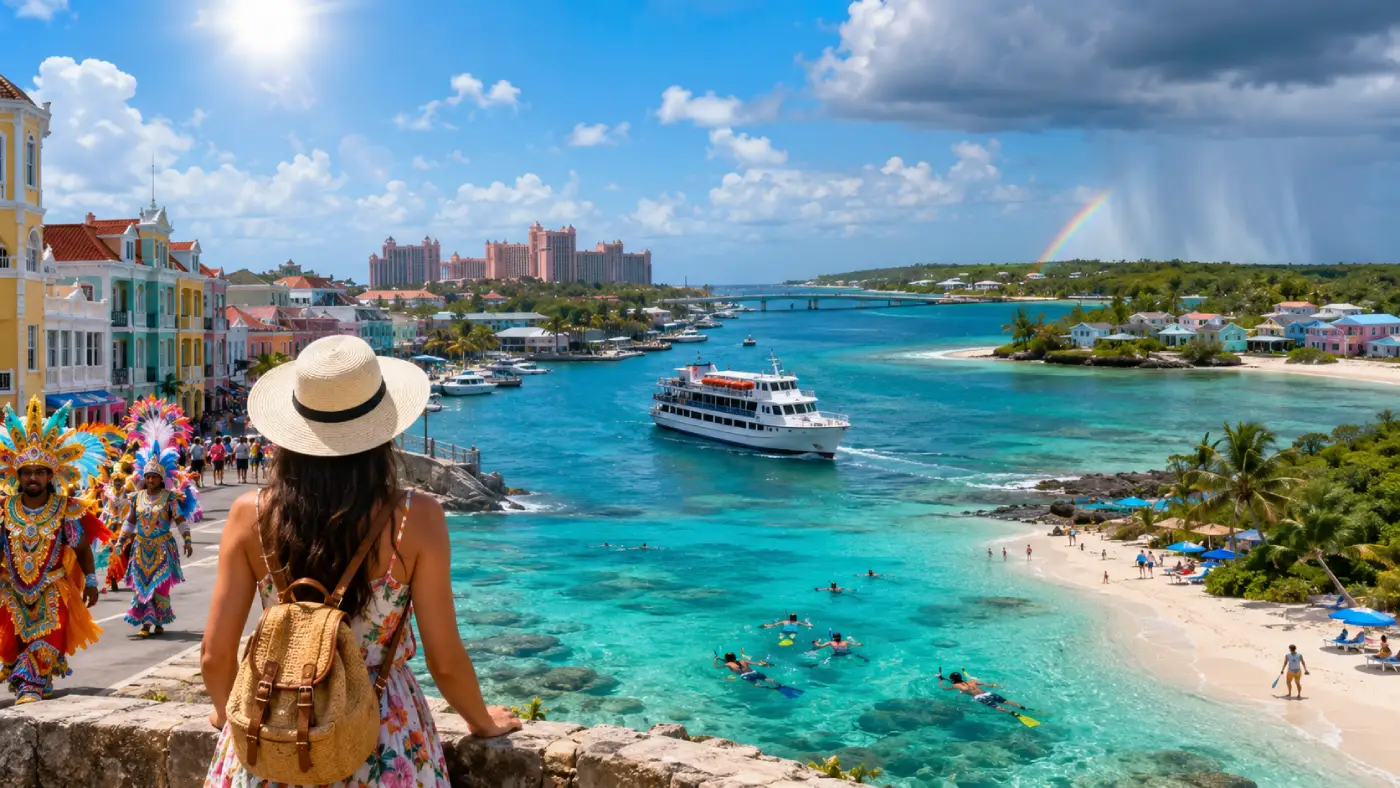

The best time to visit the Bahamas depends on what matters most to you. Late February through April is the strongest window for relatively dry, comfortably warm weather, but it also overlaps with the busiest part of the tourism season.
Late April through May offers a better balance for many travelers. The sea is warmer, the winter crowds begin to ease and the wet season has not yet reached its stormiest period. Anyone prioritizing lower demand may prefer late summer or fall, although that means accepting higher humidity, hurricane risk and possible seasonal closures on smaller islands.
The Best Time at a Glance
| Travel priority | Best period | Why it works | Main trade-off |
|---|---|---|---|
| Most dependable beach weather | Late February–April | Lower rainfall, warm days and less oppressive humidity | Higher demand, especially around holidays and spring break |
| Warm water with fewer crowds | Late April–May | Warmer sea, rising temperatures and a quieter feel | Rain and humidity begin increasing |
| Lower demand and possible savings | September–November | Quieter resorts and more availability in some areas | Hurricane risk, reduced services and possible closures |
| Warm-water activities | May–August | Warm sea temperatures and long daylight hours | Hotter, wetter and more humid conditions |
| Junkanoo and cultural atmosphere | Late December–New Year | Major parades and holiday celebrations | Busy travel dates and stronger booking pressure |
| Island hopping with less weather disruption | February–April | Drier conditions generally support more predictable plans | Popular routes and accommodation can fill earlier |
No period guarantees uninterrupted sunshine. The Bahamas stretches across hundreds of miles, so conditions may differ between Nassau, Grand Bahama, Abaco and the southern islands on the same day.
How the Seasons Work in the Bahamas
The Bahamas has two practical travel seasons rather than four sharply defined seasons:
-
Drier season: November through April
-
Wetter season: May through October
Temperatures remain warm throughout the year, but winter mornings and evenings can feel surprisingly fresh. Passing cold fronts have a greater effect on northern islands such as Grand Bahama, Bimini and Abaco.
The temperature and rainfall figures in The Bahamas’ national climate report use New Providence climate normals from 1971–2000. They describe the country’s long-term seasonal pattern rather than current conditions or a forecast for a specific trip.
Within that historical dataset, average daytime highs in New Providence rise from roughly 78°F (26°C) in January to almost 90°F (32°C) in July and August. February sea temperatures average around 74°F (23°C), compared with approximately 83°F (28°C) in August.
Those water temperatures explain why January or February can divide visitors. Swimmers accustomed to cooler seas may find the water pleasant, while travelers expecting bath-like Caribbean water may prefer late spring or summer.
Rain becomes more frequent from May. Tropical showers are often intense but short, so a rainy-season forecast does not automatically mean a full day indoors. Humidity, cloud cover and the possibility of thunderstorms are more likely to affect the experience than a single rainfall total.
Climate normals cannot tell you what will happen during a particular vacation. Check the Bahamas Department of Meteorology’s island forecasts shortly before departure and throughout an island-hopping trip.
Choosing the Best Period for Your Priorities
Best weather: late February through April
Late winter and early spring provide the most reliable combination of warm days, lower rainfall and manageable humidity. February may still bring cooler evenings or brief cold fronts, particularly in the northern Bahamas, while March and April generally feel warmer.
Demand is the main drawback. Spring break, Easter and other holiday periods can increase pressure on flights, resorts, popular beaches and excursions. Nassau and Paradise Island may feel particularly active when resort stays and cruise arrivals overlap.
Travelers who dislike crowds should check school-holiday dates and cruise schedules instead of assuming every week between February and April feels the same.
Best balance: late April through May
Late April and May sit between peak winter demand and the wetter summer months. Air and sea temperatures are warmer, while many destinations feel less crowded than during March.
May is especially appealing to travelers who want long beach days and warm swimming conditions without choosing the heart of hurricane season. Rainfall and humidity are already increasing, however, so flexible daily plans are useful.
Holiday weekends can still create short demand spikes. Comparing several dates is more reliable than treating the entire shoulder period as uniformly inexpensive.
Best chance of lower prices: September through November
Late summer and fall typically bring softer demand, creating a better chance of discounted rooms or added-value resort offers. No single month is always the cheapest, and savings vary considerably by island, property and booking date.
Weather is the compromise. September and October sit within the most sensitive part of hurricane season, while early November still carries some tropical-weather risk.
Smaller resorts, restaurants and tour businesses may also use the quiet season for holidays, maintenance or renovations. Confirm the operating dates of any place central to your trip, particularly in Abaco and other Family Islands.
Best time for warm-water activities: May through August
Snorkeling, swimming and diving become more appealing to warmth-seeking visitors as sea temperatures rise. Longer daylight hours also create more room for boat trips and outdoor activities.
Summer conditions feel hotter and more humid, with a greater likelihood of showers and thunderstorms. Boat plans still depend on local wind, waves and visibility; warm water alone does not guarantee favorable marine conditions.
Best time for culture: late December and New Year
Junkanoo transforms the holiday period into of the most distinctive times to visit. The largest celebration takes place in Nassau, although other islands hold their own events.
Major parades traditionally occur on Boxing Day and New Year’s Day. The official Bahamas Junkanoo guide also notes smaller celebrations during summer and around national holidays.
Holiday travel requires early planning. Accommodation and transportation demand can rise sharply, and parade arrangements may affect movement through central Nassau.
Hurricane Season Does Not Carry Equal Risk Every Month
Atlantic hurricane season officially runs from June 1 through November 30. That six-month label can be misleading because the risk is not evenly distributed.
August, September and early October have traditionally been the most active period for serious tropical-weather disruption, according to hurricane preparedness guidance for the Bahamas. June or November can still produce storms, but visiting during those months does not carry exactly the same historical risk as a September trip.
Storm effects also extend beyond the island nearest the center. Flights, ferries, power, tours and supply deliveries may be interrupted even when a property avoids major damage.
Consider these safeguards when traveling between June and November:
-
Choose refundable or changeable flights and accommodation where practical.
-
Read the named-storm terms in your travel insurance policy.
-
Avoid building a tight same-day connection between separate islands and an international flight.
-
Monitor official forecasts rather than social-media weather maps.
-
Ask your hotel how it communicates evacuation or shelter instructions.
-
Keep essential medication and travel documents accessible.
General crime precautions, emergency planning and destination-specific risks are covered separately in our Bahamas safety guide.
Hurricane season should not automatically rule out a trip, but September or October is a poor choice for anyone who needs predictable weather, fixed island transfers or a non-refundable event itinerary.
Weather Changes Across the Islands
Nassau weather tables are useful, but they do not represent the entire country. The Bahamas extends roughly 550 miles from Grand Bahama in the northwest to Inagua in the southeast.
National climate reporting indicates that northern islands receive at least 20% more rainfall than New Providence, while southern islands receive roughly half as much. That difference should influence both destination choice and expectations.
Grand Bahama, Bimini and Abaco
Northern islands are more exposed to winter cold fronts moving from North America. January and February can therefore bring cooler, breezier spells even when the wider forecast looks sunny.
These islands also receive more rainfall over the year than Nassau. Late summer and fall closures deserve extra attention in Abaco, where smaller tourism businesses may pause operations during the slow season.
Nassau and Paradise Island
New Providence provides the reference point for many Bahamas weather averages. Its larger concentration of resorts, restaurants and excursions makes seasonal planning comparatively straightforward, although cruise traffic and major events can noticeably change crowd levels.
Short visits centered on Nassau are easier to adapt around a wet afternoon than itineraries involving multiple small airports or ferry connections.
Central and southern islands
Eleuthera, the Exumas, Long Island, Crooked Island, Acklins, Mayaguana and Inagua cover a wide area rather than identical climate zone. Southern islands are generally drier, but their more limited transport schedules can make weather disruptions harder to absorb.
Check the forecast and operating calendar for the exact island instead of using Nassau conditions as a substitute.
The Bahamas Through the Year
| Period | What changes |
|---|---|
| January–February | Cooler evenings and passing northern cold fronts matter more; winter sea temperatures may divide swimmers. |
| March–April | Days become warmer while spring break and Easter can create short crowd peaks. |
| May–June | Sea temperatures rise, humidity builds and afternoon showers become more frequent; hurricane season starts in June. |
| July–August | Water is very warm, nights are hotter and tropical-weather monitoring becomes increasingly important. |
| September–October | Storm exposure and operational uncertainty are highest; verify smaller hotels, restaurants and excursions before booking. |
| November–December | Conditions gradually turn drier and cooler; holiday demand and Junkanoo reshape late December. |
A Practical Reality Check
Swimming comfort is personal. Recent traveler discussions commonly split on winter water: some visitors find January and February pleasant, while warmth-seeking swimmers consider the same conditions too cool. The historical sea-temperature data supports the underlying difference in perception, but neither reaction represents every visitor.
Fall closures require a different kind of evidence. A locally compiled Abaco fall 2026 closure list documented businesses taking seasonal breaks or reducing their hours. That list is a dated example from island, not a permanent schedule for Abaco or proof that the same businesses will close in future years.
Use it as a reminder to contact the hotel, restaurant or excursion company central to your plans. A quiet island can feel wonderfully uncrowded or inconveniently limited depending on what remains open.
Before You Book
Match the booking strategy to the season rather than relying on universal rule:
-
February–April: Reserve popular resorts, boat tours and inter-island flights earlier.
-
May–June: Build some flexibility into outdoor plans and compare dates around holiday weekends.
-
July–November: Prioritize flexible reservations and understand insurance exclusions.
-
September–October: Verify seasonal opening dates directly with smaller businesses.
-
Late December: Check Junkanoo schedules and book central Nassau stays well ahead.
-
Island-hopping trips: Leave recovery time before the international flight home.
Reliable mobile access can also help with changing forecasts, flight notices and ferry updates. Review mobile data options for the Bahamas before departure if you need connectivity away from hotel Wi-Fi.
Late February through April remains the safest recommendation for a first Bahamas trip centered on beach weather. Late April and May are stronger for warm-water travelers seeking a better balance, while fall suits flexible visitors who value quiet conditions enough to accept greater weather and closure risks.