Download the App and manage your eSIMs easily
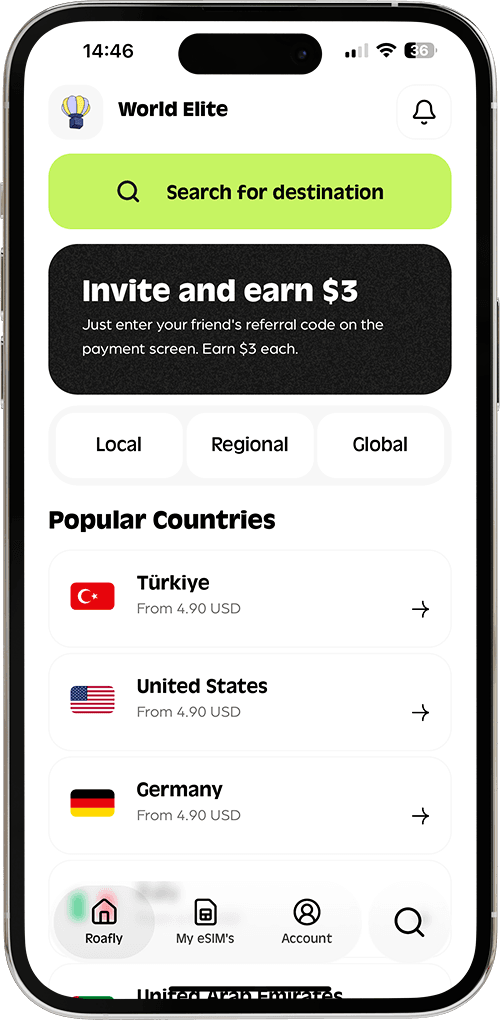
Create your order quickly
See your eSIM details
Track your remaining data
Download the App and manage your eSIMs easily
Create your order quickly
See your eSIM details
Track your remaining data
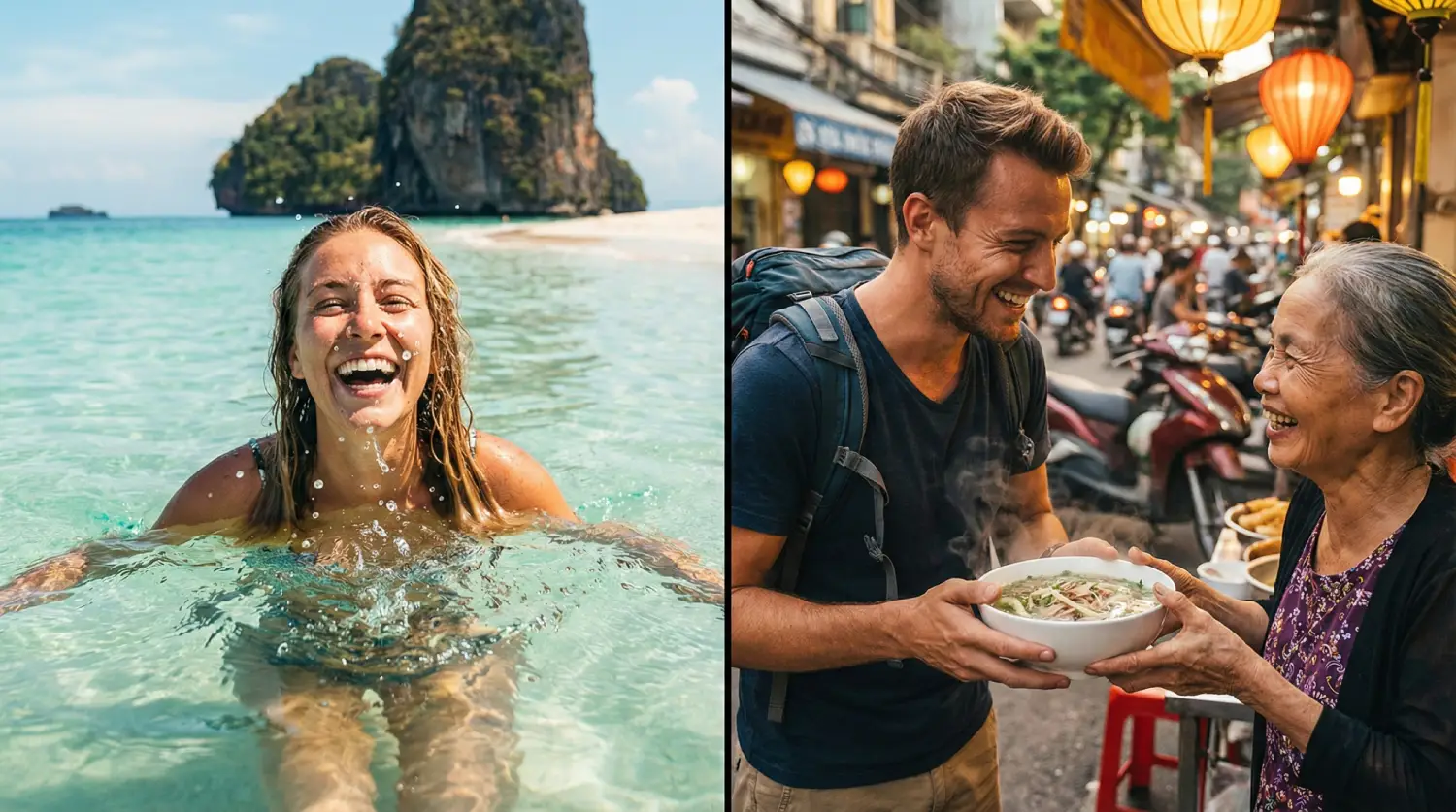
It is the eternal debate for backpackers, honeymooners, and digital nomads alike. You have two weeks in Southeast Asia. Do you choose the polished, turquoise paradise of Thailand, or the raw, energetic, cultural powerhouse of Vietnam?
TrueMove H, DTAC
Instant delivery
From 3.90 USD

Sophie Callahan
Updated Jan 14, 2026
9 min read
Jump to section
👇Best for most trips
TrueMove H, DTAC
Thailand
10 GB · 30 days
Enough for maps, bookings and everyday travel.
Hotspot supported
$10.00
From 3.90 USD
Ten years ago, the answer was almost always Thailand. But in 2026, the tables are turning. Vietnam has exploded in popularity, offering a grittier, cheaper, and arguably more "authentic" adventure.
However, picking the wrong one for your travel style can be a disaster.
If you hate chaos, Vietnam might break you. If you are on a strict budget, Thailand’s inflation might shock you. And depending on when you plan to visit in 2026, there are major logistical differences—like local festivals and weather patterns—that you need to know before booking.
We scoured the forums, analyzed the latest prices, and compared the vibe, safety, and connectivity to bring you the honest truth.
The biggest difference isn't the price; it's the energy.
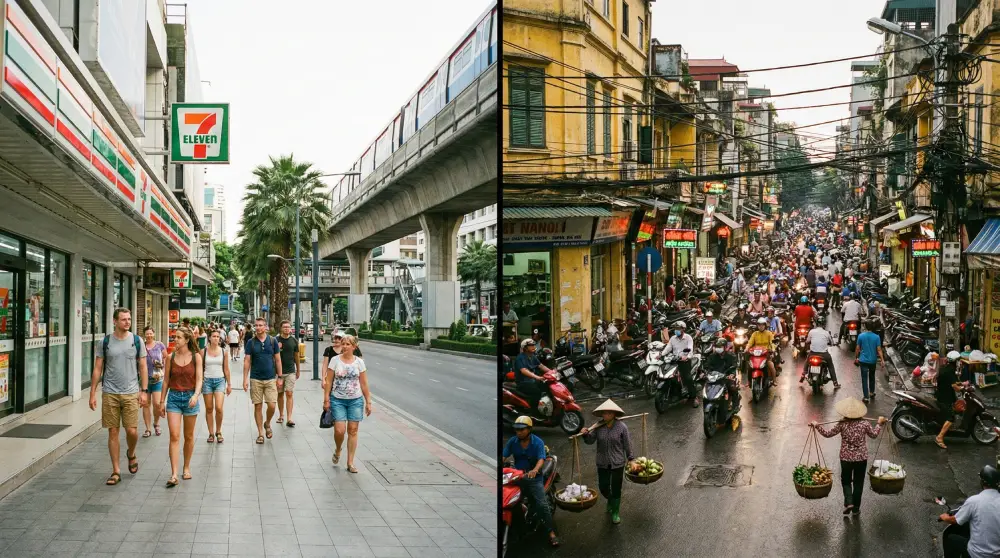
Thailand is the most tourist-friendly country in Southeast Asia. It is a well-oiled machine.
The Experience: Everything is easy. Buses run on time (mostly), English is spoken widely, and 7-Elevens are sanctuaries of air-conditioning on every corner.
The Crowd: It attracts everyone from 19-year-old backpackers to luxury travelers.
The Downside: It can feel "transactional." In tourist hubs like Phuket or Pattaya, the "smiles" can sometimes feel like they are just for your wallet.
Vietnam is visceral. It hits you in the face with noise, smells, and life.
The Experience: Crossing the street in Hanoi is an extreme sport (Insider Tip: Just keep walking at a steady pace; the motorbikes will flow around you like water. Do not stop!). The sidewalks are often parking lots for scooters, forcing you to walk on the road.
The Authenticity: The locals are direct, proud, and incredibly resilient. The interaction feels less like "service" and more like "connection."
The Coffee Culture: While Thailand runs on Red Bull and Chang beer, Vietnam runs on high-octane Robusta coffee with condensed milk (Ca Phe Sua Da). Sitting on a tiny plastic stool watching the chaos is a national pastime.
If you are planning your trip for early 2026, stop and read this. This is the single most important factor for your decision.
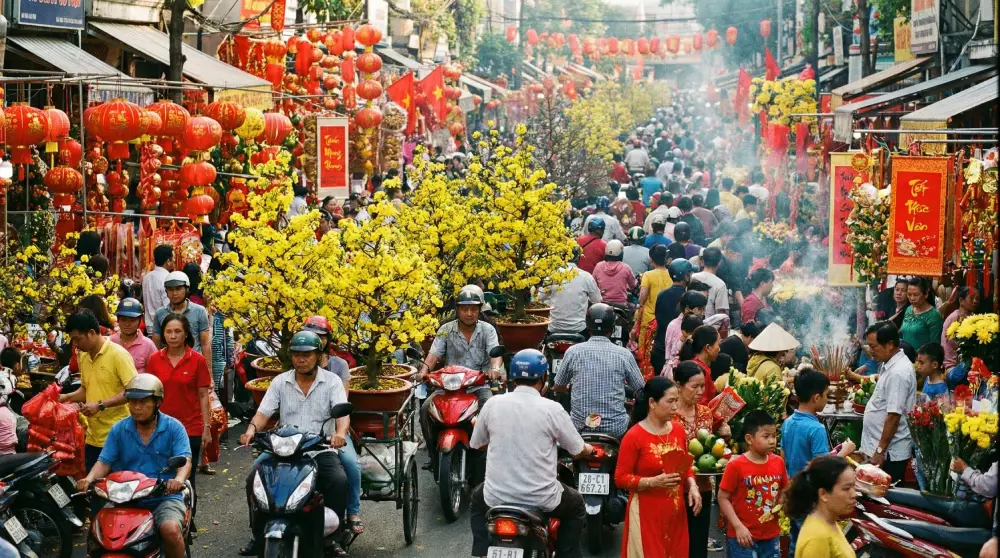
Vietnam celebrates the Lunar New Year (Tet Nguyen Dan).
The Reality: For about 7-10 days (usually late Jan or early Feb), the entire country shuts down. Museums close. Restaurants close.
The Cost: Domestic flights and trains sell out months in advance, and prices triple.
The Verdict: Unless you have a local family to stay with, avoid Vietnam during Tet. It is a logistical nightmare for tourists.
Thailand does not celebrate the Lunar New Year (they celebrate Songkran in April). In January and February, Thailand is fully open, buzzing, and the weather is perfect.
How do you want to spend your nights?

Thailand is world-famous for its nightlife.
Full Moon Party: If you want to dance on a beach with 20,000 people covered in neon paint, Koh Phangan is the place. It is a rite of passage. Planning to go? Read our essential Full Moon Party Thailand Guide to survive the night.
The Alcohol Laws: Historically, Thailand had a confusing law banning alcohol sales between 2 PM and 5 PM. However, in a major move to boost tourism, Thailand Lifts Afternoon Alcohol Ban in key tourist zones, making day drinking much easier in 2026.
Vietnam’s nightlife is more street-focused.
Bia Hoi: This is "fresh beer" brewed daily, served on street corners for as little as $0.20 cents a glass. It’s light, watery, and incredibly social.
The Vibe: Nightlife in Ho Chi Minh City (Bui Vien Street) is chaotic and loud, but in general, Vietnam is less about "clubbing" and more about "street hanging."
This is a clash of titans. Both cuisines are top-tier, but they are very different.
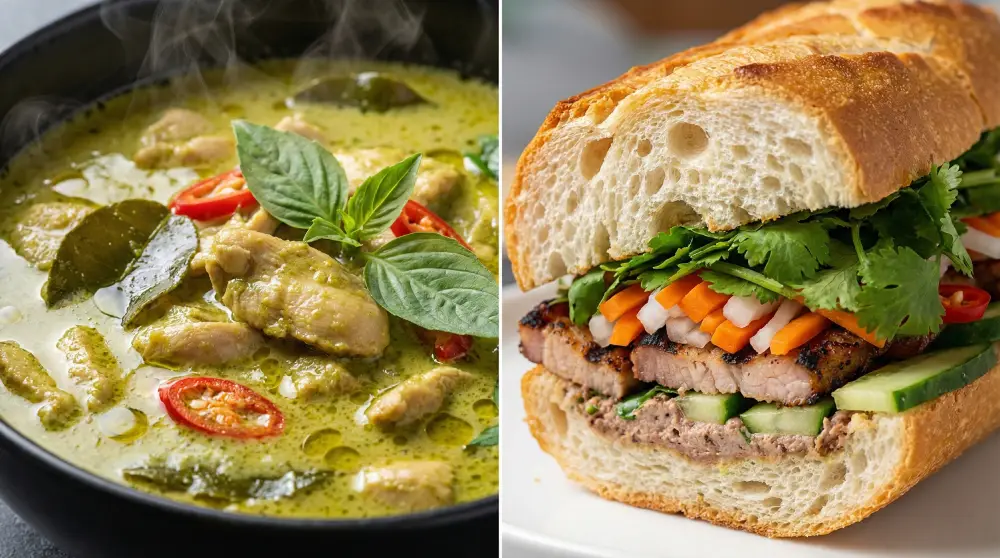
Thai food is aggressive. It punches you with four flavors at once: Spicy, Sour, Salty, and Sweet.
The Icons: Pad Thai, Tom Yum Goong (Spicy Shrimp Soup), and Green Curry.
The Spice: If you ask for "spicy" in Thailand, be prepared to cry.
Convenience: The street food scene is legendary, but even the 7-Eleven toasties have a cult following among travelers.
Vietnamese food is arguably healthier and lighter. It relies on fresh herbs (mint, cilantro, basil) and clear broths.
The Icons: Pho (Noodle soup), Banh Mi (The world's best sandwich, thanks to French influence), and Bun Cha (Grilled pork with noodles).
The Difference: It is rarely spicy by default. You add the chili yourself. It’s complex but subtle.
Both countries are safe from violent crime, but your wallet is a target for other things.

The Scams: Thailand has some polished scams. The most famous is the "Grand Palace is Closed" scam, where a friendly local tells you the palace is closed today and offers a Tuk-Tuk tour to a gem shop instead.
Transport: Taxis often refuse to use meters. Understanding how to navigate transport is key. We broke down the biggest traps in our guide: Is Thailand Safe? Scams, Taxis & Transport Guide (2026).
The Money: The Vietnamese Dong (VND) has huge denominations (1 USD ≈ 25,000 VND). It is very easy to confuse a 500,000 note with a 20,000 note. Scammers rely on this.
The "Shoe Shine": In Hanoi, someone might point at your shoes and start cleaning them without asking, then demand money. Just keep walking.
You need maps, translation apps, and Grab (Asian Uber) to survive. How is the internet?

Thailand has some of the fastest mobile internet speeds in the world. 5G is available even on remote islands. It is a digital nomad paradise.
The Tip: Don't pay expensive roaming fees. You can easily get connected instantly. Check out our guide on How to Get Internet in Thailand (2026) for the best options.
The Product: Need instant data? Grab a Thailand eSIM and connect the moment you land in Suvarnabhumi Airport.
Wi-Fi is everywhere (every cafe has it), but mobile data is crucial for navigation.
The Issue: Vietnam sometimes restricts access to certain social media sites or throttles speeds during sensitive times. Also, if you are doing the famous Ha Giang Loop (motorbike trip in the north), Wi-Fi is non-existent in the mountains.
The Solution: You need a reliable carrier. We compared the options in our deep dive: [How to Get Internet in Vietnam: Airport SIM Cards, eSIMs & Data Options].
The Product: Don't risk being offline in the mountains. Install a Vietnam eSIM before you fly.
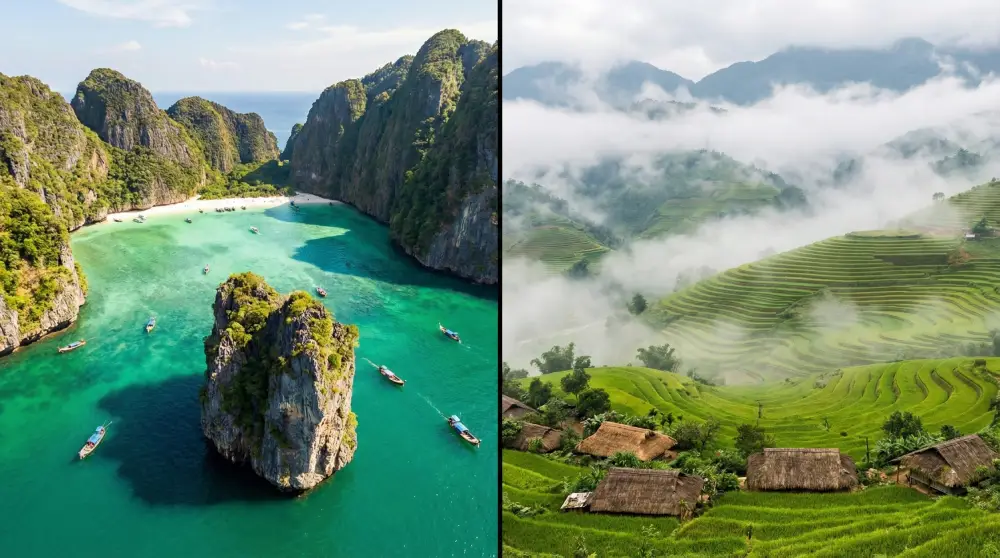
If your dream is white sand, turquoise water, and limestone cliffs, Thailand wins.
The Spots: Krabi, Koh Phi Phi, and the Andaman Coast are postcard-perfect. Even though Maya Bay is crowded, it is stunning.
The Diving: Koh Tao offers some of the cheapest and best scuba diving certifications in the world.
Vietnam has beaches (Da Nang, Phu Quoc), but they don't compare to Thailand. Vietnam's strength is dramatic scenery.
The Spots:
Halong Bay: Thousands of limestone karsts rising from the emerald water.
Sapa: Misty rice terraces carved into massive mountains.
Phong Nha: Home to the world's largest caves.
Do not assume Southeast Asia is always hot and sunny. Both countries have complex climates that can ruin your beach days if you time it wrong.

Thailand has a trick up its sleeve. It has two coastlines with different rainy seasons.
West Coast (Phuket, Krabi): Best from November to April. It gets very rainy from May to October.
East Coast (Koh Samui, Koh Phangan): Best from January to August. If you are traveling in July/August (summer holidays), pick this side to avoid rain.
The "Burning Season" Warning: Avoid Northern Thailand (Chiang Mai) from February to April. Farmers burn fields, and the air quality becomes hazardous.
Vietnam is a long, thin country, meaning it has three distinct climates at the same time.
The North (Hanoi, Halong Bay): It actually gets cold here! In Dec-Feb, temperatures can drop to 10°C with misty drizzle. Pack a jacket.
The Center (Hoi An, Da Nang): Avoid October and November. This is typhoon season, and floods are common.
The South (Ho Chi Minh City): It is always hot. The dry season is December to April, making it the perfect winter escape.
The Sweet Spot for Both: If you want to visit both countries in one trip with perfect weather, aim for January or February. Just remember our warning about the "Tet" crowds in Vietnam!
If it’s your first time in Asia, go to Thailand. It is easier, the infrastructure is better, and the beaches are superior. It is a "holiday" in the truest sense.
Planning Tip: While the infrastructure is great, getting a SIM card at the busy airport can still be a hassle. To skip the queues, check our guide on the Best eSIM for Thailand.
If you want culture, coffee, epic motorbike road trips, and cheaper prices, go to Vietnam. It feels more rewarding because it challenges you a bit more.
Don't forget: Check the dates for Tet before you book!
Can't Decide? Do Both! They are only a 90-minute flight apart. Many travelers combine them into one epic trip. If you do, save yourself the hassle of swapping plastic SIM cards. Get a Roafly Asia Regional eSIM and stay connected in both countries (plus Cambodia and Laos!) with a single plan.
Best for most trips
TrueMove H, DTAC
Thailand
10 GB · 30 days
Enough for maps, bookings and everyday travel.
Hotspot supported
$10.00
From 3.90 USD
Choose the perfect data plan for your trip

Manage your eSIM in the app
Install, top up and track data.
Choose the perfect data plan for your trip
Manage your eSIM in the app
Install, top up and track data.

