

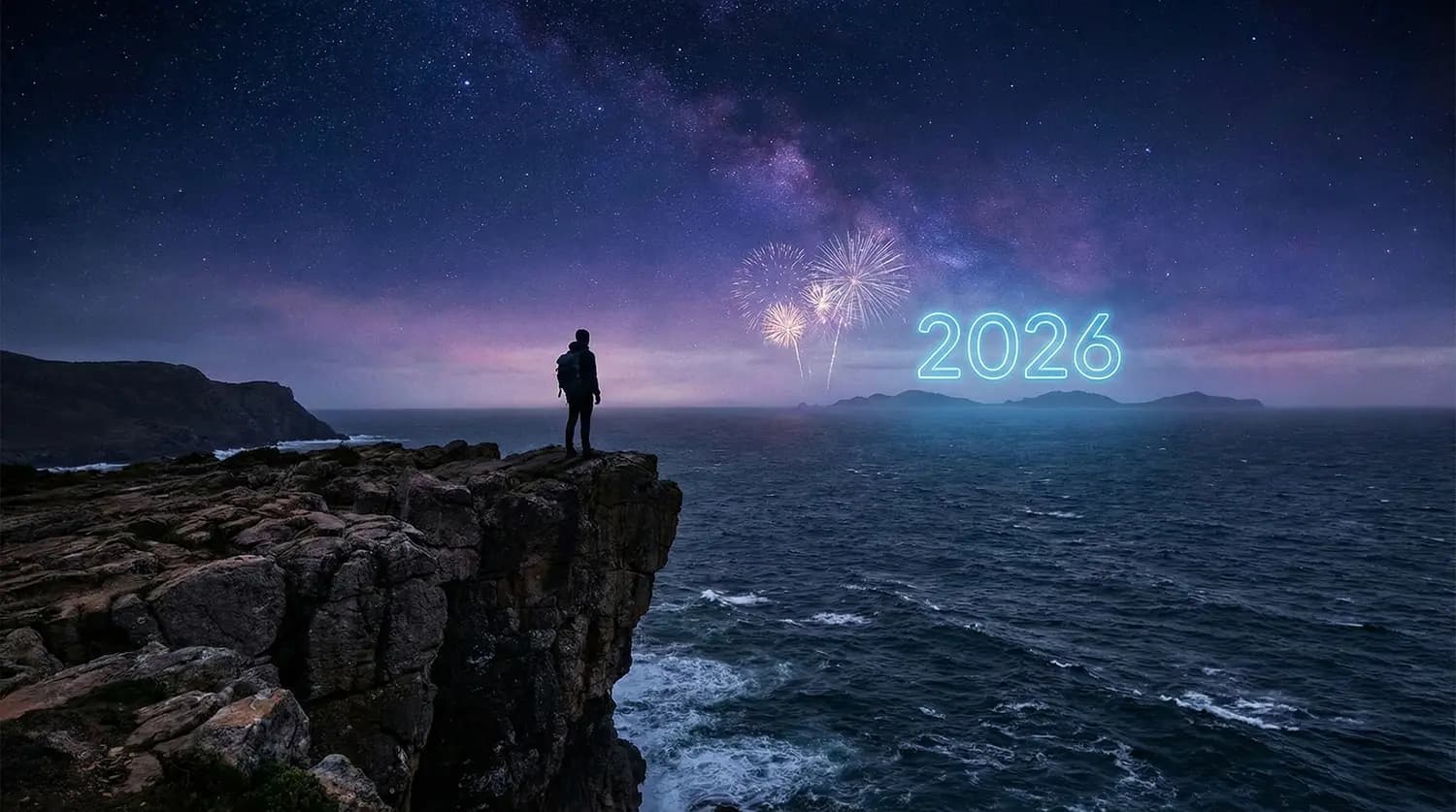

Because of global time zones and the position of the International Date Line, the new year reaches different parts of the world at dramatically different times. The very last places to enter 2026 are scattered across the central Pacific, far from major cities and global celebrations.
This guide looks at the last countries and territories to enter 2026, what New Year’s Eve feels like there, and which destinations are realistic for travelers.
Why some places enter the new year last
The latest official time zone on Earth is UTC-12. Locations using this offset remain in December 31 longer than anywhere else in the world.
These areas sit just east of the International Date Line. While the rest of the world moves forward into the new year, these places experience New Year’s Eve as of the final moments on the global clock.
Because of their remoteness and small populations, the “last New Year” is rarely shown in global media, but it offers a unique perspective on the end of the year.
The last places to enter 2026
The countries and territories below are the final inhabited places to reach January 1, 2026.
| Order | Location | Country / Territory | Time Zone |
|---|---|---|---|
| 1 | Baker Island | United States (uninhabited) | UTC-12 |
| 2 | Howland Island | United States (uninhabited) | UTC-12 |
| 3 | Pago Pago | American Samoa | UTC-11 |
| 4 | Niue | Niue | UTC-11 |
| 5 | Midway Atoll | United States | UTC-11 |
| 6 | Hawaii | United States | UTC-10 |
While Baker and Howland Islands are technically last on the clock, they are uninhabited. For travelers, the meaningful “last New Year” celebrations happen in American Samoa, Niue, and Hawaii.
While this list focuses on the last places to enter 2026, the new year begins much earlier on the opposite side of the world. Some destinations in the Pacific reach January 1 almost a full day ahead of others. You can also explore which countries enter 2026 first to see how the global countdown unfolds from start to finish.
American Samoa: of the final countdowns on Earth
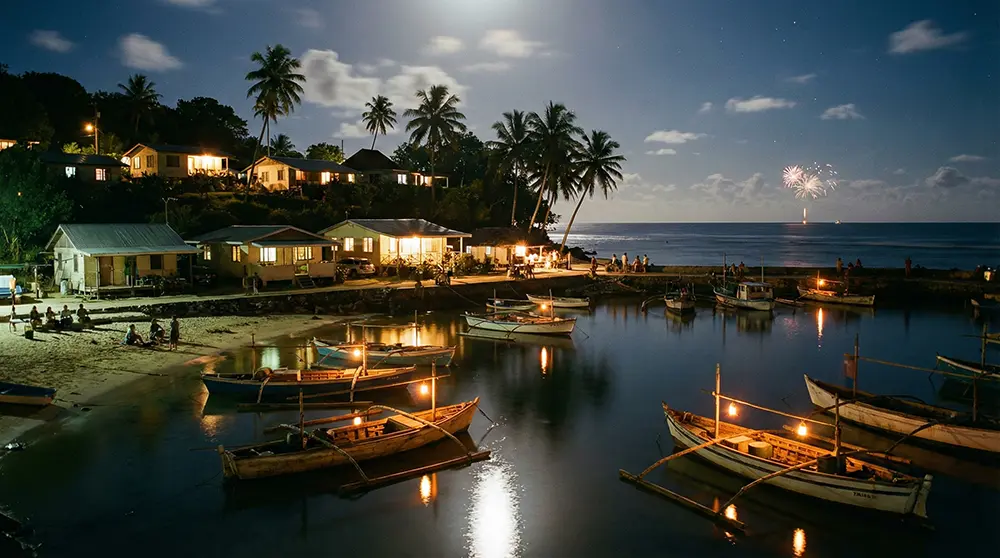
American Samoa is among the last inhabited places to enter the new year. Its capital, Pago Pago, experiences New Year’s Eve long after most of the world has moved on.
Celebrations here are low-key and local. Rather than large public fireworks, the night is shaped by family gatherings, church services, and community events. The atmosphere feels reflective rather than hectic.
For travelers who enjoy quiet destinations and cultural experiences, American Samoa offers a rare chance to experience New Year’s Eve without crowds or commercialization.
Because of its remote location, travelers usually prepare logistics in advance, especially for late-night arrivals and transportation.
Niue: the quietest end to the year
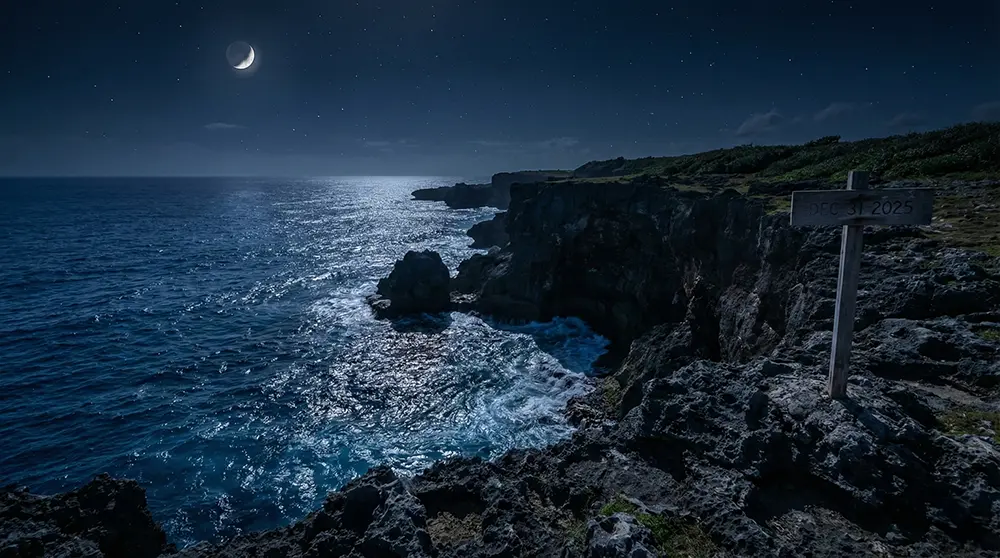
Niue is a small island nation in the South Pacific and of the last countries to welcome 2026. New Year’s Eve here is calm, understated, and deeply local.
There are no massive countdown events. Instead, the night is shaped by small gatherings, ocean views, and a sense of isolation that makes the moment feel personal.
Niue is ideal for travelers who want to disconnect, avoid noise, and mark the end of the year in a peaceful setting. Planning ahead is essential, as services and accommodation options are limited.
Hawaii: the last major destination to enter 2026
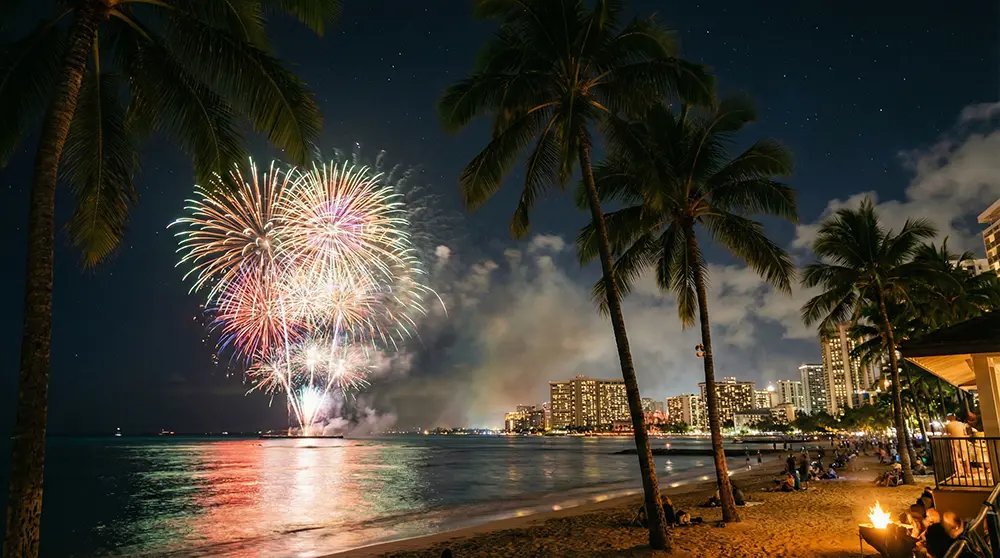
Hawaii is not the very last place on the clock, but it is the last widely visited destination to enter the new year.
Cities like Honolulu offer a more familiar New Year’s experience, with fireworks, beach gatherings, and organized events. At the same time, Hawaii still enters 2026 hours after most of the world, making it a symbolic “final chapter” to December 31.
Because of its accessibility and infrastructure, Hawaii is the easiest option for travelers who want to experience of the last New Year countdowns without dealing with extreme remoteness.
Need data in Hawaii? Get an eSIM!
Choose the perfect data plan for your trip

Manage your eSIM in the app
Install, top up and track data.
For visitors moving between islands or arriving late on New Year’s Eve, having mobile connectivity set up before landing can make the night smoother. Travelers who continue their journey beyond Hawaii often prefer using a United States eSIM that works across multiple states without needing to switch plans.
Is it worth traveling to be last?
Being among the last places to enter the new year offers a different kind of experience. Instead of excitement and spectacle, the focus shifts to reflection, calm, and closure.
Traveling for the “last New Year” makes sense if you:
-
Prefer quiet celebrations
-
Want to avoid crowds
-
Value atmosphere over events
-
Enjoy remote or island destinations
For travelers seeking fireworks, concerts, and large public countdowns, these destinations may feel too subdued.
Practical travel considerations
New Year’s Eve remains of the busiest travel periods worldwide, even in remote regions. Flights, accommodation, and local transport often require early planning.
Most travelers prepare for:
-
Limited late-night transport
-
Reduced services on January 1
-
Basic connectivity for maps and bookings
Roafly supports over 200 destinations and allows installation before travel, which helps avoid delays when arriving during the holiday period.
Final thoughts
While the world celebrates the beginning of 2026 in waves, a small part of the planet holds December 31 until the very end. Experiencing the final New Year countdown offers a slower, quieter way to close the year.
Check the latest eSIM packages before your trip to stay connected while welcoming the last moments of 2025.