Download the App and manage your eSIMs easily
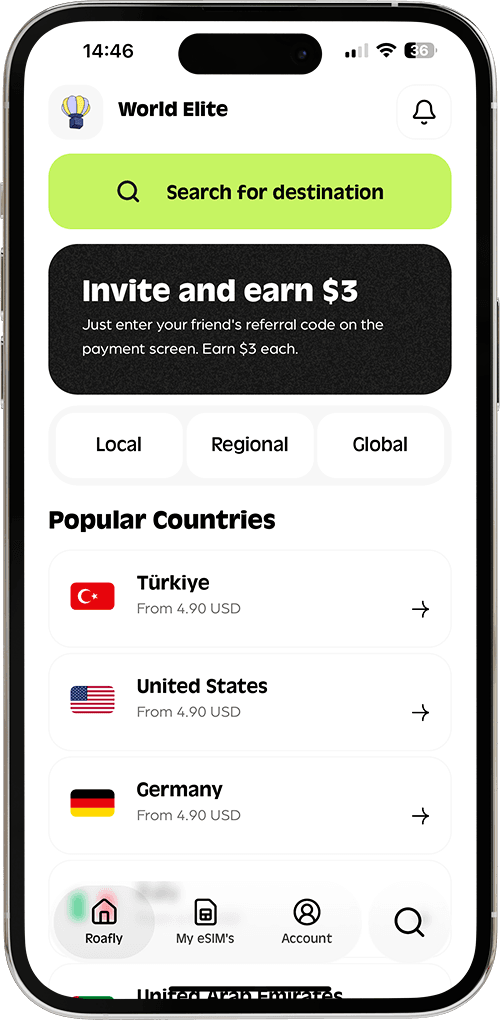
Create your order quickly
See your eSIM details
Track your remaining data
Download the App and manage your eSIMs easily
Create your order quickly
See your eSIM details
Track your remaining data
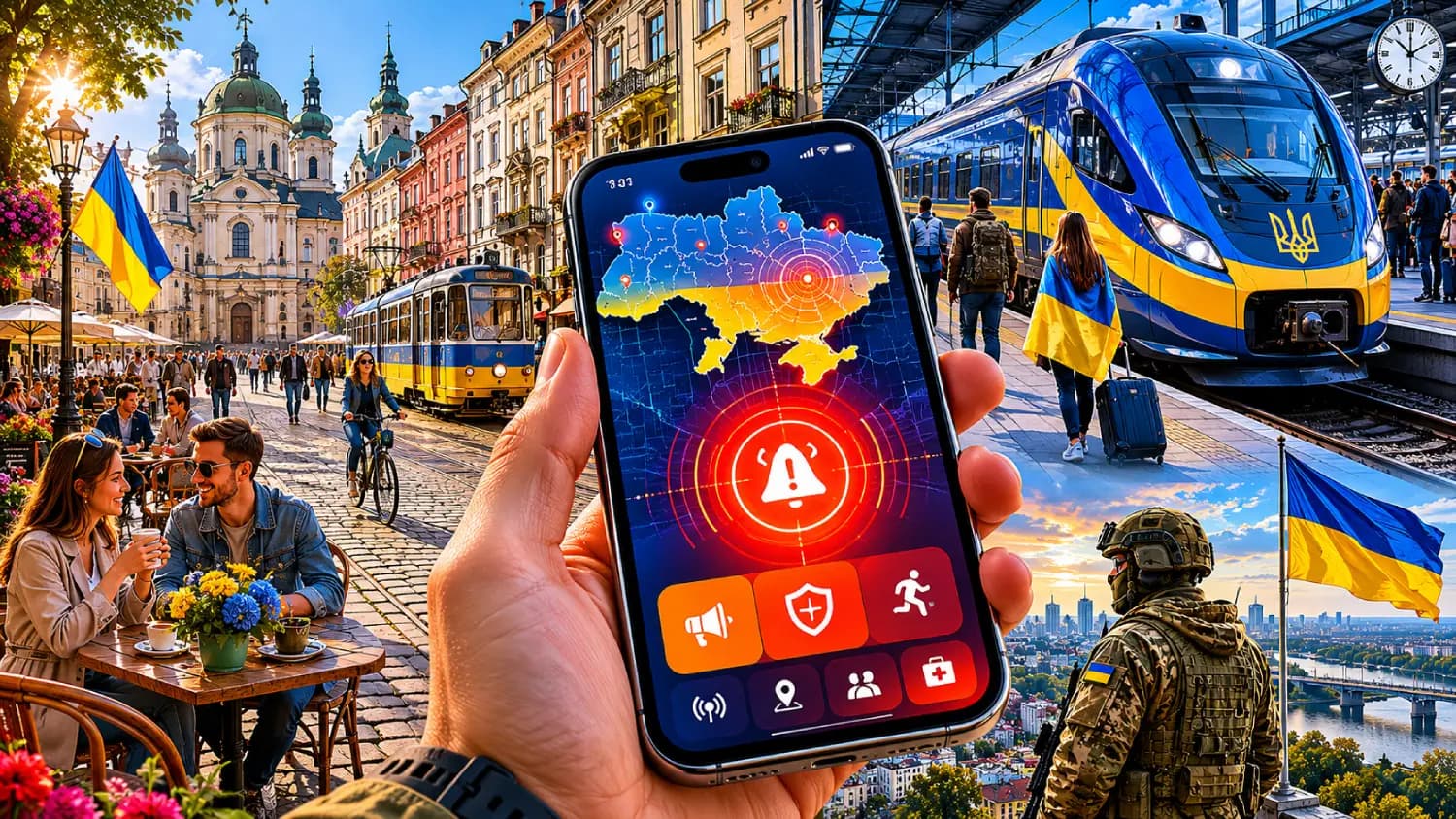
The stunning, cobblestone streets of historic European centers like Lviv present a striking contrast to the harsh geopolitical reality on the ground today. While images of bustling cafes and open museums circulate online, traveling here requires navigating an active war zone under martial law. Visiting this nation in 2026 demands complete awareness of military threats, strict local laws, and emergency protocols.
Vodafone, Kyivstar, lifecell
Instant delivery
From 3.90 USD

Lena Hartley
Updated May 23, 2026
9 min read
Jump to section
👇Best for most trips
Vodafone, Kyivstar, lifecell
Ukraine
10 GB · 30 days
Enough for maps, bookings and everyday travel.
Hotspot supported
$14.00
From 3.90 USD
The short answer is no, Ukraine is not considered a safe country for standard leisure tourism. However, foreigners do continue to cross the border for journalism, humanitarian aid, volunteer work, business, or visiting family. While everyday life continues dynamically in major hubs away from the frontlines, the entire country remains vulnerable to unpredictable long-range threats.
The overarching safety factor is the ongoing full-scale military conflict. The country operates under strict martial law, which grants the military and police broad powers to conduct identity checks, vehicle inspections, and enforce safety regulations.
Understanding the legal landscape is non-negotiable for anyone entering. You must be fully aware of the strict protocols detailed in our guide on Ukraine Tourist Bans & Laws to avoid severe legal penalties. Curfews are strictly enforced by military patrols across every single region, though the specific hours vary by city. Missing curfew can result in detention, so you must plan your movements to ensure you are indoors before the designated hour strikes.
Political demonstrations and large public gatherings should be entirely avoided. While civil unrest targeting tourists is practically non-existent, crowds present an unnecessary security risk under current wartime conditions. Police presence is exceptionally heavy, and compliance with military orders must be immediate, calm, and respectful.
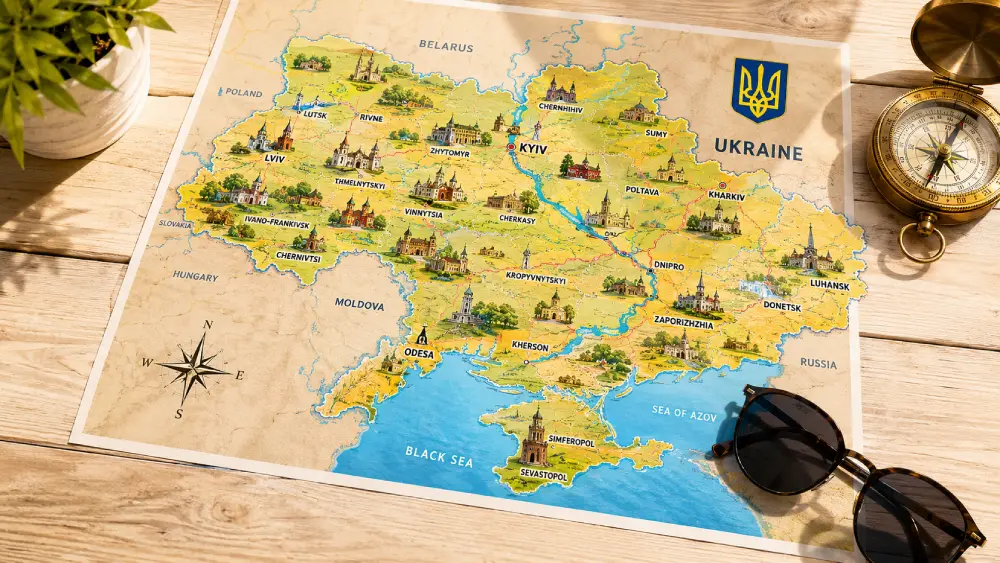
Safety in this country is entirely dependent on geography. The territory is sharply divided between active combat zones and regions protected by advanced air defense networks.
The Eastern and Southern Frontlines: Regions such as Donetsk, Luhansk, Zaporizhzhia, and Kherson are active war zones facing daily artillery fire, drone strikes, and heavy ground combat.
Border Regions with Russia and Belarus: These zones face constant cross-border shelling, missile incursions, and intense military surveillance.
The Black Sea Coast: Areas around Odesa experience targeted long-range drone and missile attacks focusing on maritime and port infrastructure.
Lviv and Western Ukraine: Cities like Lviv, Ivano-Frankivsk, and Uzhhorod are geographically the furthest from the frontlines. They have become major hubs for displaced persons and international organizations, though they still face occasional long-range drone or missile threats.
Kyiv: The capital city is protected by highly sophisticated air defense systems, allowing businesses, hotels, and restaurants to operate. However, it remains a primary strategic target, and air raid sirens sound frequently.

The most critical factor for transportation is that commercial airspace remains entirely closed. You cannot fly into the country; all arrivals must navigate land borders via train or automobile from neighboring European nations.
Land Border Entry -> Passport Control -> Customs Clearance -> Train/Vehicle Transit
If you are planning an entry, you must strictly follow the legal limits for bringing items across the border, which are thoroughly broken down in our comprehensive checklist on Ukraine Airport Customs Rules.
Trains: The national rail network (Ukrzaliznytsia) is the most reliable, safest, and most popular way to travel between major cities. Trains generally run on schedule despite wartime disruptions, and tracks are highly prioritized for security.
Ridesharing (Uber & Bolt): Uber and Bolt operate efficiently within major urban centers like Kyiv and Lviv. They are highly recommended over hailing random street taxis, as the apps track your route via GPS and pre-calculate fares.
Public Buses: While functional, intercity buses are less comfortable and face longer delays at military checkpoints along major highways compared to trains.
Driving at Night: This is highly dangerous and largely illegal due to curfew restrictions. Driving past curfew hours will result in being stopped at military checkpoints, potential vehicle impoundment, or detention.
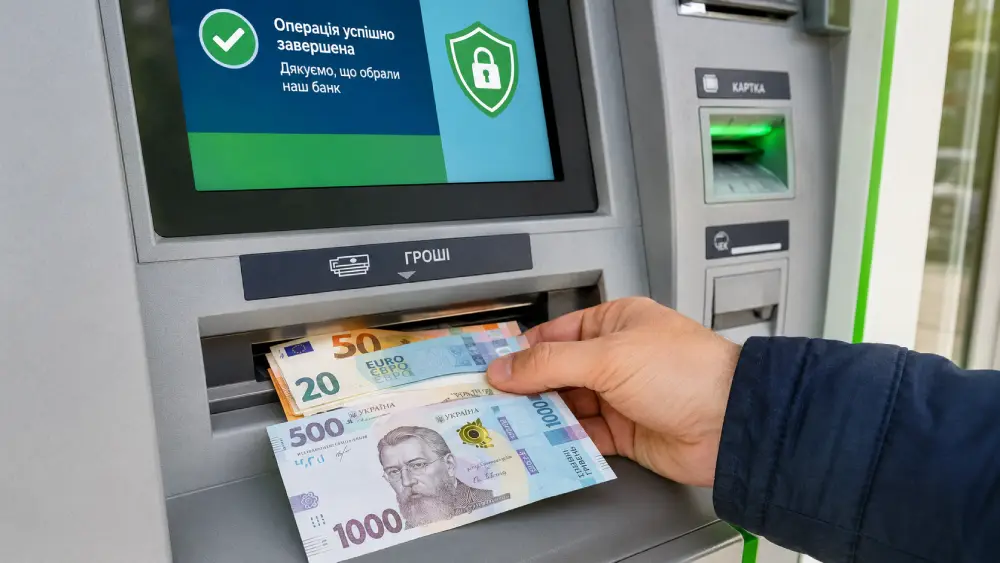
Traditional opportunistic pickpocketing occurs around major transit hubs, but the real threats to your wallet have evolved into specific financial traps and wartime opportunism.
Fake Humanitarian and Charity Scams: Fraudsters frequently approach foreigners in major city centers or via digital platforms soliciting cash donations for frontline units, orphanages, or animal shelters. Never hand over cash on the street; only donate through verified, internationally recognized organizations.
The "Currency Exchange" Sleight of Hand: Shady, unauthorized exchange booths or street brokers may offer tempting, inflated black-market rates. They often utilize fast-fingered counting techniques to shortchange you or slip you obsolete banknotes. Only use official bank branches or clearly marked, licensed exchange kiosks.
Overcharging at Wartime Establishments: Some unregulated taxi drivers operating outside train stations or high-end lounge bars may deliberately inflate prices by a factor of ten once they hear an English accent. Always confirm fares upfront or stick exclusively to app-based transit.
ATM Skimming at Night: Due to curfews, ATMs located in dark, unmonitored alcoves can be targets for skimming devices. Stick to machines located securely inside well-lit, operating bank lobbies during daylight hours.
Solo female travelers will find that street crime, assault, and overt harassment are statistically low in stabilized urban centers compared to many Western European capitals. The societal focus is heavily unified around the defense effort, resulting in highly disciplined streets.
However, solo travelers face distinct psychological and logistical challenges. The constant threat of air raid alerts requires absolute mental resilience. Navigating to a bomb shelter alone in the middle of the night can be incredibly stressful.
Catcalling and aggressive pickup behaviors are uncommon in public spaces during the day. However, nightlife is muted due to curfew laws, and solo travelers should avoid walking back to accommodation alone as the curfew deadline approaches and streets rapidly empty. Dress codes are thoroughly modern and Western, though modest attire (covering shoulders and knees) is strictly required if you choose to step inside active Orthodox churches or historical monasteries.
The main threat to health in 2026 is the systemic strain placed on civilian infrastructure by targeted missile strikes on the power grid.
Critical Alert: Massive energy blackouts can occur instantly. When the electrical grid drops, water filtration plants, heating systems, cellular towers, and elevators can fail simultaneously.
Tap Water: Do not drink unboiled tap water. Infrastructure damage and fluctuating water pressure can introduce contaminants into city piping. Stick strictly to sealed, bottled water for drinking and brushing your teeth.
Medical Access: While emergency medical services remain highly capable, public hospitals are heavily prioritized for military casualties. Access to specialized trauma care or specific Western pharmaceuticals can be severely delayed or unavailable. You must carry a comprehensive medical kit containing personal prescriptions.
Nature and Mine Risks: If you visit rural areas, forests, or beaches, you face a catastrophic threat from landmines and unexploded ordnance (UXO). Never leave paved roads, do not walk into forested areas in previously occupied regions, and stay off all Black Sea beaches due to drifting naval mines.
In an environment where air raid alerts can sound at any moment, a stable, continuous mobile data connection is your primary lifeline. You need real-time access to official emergency apps (like Air Alert) that notify you of incoming aerial threats and guide you to the nearest underground bomb shelter. Relying on public Wi-Fi is highly dangerous due to cybersecurity vulnerabilities and frequent power-grid blackouts that knock routers offline.
Having immediate internet access allows you to translate vital emergency broadcasts, communicate with local authorities, and utilize GPS maps to navigate dark streets during blackouts. Using a digital cellular plan ensures you remain completely self-reliant the moment you cross the land border.
To understand all your connectivity options before arriving, read our detailed comparison on the Best eSIM for Ukraine or explore the step-by-step breakdown on How to Get Mobile Internet in Ukraine.
Using a Ukraine eSIM guarantees your phone hooks into local cellular towers immediately upon arrival without needing to source a physical plastic chip at a chaotic border crossing.
Global governments maintain highly restrictive warnings regarding travel into the country due to the ongoing armed conflict.
United States (Department of State): Maintains a strict Level 4: Do Not Travel advisory for the entire country. They emphasize that the US government cannot assist citizens inside an active war zone and strongly urge any Americans currently present to depart immediately.
United Kingdom (Foreign, Commonwealth & Development Office): Advises against all travel to the vast majority of the nation. They note a very limited exception for essential travel to a few western oblasts (provinces), but emphasize that independent insurance is completely invalidated in these zones.
Canada (Global Affairs): Issues an explicit Avoid All Travel warning. They highlight the extreme volatility of the security environment, unpredictable missile strikes on civilian centers, and the implementation of martial law.
Ukraine is an active conflict zone operating under martial law, making it inherently unsafe for conventional tourism in 2026. While daily civilian life pulses with incredible resilience in western cities like Lviv and within the air-defense shield of Kyiv, travelers must accept that they are entering a country where security conditions can collapse instantly. If you must travel here for essential, verified purposes, survival relies entirely on strict discipline, situational awareness, and absolute adherence to emergency defense laws.
Download Emergency Apps Immediately: Install the official Air Alert (Повітряна тривога) app and keep your phone connected to cellular data continuously to receive instant shelter notifications.
Obey the Curfew Without Exception: Know the exact curfew hours for the specific city you are in, and ensure you are indoors at least 30 minutes before it begins to avoid military detention.
Never Photograph Military Assets: Taking photos or videos of checkpoints, soldiers, military vehicles, damaged buildings, or air defense operations is strictly illegal and will lead to immediate arrest.
Carry Physical Identification Everywhere: You must keep your physical passport on your person at all times, as identity checks at street checkpoints are frequent and random.
Locate the Nearest Shelter on Arrival: The very first thing you must do upon checking into any accommodation is locate the nearest underground bomb shelter or underground metro station.
Note: Travel safety situations can change rapidly. This information is accurate as of May 2026. Always exercise street smarts and consult official advisories before your trip.
Best for most trips
Vodafone, Kyivstar, lifecell
Ukraine
10 GB · 30 days
Enough for maps, bookings and everyday travel.
Hotspot supported
$14.00
From 3.90 USD
Choose the perfect data plan for your trip

Manage your eSIM in the app
Install, top up and track data.
