

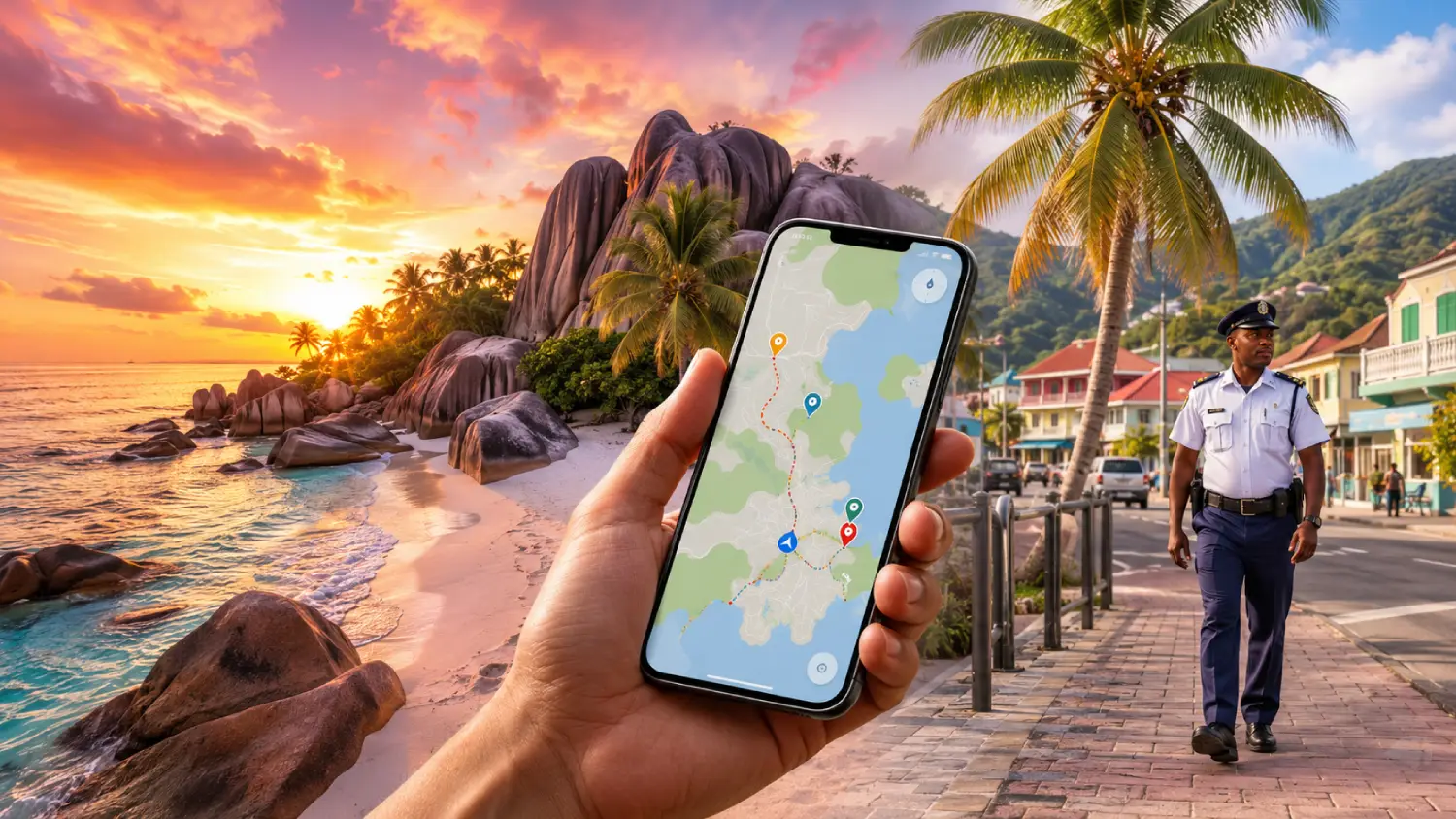

The short answer is yes, Seychelles remains of the safest destinations in the Indian Ocean. Violent crime against tourists is exceptionally rare, and the political climate is incredibly stable. However, the primary safety concerns have shifted toward opportunistic beach theft, unpredictable ocean currents, and strict local regulations.
The Current Reality: Politics, Police & Strict Laws
Seychelles is a prosperous democracy with a tourism-dependent economy, meaning authorities are highly motivated to protect visitors. You will notice a highly visible police presence in the capital city of Victoria and patrolling the major resort areas. The local Creole culture is famously laid-back and welcoming to outsiders.
However, local authorities maintain a zero-tolerance policy for tourists who flout national regulations. Reviewing the Seychelles Tourist Bans & Laws breakdown is crucial, as simple mistakes like wearing camouflage clothing can lead to immediate police detention. Ignorance of the law is never accepted as a valid excuse by local magistrates.
Your safety awareness must begin before you even leave the airport terminal. Customs officials actively screen for a wide variety of banned substances and seemingly harmless restricted items. Understanding the Seychelles Airport Customs Rules protocols will prevent you from facing heavy fines or immediate deportation upon arrival.
In 2026, the biggest risk to your physical property is simply a crime of opportunity. Leaving an expensive smartphone on your beach towel while you swim is the fastest way to ruin a luxurious vacation. Thieves know that tourists let their guard down in paradise, and they wait patiently in the tree lines for the perfect moment.
Regional Breakdown: Safe Zones vs. Areas to Avoid
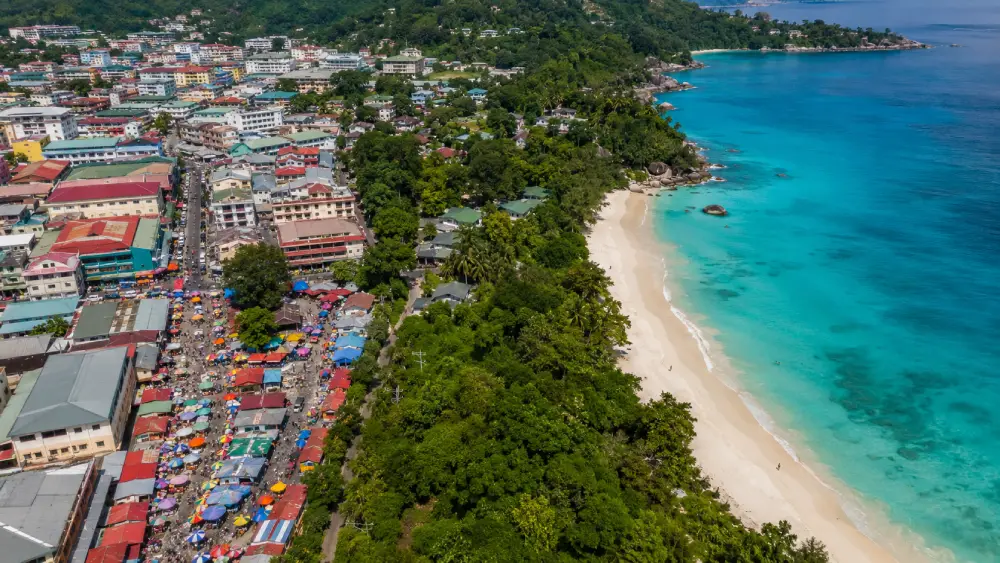
Seychelles is a sprawling archipelago, but the vast majority of tourists split their time between three main islands. Each island features its own distinct safety profile, geographic hazards, and local vibe. Understanding these subtle differences will help you navigate your itinerary with absolute confidence.
Mahé (The Main Island)
-
Victoria: The tiny capital is perfectly safe during the day, bustling with market shoppers and office workers. However, the streets completely empty out after dark, and walking alone at night is highly discouraged due to petty crime.
-
Beau Vallon: This is the most popular tourist strip, packed with lively hotels, restaurants, and beach vendors. It is heavily patrolled by police but remains the number hotspot for opportunistic beach theft.
-
South Mahé: This region is stunningly beautiful and wonderfully remote, but the isolation requires extra caution. Never leave valuables visible in your rental car while hiking or exploring the empty beaches scattered across the south.
Praslin (The Second Island)
-
Côte d'Or: This main tourist hub is exceptionally safe, with a relaxed atmosphere and calm waters. Violent crime is virtually unheard of here.
-
The Coastal Roads: Praslin is much quieter than Mahé, with a significantly lower crime rate overall. The primary safety issue here is navigating the incredibly narrow, winding, and unlit coastal roads safely after dark.
La Digue (The Bicycle Island)
-
La Passe: This car-free island feels like stepping back in time, and violent crime is nonexistent. The community is tight-knit, and locals look out for visitors.
-
Beach Bars & Racks: Your absolute biggest threat on La Digue is having your rented bicycle stolen from outside a beach bar. Always lock your bicycle securely to a designated rack, even if you are just stepping away for a moment.
Transportation Safety: Taxis, Buses & Winding Roads
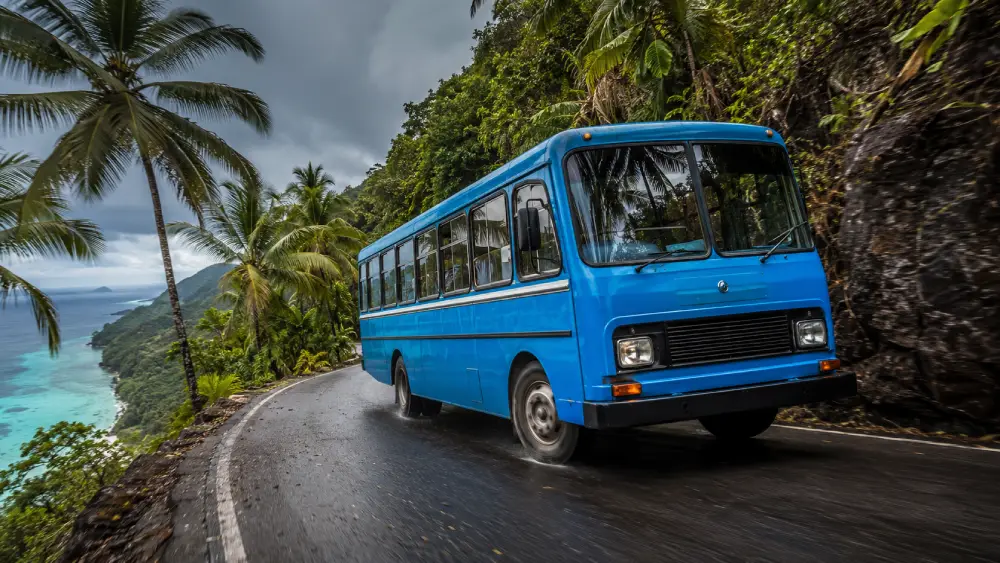
Getting around the islands is an adventure in itself, but it comes with a unique set of logistical challenges. If you choose to rent a car, you must be entirely comfortable driving on the left side of the road. The mountainous roads on Mahé and Praslin are incredibly narrow, incredibly steep, and often lack proper guardrails.
Public buses, operated by SPTC, are remarkably cheap and a fantastic way to experience authentic local life. However, these large blue buses barrel down twisting mountain roads at terrifying speeds. Hold on tight, secure your belongings, and avoid taking the bus with massive suitcases, as drivers will simply refuse your boarding.
Taxis are readily available at the airport and major ferry terminals, but they are notoriously expensive. Always insist that the driver uses the meter, or fiercely negotiate the final price before loading your luggage. Never get into an unmarked vehicle offering a "cheap ride," as these illegal taxis operate without proper insurance or safety standards.
Tourist Scams: The New Threat in 2026
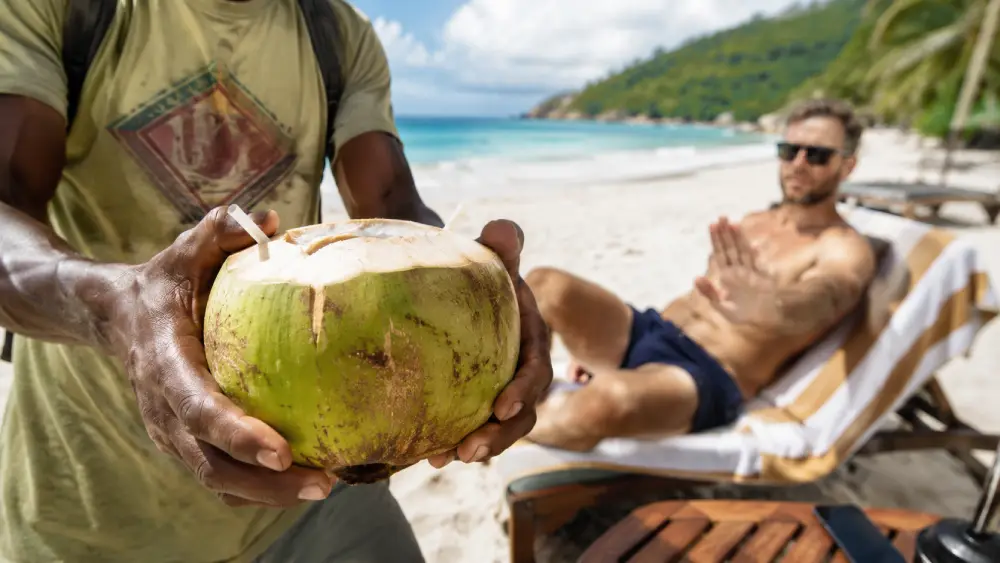
While violent crime is exceptionally low, financial hustles have evolved to target deep-pocketed luxury tourists. The local cost of living is very high, and some bad actors look to bridge their financial gaps by tricking visitors. Keep your guard up against these common traps.
-
The Beach Fruit Hustle: Unlicensed vendors will casually approach you on the sand and chop open a coconut before you can decline. They will then aggressively demand an absurd amount of money, sometimes upwards of $20 USD per coconut.
-
Fake Trail Guides: Men loitering around popular hiking trails will falsely claim you are legally required to hire a guide to enter the forest. Simply ignore them, walk confidently past, and pay your entry fee directly at the official ticket booth.
-
Ferry Terminal "Porters": As you arrive at the bustling Cat Cocos ferry dock, aggressive "helpers" will grab your bags to carry them a few feet. They will then demand a massive tip and loudly cause a scene if you refuse to pay.
-
The Unmetered Taxi Trap: Unscrupulous drivers will claim their meter is magically broken as soon as you pull away from your resort. Always check that the meter is running before the doors close to avoid paying triple the going rate.
Women’s Safety & Solo Travel
Seychelles is an excellent and highly recommended destination for solo female travelers in 2026. The local culture is generally very respectful, and the aggressive street harassment found in other global destinations is largely absent. Women can relax on the beaches, dine alone, and explore the islands without feeling constantly watched or threatened.
However, standard global safety rules still apply the moment the sun goes down. Do not walk alone on unlit beach paths, deserted coastal roads, or through empty Victoria streets at night. Catcalling is quite rare, but if it happens, the safest response is simply to ignore it and keep walking confidently.
Dress codes are wonderfully relaxed around the resorts and beaches, where wearing swimwear all day is completely normal. However, when visiting Victoria, local villages, or any government buildings, you should cover up out of basic respect. Throwing a lightweight sundress over your bikini or wearing shorts and a t-shirt is perfectly acceptable.
Health, Tap Water & Nature's Wrath
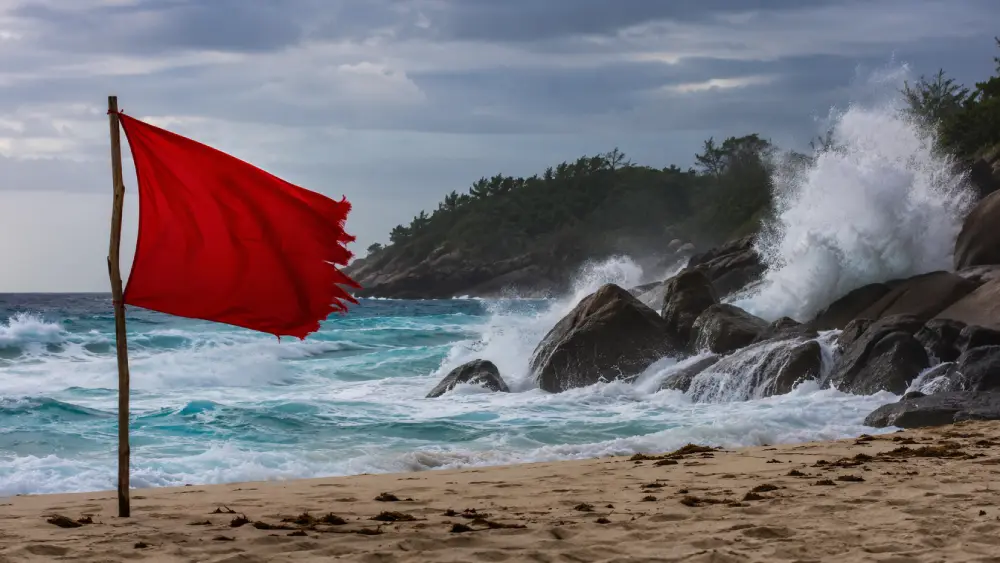
The most dangerous element in Seychelles is not a local criminal; it is the raw, untamed power of the Indian Ocean. Beautiful, pristine beaches often hide deadly rip currents, particularly on the southern tip of Mahé during the southeast trade winds. Never ignore red warning flags, and never assume a calm-looking, empty bay is safe for a casual swim.
Tap water in Seychelles is heavily chlorinated and technically meets baseline World Health Organization standards. However, the extremely high mineral content and aging island pipes routinely cause intense stomach upset for unaccustomed tourists. It is highly recommended to stick to bottled water or bring a heavy-duty filtered water bottle for drinking.
Health-wise, Seychelles is completely free of malaria and yellow fever, making it much safer than many mainland African destinations. However, Dengue fever, which is spread by local mosquitoes, occasionally flares up during the heavy rainy season. Pack high-quality insect repellent, apply it liberally at dawn and dusk, and respect the intense equatorial sun.
The Ultimate Safety Tool: Staying Connected
In 2026, having reliable, high-speed mobile internet is not just a luxury; it is your primary safety lifeline. Whether you need to check real-time ferry schedules or translate a dispute with a taxi driver, being offline is a massive vulnerability. Relying on spotty hotel Wi-Fi leaves you totally disconnected when you are out exploring dark mountain roads.
Need data in Seychelles? Get an eSIM!
Choose the perfect data plan for your trip

Manage your eSIM in the app
Install, top up and track data.
Public Wi-Fi networks in bustling tourist cafes are notoriously unsecure and serve as a prime target for data hackers. Securing a [[Seychelles] eSIM] guarantees an encrypted connection the moment your plane touches down on the tarmac. Choosing the Best eSIM for Seychelles ensures you always have access to offline maps and emergency contacts.
The outer islands can have spotty coverage, making advanced digital preparation absolutely critical for travelers. Figuring out How to Get Internet in Seychelles is the smartest way to bulletproof your itinerary. Do not wait until you are lost on a dense jungle trail to realize your phone has zero signal.
Official Travel Advisories (2026 Update)
Global governments routinely monitor the safety situation and crime statistics in Seychelles. In 2026, the consensus among major allied nations is overwhelmingly positive, with minor caveats regarding petty crime. Here is a brief summary of what the leading authorities are currently advising for travelers.
-
United States (State Department): Ranks Seychelles firmly at Level 1, advising citizens to exercise normal precautions. They highlight that it is a generally safe destination but warn travelers to avoid leaving valuables unattended on popular beaches.
-
United Kingdom (FCDO): Advises travelers to take usual security precautions while visiting the islands. They specifically warn against swimming at unpatrolled southern beaches due to dangerous, hidden tides and unpredictable surf.
-
Canada: Recommends that citizens take normal security precautions while enjoying their vacation. Their current advisory heavily emphasizes the sheer dangers of driving on narrow, winding mountain roads, especially after heavy rains.
The Verdict: Is Seychelles Safe?
Yes, Seychelles is incredibly safe for tourists in 2026, provided you respect the power of nature and stay highly vigilant with your belongings. The islands offer a serene, low-crime environment that is perfect for families, honeymooning couples, and adventurous solo travelers alike. As long as you follow strict local laws and employ basic common sense, you will have a spectacular trip.
-
Lock up your valuables: Never leave phones, wallets, or passports unattended on your beach towel while swimming in the ocean.
-
Respect the ocean currents: swim at beaches with calm waters, and strictly obey any red warning flags or posted signs regarding rip tides.
-
Avoid night driving: Stick to licensed taxis or pre-arranged transfers after dark, as the steep, unlit mountain roads are incredibly dangerous.
-
Negotiate fares first: Always confirm exact taxi prices before getting into the vehicle to avoid extortionate fees at the end of your journey.
-
No camouflage clothing: Leave all camo-print clothing at home to entirely avoid heavy fines or uncomfortable police interrogations upon arrival.