

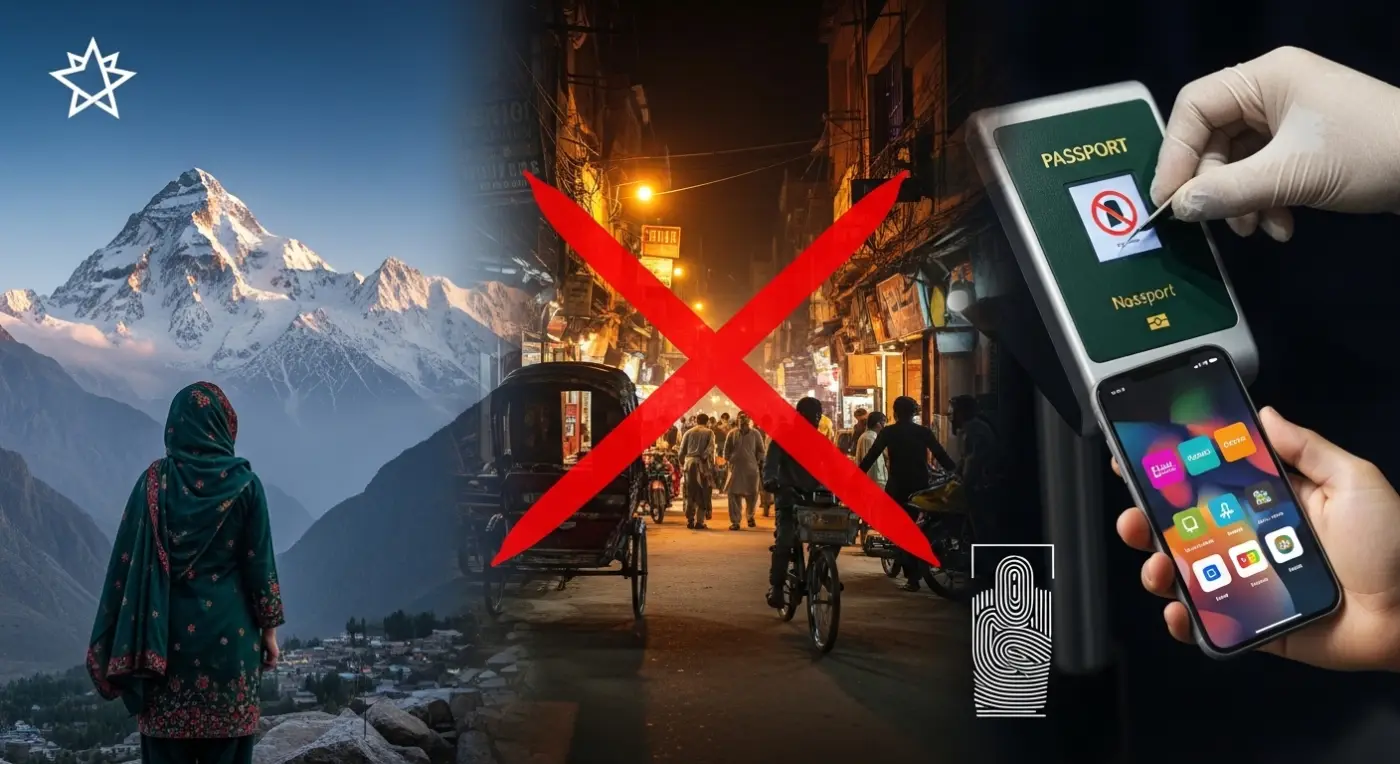

If you search for Pakistan on a government advisory website, you will see severe red alerts warning of terrorism, sectarian violence, and kidnappings.
So, what is the reality on the ground in 2026? Is Pakistan actually safe for foreign tourists?
The unfiltered truth is that there are two Pakistans. There is the awe-inspiring, generally safe tourist corridor of the northern mountains, and there are the highly volatile, strictly forbidden border regions. Pakistan is not a beginner-friendly destination like Thailand or Italy. It demands deep cultural respect, meticulous logistical planning, an iron-clad stomach, and a thick skin.
This comprehensive guide will strip away the vlogger hype and the media hysteria. We will break down exactly where you can go, the reality of street crime in the mega-cities, how to survive the local food, the complex rules for solo female travelers, and how to navigate the country's notoriously difficult digital and legal landscape.
1. The Map of Safety: A Deep Dive into the Regions
You cannot treat Pakistan as a single entity. Your safety depends entirely on your GPS coordinates. The country is massive, and moving from province to another can feel like entering a different country with different security rules.
The "Green" Zones (Generally Safe for Tourists)
These areas are well-trodden by foreign backpackers and are considered the safest corridors in the country.
-
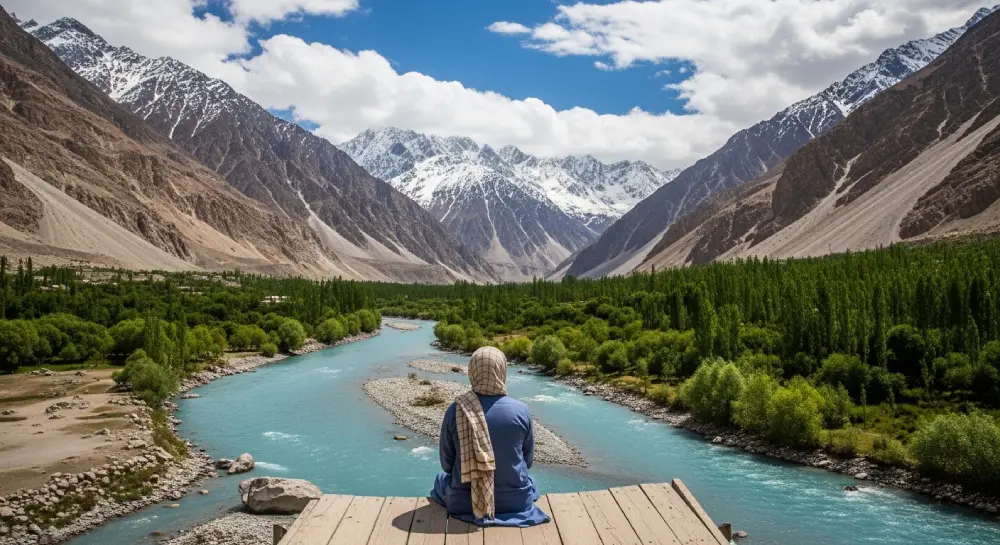
Gilgit-Baltistan (The North): This is the crown jewel of Pakistani tourism. Nestled in the Karakoram and Himalayan mountain ranges (home to K2), the crime rate here is incredibly low. Valleys like Hunza and Skardu are incredibly peaceful, and the local Ismaili Muslim population is highly progressive and accustomed to foreign hikers. The biggest danger here is not crime, but nature (altitude sickness and harsh weather).
-
Islamabad: The capital city is a heavily fortified, purpose-built, and modern bubble. Nestled in the Margalla Hills, it is considered very safe, with widespread police presence, modern infrastructure, and high-end cafes.
-
Lahore: The cultural and historical heart of Pakistan. While chaotic, crowded, and plagued by severe air pollution (smog) in the winter, it is generally safe for tourists who practice standard big-city street smarts. Exploring the Walled City or the Badshahi Mosque is a must.
The "Yellow" Zones (Exercise High Caution)
-
Karachi: Pakistan’s economic powerhouse and largest megacity. While it has a vibrant food and art scene, street crime is a massive issue in Karachi. Armed muggings and mobile phone snatching by men on motorcycles are daily occurrences. You should never walk alone at night, do not flash expensive electronics in traffic, and always use ride-share apps instead of hailing street taxis.
-
Peshawar (KPK Province): A historically fascinating, ancient city near the Afghan border. It is incredibly welcoming but sits in a volatile province. The security situation can change overnight. You should visit with a trusted local guide.
The "Red" Zones (Strictly "Do Not Travel")
Foreign governments, including the U.S. State Department and the UK Foreign Office (FCDO), issue their highest level warnings (Level 4: Do Not Travel) for these specific regions.
-
Balochistan: The largest province is completely off-limits to tourists. Active separatist groups frequently target infrastructure, foreign workers, and security forces.
-
The Afghan Border: Anything within 50 kilometers of the Afghanistan border (including the former FATA regions) is extremely dangerous due to active insurgencies and the risk of kidnapping.
-
The Line of Control (LoC): The heavily militarized border with India in the Kashmir region is strictly prohibited for foreigners.
2. Street Scams, Hassles, and the Reality of Bazaars
While violent crime against tourists in the Green Zones is exceedingly rare, navigating the streets requires intense mental energy.
-
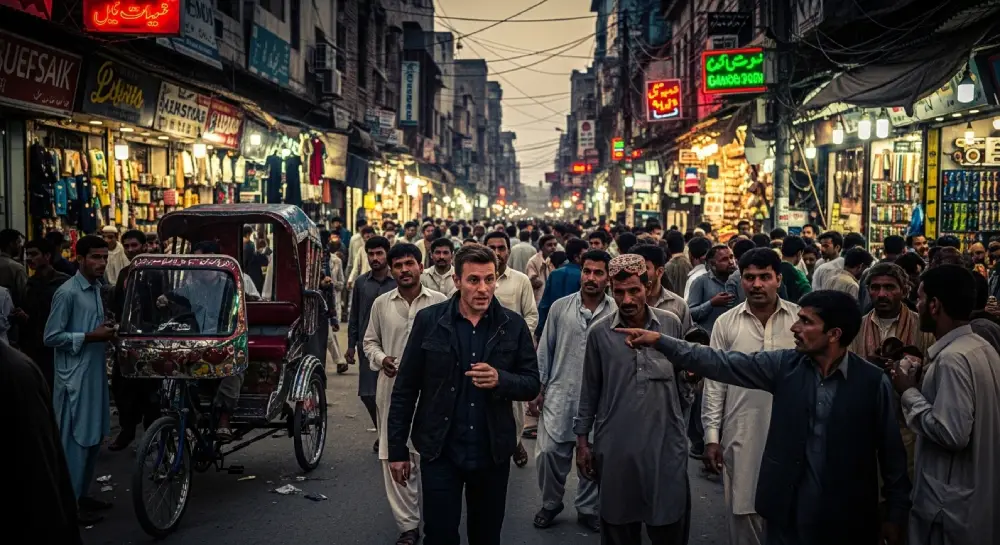
The "Staring" Culture: You will be stared at. Intensely, constantly, and without breaking eye contact. In a country where genders are heavily segregated in public spaces and foreign tourists are a rarity, a westerner walking down a bazaar is an anomaly. It is usually rooted in deep curiosity rather than malice, but the relentless staring can be incredibly mentally draining.
-
Foreigner Pricing: When shopping in places like Lahore’s Anarkali Bazaar or buying souvenirs in Hunza, there are no price tags. The moment a vendor hears a foreign accent, the price often triples. Haggling is mandatory. Always counter-offer at least 50% lower than the initial asking price.
-
Begging Rings: In major cities, especially at traffic lights in Lahore and Karachi, you will be approached by aggressive beggars, including children. Giving money directly encourages the exploitation of these children by organized crime rings. It is better to donate to registered local charities (like the Edhi Foundation).
-
Rickshaw Scams: Auto-rickshaws (Tuk-Tuks) are a fun way to get around, but drivers will routinely overcharge foreigners or pretend they "don't have change" for large bills. Always agree on the exact fare before you get in.
3. Transportation: The Karakoram Highway & City Traffic
-
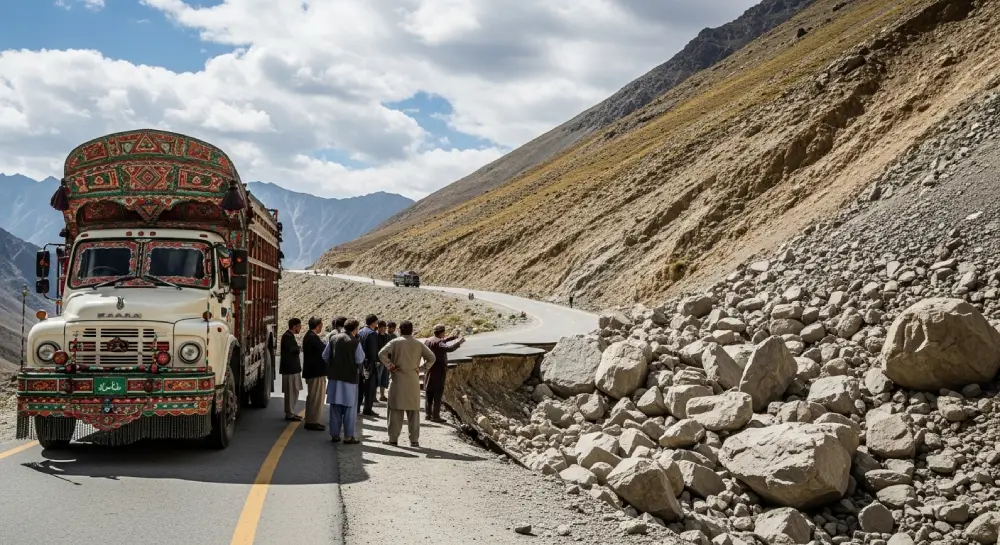
The Karakoram Highway (KKH): Often called the "Eighth Wonder of the World," this highway connects Islamabad to China through the mountains. While fully paved, it is dangerous due to frequent landslides. Heavy rains can wash out sections of the road, leaving you stranded for days. Always build buffer days into your itinerary.
-
City Driving: Do not rent a car to drive yourself in Pakistani cities. The traffic in Lahore or Karachi is a chaotic, rule-free flow of motorcycles, donkey carts, and buses.
-
The Safest Way to Move: For intra-city travel, download the InDrive or Careem apps (Uber's local equivalents). They are cheap, the routes are GPS-tracked, and they eliminate the need to negotiate fares in Urdu. For city-to-city travel, use luxury bus services like Faisal Movers or Daewoo Express, which are highly secure and comfortable.
4. Health, Hygiene, and Surviving the "Desi Belly"
The food in Pakistan (Karahi, Biryani, Nihari) is spectacular, incredibly flavorful, and very heavy. However, food safety standards are not Western, and the sanitation infrastructure is poor.
-
Water is the Enemy: Never drink the tap water. Do not even use it to brush your teeth. Stick exclusively to sealed, bottled water (Nestlé or local premium brands).
-
The Street Food Rule: Eating street food is a huge part of the Pakistani experience, but you must be strategic. Only eat food that is cooked at a high temperature right in front of you (like fresh parathas or deep-fried samosas).
-
Avoid Raw Vegetables: Do not eat the side salads (sliced cucumbers and) that come with your meals at cheap restaurants. They are usually washed in tap water and are a primary source of bacteria.
-
The "Desi Belly": Almost every first-time traveler will experience some form of food poisoning or stomach upset as their microbiome adjusts to the heavy oils (Ghee) and intense spices. Pack strong anti-diarrheal medication, electrolytes, and charcoal tablets.
-
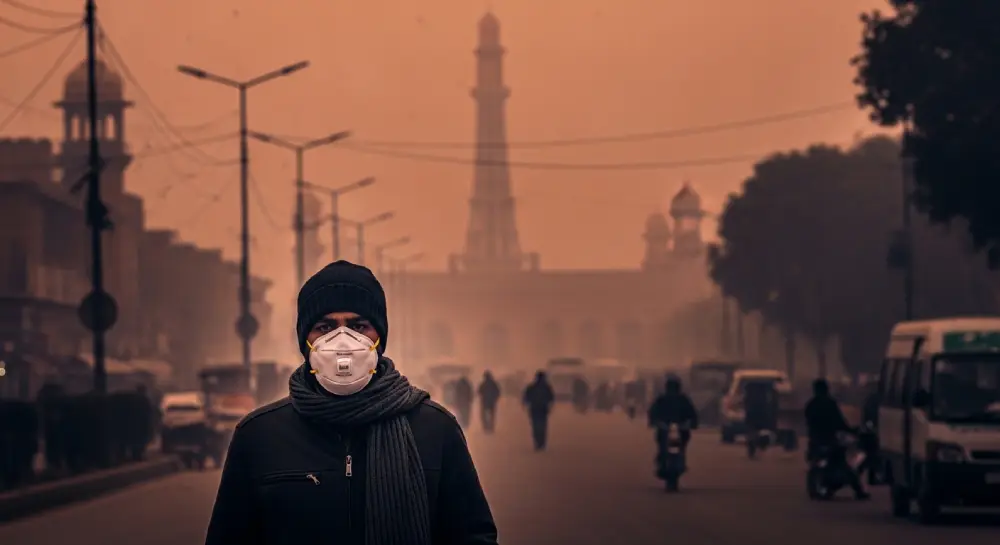
Air Quality Warning: If you visit Lahore or Faisalabad between November and February, be prepared for some of the worst smog in the world. The air quality index (AQI) frequently hits hazardous levels. An N95 mask is required just to walk outside safely.
5. The Airport Traps: Customs, Alcohol, and the DIRBS Tax
The culture shock starts the moment you land at Jinnah International Airport (Karachi) or Islamabad International. Pakistan operates under strict Islamic laws and heavy taxation policies that frequently trap unaware tourists.
The Alcohol Ban
Alcohol is strictly illegal for Muslims in Pakistan. For non-Muslim foreigners, there is a technical, highly regulated allowance to drink in specific five-star hotels, but bringing a bottle of whiskey in your checked luggage is asking for hours of interrogation and potential confiscation at customs. Do not treat Pakistan like a European duty-free zone.
The DIRBS Nightmare (Phone Registration)
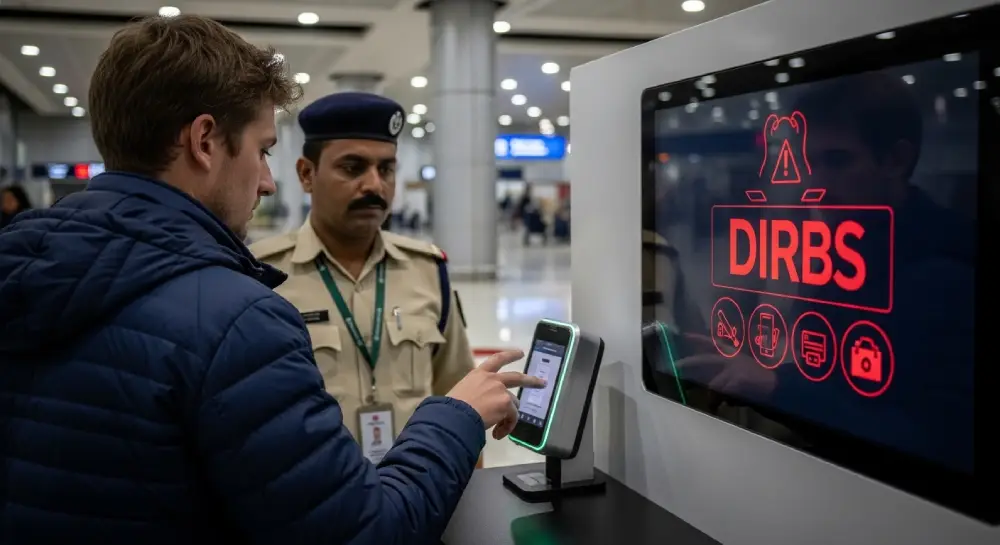
Pakistan operates a system called DIRBS (Device Identification, Registration and Blocking System). To prevent smartphone smuggling, any foreign mobile phone brought into the country will automatically be blocked from all local cellular networks after 60 days unless a massive tax is paid. If you are staying for a month, you are fine. If you are a digital nomad staying for three months, your phone will become a brick.
Before you pack, you must read our detailed breakdown on exactly how to navigate these laws without facing fines or confiscation in our guide: Pakistan Airport Customs Rules.
6. Solo Female Travel in Pakistan: The Complex Reality
This is the most hotly debated topic on travel forums like Reddit. Is it safe for a woman to travel alone in Pakistan?
Yes, but it is exhausting and requires extreme cultural adaptation.
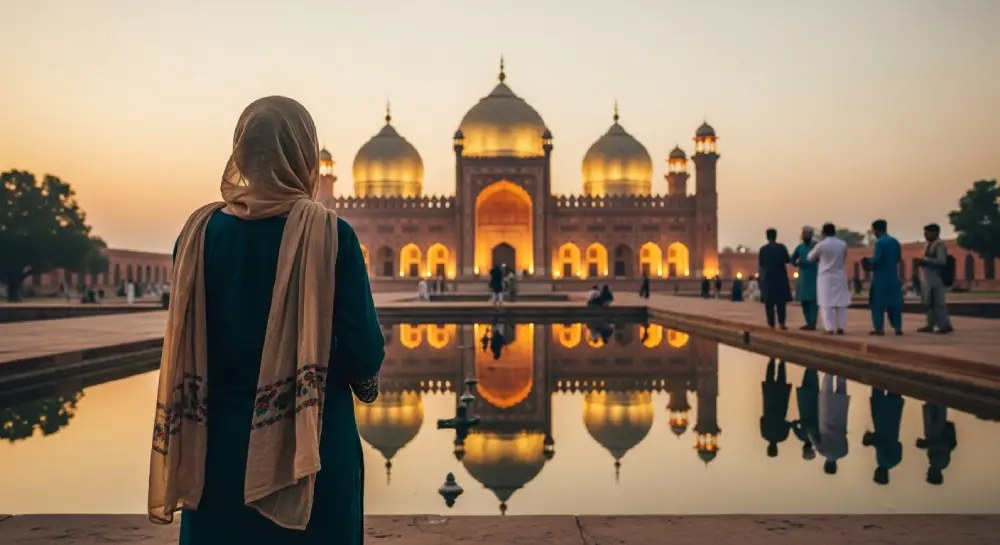
Pakistan is a deeply patriarchal, conservative Islamic republic. While violent crime against foreign women is rare, the cultural friction is intense. Here is what solo female travelers must know:
-
The Dress Code is Mandatory, Not Optional: You cannot wear shorts, tank tops, or tight yoga pants anywhere outside of a private, high-end hotel. To blend in and earn respect, you must wear the local dress: the Shalwar Kameez (a loose, long tunic over baggy trousers) and carry a Dupatta (a light scarf) draped over your chest or head. This instantly changes how local men interact with you.
-
Segregation in Public: Pakistani society is highly gender-segregated. Restaurants often have "Family Sections" (for women and families) and a main seating area (almost exclusively for men). Public buses have separate sections for women at the front.
-
Male Escorts: In the northern areas (Hunza), solo women move freely and safely. However, in deeply conservative cities like Peshawar or rural Punjab, having a trusted male local guide or traveling in a group acts as a massive shield against harassment and unwanted attention.
7. Political Instability and Sudden Blackouts
Pakistan’s political landscape is highly volatile. Protests, strikes, and political rallies can erupt with zero warning, particularly in Islamabad, Lahore, and Karachi.
While tourists are rarely the target of these protests, they cause severe logistical nightmares. The Government's "Kill Switch": During major protests or significant religious holidays (like Ashura), the Pakistani government frequently utilizes a "kill switch," completely shutting down all mobile networks (4G/5G) across entire cities for security reasons. You can instantly lose access to Google Maps, your ride-share apps, and communication with your embassy.
8. Digital Safety: The SIM Card Struggle
Because of the security situation, navigating chaotic city streets, and the potential for network shutdowns, staying digitally connected in Pakistan is both absolutely critical and incredibly difficult for foreigners.
You cannot just walk up to a kiosk and buy a SIM card in two minutes.
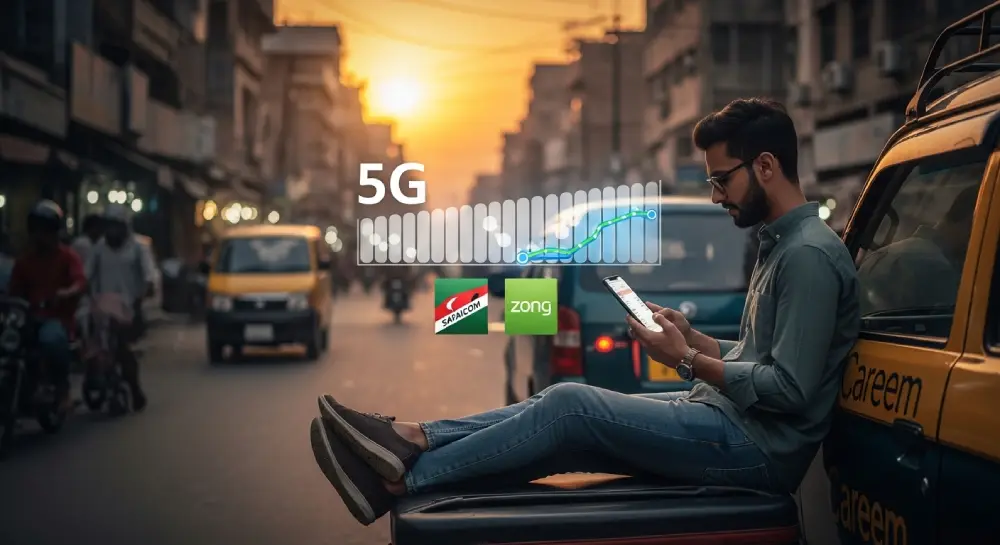
The Biometric Wall: Due to anti-terrorism laws, every single physical SIM card sold in Pakistan must be registered with a biometric fingerprint scan linked to a National ID card. For a foreigner with a passport, this process is a bureaucratic nightmare. You must go to an official franchise office (Jazz, Zong, or Telenor), provide your passport, visa, and hotel address, and hope the "foreigner registration system" is that day. It can take hours, and your SIM might still deactivate a week later if the paperwork isn't processed correctly by the government.
Relying on spotty hotel Wi-Fi is dangerous if you need to call a ride-share app (like InDrive) to safely get back to your hotel after dark.
For a complete breakdown of how to navigate the biometric system, rent portable routers, or find Wi-Fi, read our guide on How to Get Internet in Pakistan
The Ultimate Travel Hack: Bypass the biometric nightmare entirely. The safest and most efficient way to secure a connection before you even step out of the airport is by using a travel eSIM. You activate it via a QR code, and it legally bypasses the local physical SIM registration queues, connecting you instantly to the best local networks.
Skip the franchise lines and review the most reliable data plans in our comparison: Best eSIM for Pakistan.
👉 Do not land offline in a mega-city. Secure your Pakistan eSIM right now.
Final Verdict: Should You Visit Pakistan in 2026?
Pakistan is not a relaxing vacation; it is a profound, life-altering travel experience.
If you are a novice traveler looking for a carefree, organized holiday, do not go to Pakistan. However, if you are a seasoned adventurer willing to dress conservatively, respect deep cultural boundaries, hire local guides, ignore the staring, and tolerate logistical chaos, you will be rewarded with the most spectacular mountain scenery on Earth and a level of raw, unfiltered hospitality that no longer exists in the Western world.
Check your government advisories, secure your eSIM, pack your Shalwar Kameez, and prepare for the ultimate adventure.