

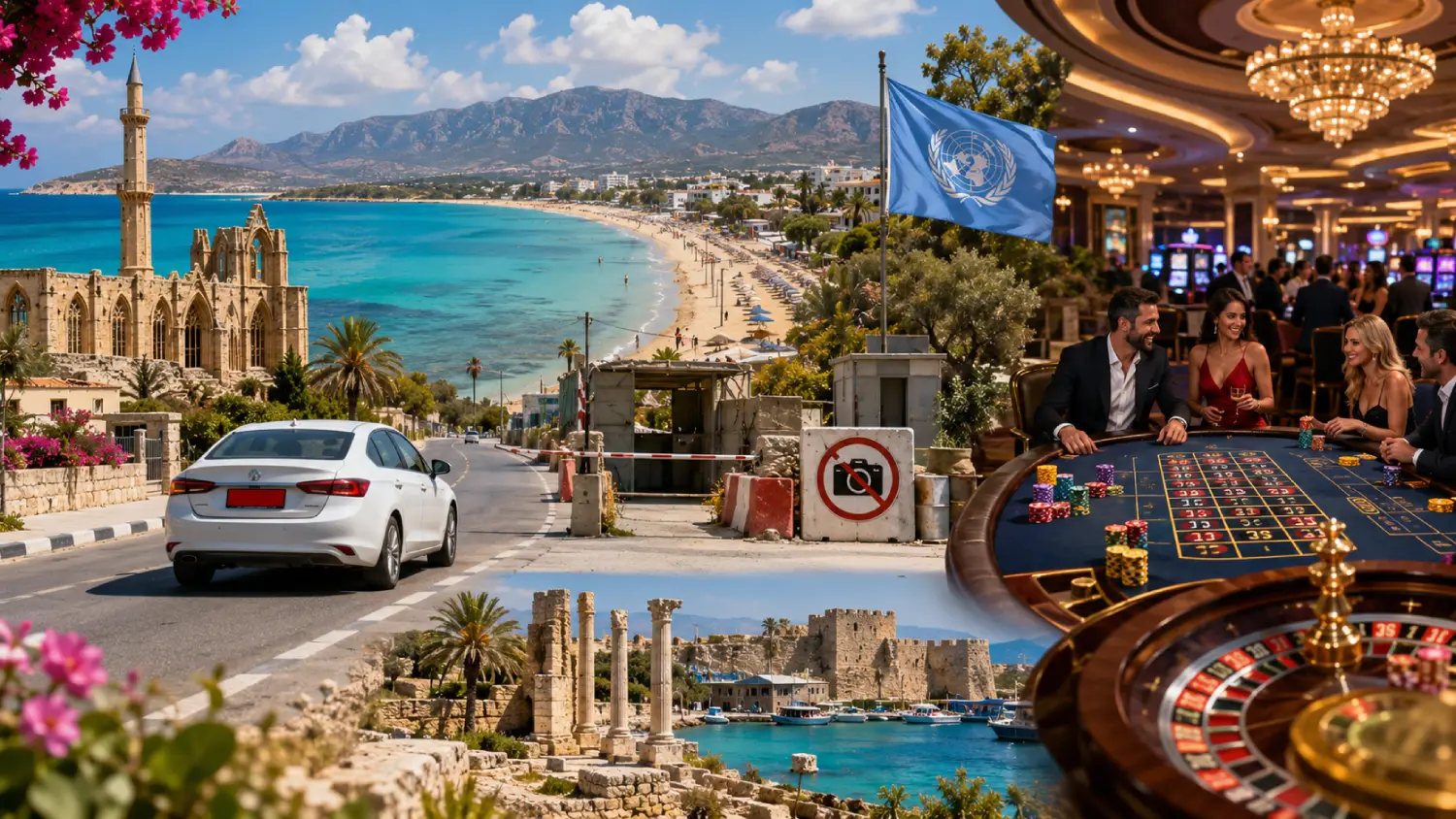

The short answer is yes, Northern Cyprus is overwhelmingly safe from violent crime, but it carries unique legal and political risks that most beach destinations do not. Because the self-proclaimed Turkish Republic of Northern Cyprus (TRNC) is officially recognized by Turkey, standard international safety nets simply do not exist here in the same capacity. The real "danger" for tourists rarely comes from street criminals, but rather from accidentally breaking strict local laws or wandering into heavily militarized areas.
The Current Reality: Politics, Safety & The Green Line
The island of Cyprus remains physically and politically divided by a United Nations buffer zone known as the Green Line. While the southern Republic of Cyprus is an EU member state, the northern TRNC operates under entirely different administration and laws. Tensions at the border have remained largely peaceful for decades, but the area is heavily monitored by military forces on both sides.
For tourists, the biggest risk is the photography trap near these restricted areas. Taking photos of military camps, UN buffer zones, or armed personnel is strictly illegal and aggressively prosecuted. Tourists who ignore the red warning signs risk having their equipment confiscated, facing hefty fines, or even imprisonment. To fully understand what could land you in jail, you must read our Northern Cyprus Tourist Bans & Laws guide before arriving.
Violent crime against tourists is incredibly rare, ranking lower than most mainland European destinations. You are far more likely to face trouble for carrying restricted prescription medication than for being mugged on the street. The TRNC enforces an absolute zero-tolerance policy for all narcotics, and even bringing certain ADHD medications without proper medical documentation is treated as a severe criminal offense.
Regional Breakdown: Safe Zones vs. Areas to Avoid
Northern Cyprus does not have traditional dangerous inner-city slums, but risk profiles change depending on where you are on the island. The heavily militarized border areas along the Green Line should never be treated as casual exploration zones. Stick to designated pedestrian streets and official checkpoints when navigating these dividing boundaries.
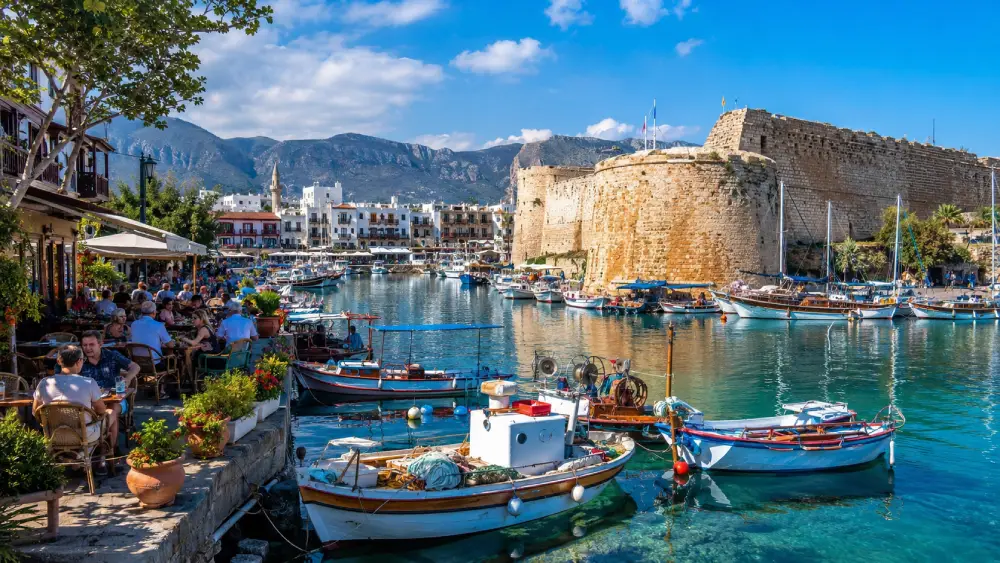
Kyrenia (Girne) and the northern coast serve as the tourism epicenter and are exceptionally safe day and night. This area is heavily policed to protect the lucrative tourism industry and ensure visitors feel secure. If you are planning a trip to this specific region, our Northern Cyprus Guide: Kyrenia Casinos, Best Hotels & Beaches highlights the most secure and popular coastal spots.
Famagusta (Gazimağusa) and the Long Beach area are also generally safe, but petty theft has occasionally been reported during peak summer months. Crowded public beaches are prime spots for opportunistic thieves targeting unattended bags while tourists swim. The infamous abandoned district of Varosha is now partially open to the public, but you must strictly stay on designated paths and obey all military warnings.
Transportation Safety: Driving on the Left & Border Crossings
Transportation here presents unique challenges, primarily because Northern Cyprus follows the British legacy of driving on the left side of the road. Rental cars are identifiable by red license plates, immediately marking you as a tourist to both locals and police. Road conditions can be unpredictable, with rural routes often lacking streetlights and local drivers frequently treating speed limits as mere suggestions.
If you plan to drink, absolutely do not drive, as the local police enforce a near zero-tolerance policy for alcohol. Breathalyzer checkpoints are incredibly common near tourist hubs, and failing will result in immediate vehicle impoundment and massive fines. Taxis are widely available, but you must always insist they use the meter to avoid being blatantly overcharged.
Crossing the border requires careful planning depending on your arrival point. Entering the island via Ercan Airport in the north is considered an "illegal entry" by the southern Republic of Cyprus, meaning you may be blocked from crossing the Green Line southward. Make sure you understand exactly what you can bring across these borders by reviewing our Northern Cyprus Airport Customs Rules: Alcohol, Cigarettes, and Cash Limits protocol.
Tourist Scams: The New Threats in 2026
While violent crime is nearly nonexistent, financial exploitation is a growing concern in heavily touristed sectors. Most scams in Northern Cyprus revolve around overcharging or selling counterfeit merchandise. Protect your wallet by watching out for these specific 2026 traps:
-
The Taxi "Broken Meter" Trick: Unlicensed cabs or unscrupulous drivers will claim their meter is broken and quote an astronomically high flat rate. Always agree on a firm price before getting in or demand they turn the meter on immediately.
-
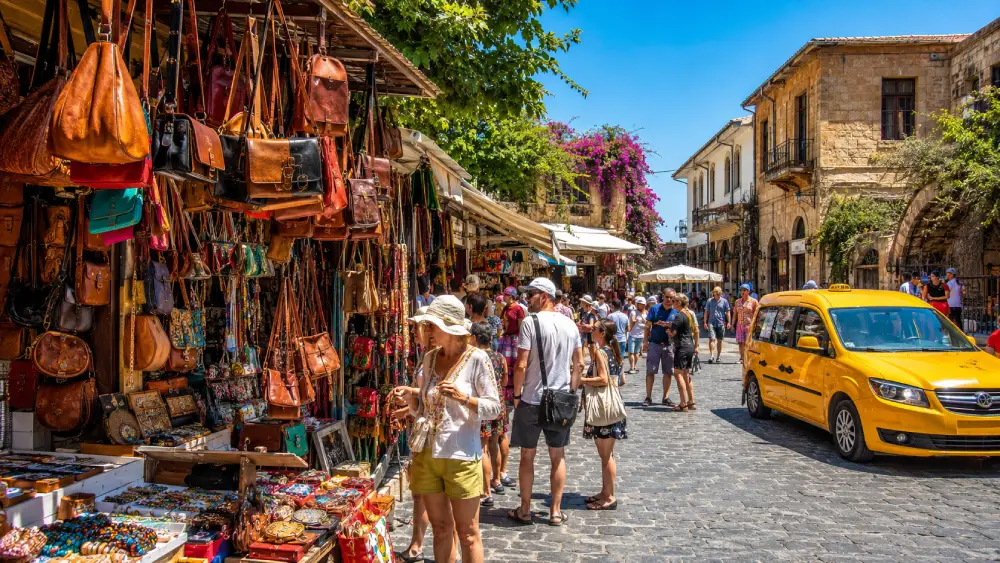
Counterfeit Goods Confiscation: Markets in North Nicosia are flooded with fake luxury bags and watches. If you buy these and attempt to cross the border into the southern Republic of Cyprus, EU customs officials will confiscate the items and issue severe fines.
-
Casino Drink Scams: While large resort casinos are highly professional, smaller venues may aggressively push "free" drinks while you play, to slap you with hidden service charges when you try to cash out. Always clarify the house rules regarding complimentary hospitality.
-
ATM Skimming: Criminals occasionally install card skimmers on street-facing ATMs in busy tourist districts. withdraw cash from ATMs located physically inside bank branches or major well-lit hotels.
Women’s Safety & Solo Travel
Northern Cyprus is widely considered a highly secure destination for solo female travelers. The local culture is generally respectful, and the aggressive catcalling found in some other Mediterranean destinations is relatively rare here. Women can feel comfortable walking alone during the day and in busy tourist areas at night.
Standard safety precautions still apply when the sun goes down. Avoid walking down unlit, isolated streets late at night, especially around nightlife districts where alcohol consumption is heavy. Keep a close eye on your drinks in bars and clubs, as isolated incidents of drink spiking can happen anywhere in the world.
While the beach resorts are very relaxed regarding swimwear, it is polite to dress modestly when venturing into rural villages or visiting religious sites. Carrying a light scarf to cover your shoulders is a smart move for exploring historical mosques. Overall, solo travelers report feeling incredibly comfortable navigating the TRNC without harassment.
Health, Tap Water & Nature
Do not drink the tap water in Northern Cyprus, as it is heavily chlorinated, sourced from desalination plants, and generally unsafe for direct consumption. Always stick to bottled water for drinking and brushing your teeth, which is cheap and available at every local market. Ice in major hotels and restaurants is generally safe, but use caution at smaller street-side vendors.
The Mediterranean climate brings extreme heatwaves during the peak summer months of July and August. Temperatures regularly soar past 100F (38C), making heatstroke and severe dehydration very real medical emergencies. Limit strenuous activities during midday, wear high SPF sunscreen, and stay constantly hydrated.
You will encounter large populations of feral cats and dogs throughout the island. While they are usually friendly and fed by locals, you should avoid petting them to prevent bites or scratches that could require medical attention. Additionally, use insect repellent in the evenings, as mosquitoes can be a nuisance and occasionally carry localized viruses.
The Ultimate Safety Tool: Staying Connected
Having reliable internet access on your phone is your most vital safety asset when navigating an unrecognized territory. A solid connection allows you to use GPS to avoid wandering into restricted military zones, translate signs instantly, and contact emergency services if needed. Relying on public Wi-Fi is highly dangerous, as these unsecured networks are prime targets for hackers looking to steal your financial data.
Need data in Northern Cyprus? Get an eSIM!
Choose the perfect data plan for your trip

Manage your eSIM in the app
Install, top up and track data.
To guarantee you are never stranded without a map or a way to call a registered taxi, you need to set up a digital data plan before your plane lands. Activating a Northern Cyprus eSIM ensures you connect to the strongest local cell towers the moment you step off the plane. We highly recommend reviewing the Best eSIM for Northern Cyprus so you do not overpay for roaming fees.
If you are confused about how these digital plans work on a divided island, read our comprehensive How to Get Internet in Northern Cyprus.
Official Travel Advisories (2026 Update)
Because the TRNC is an unrecognized state by most of the world, international governments issue strict warnings regarding their inability to help you there. Here is the current consensus from major western nations:
-
United States: The State Department routinely warns that U.S. embassy personnel cannot provide standard consular assistance in the Turkish Cypriot-administered area. They strongly advise extreme caution regarding the broader volatile geopolitical climate surrounding the Eastern Mediterranean.
-
United Kingdom: The FCDO emphasizes the lack of formal diplomatic relations with the north. They explicitly warn British nationals about the harsh penalties for photographing military installations and the strict rules governing border crossings.
-
Canada: The Canadian government advises a high degree of caution for the entire island. They stress that their ability to provide consular assistance in the northern part is heavily limited and warn travelers to enter through legal, designated crossing points.
The Verdict: Is Northern Cyprus Safe?
Yes, Northern Cyprus is incredibly safe from a street crime perspective, making it a peaceful destination for a Mediterranean holiday. However, the safety profile relies entirely on your willingness to respect the complex political borders, heavily enforced military zones, and strict local driving laws. As long as you stay away from restricted areas and follow the rules of the road, your trip should be entirely trouble-free.
Golden Rules for 2026:
-
Never photograph the military: Keep your camera firmly packed away anywhere near the Green Line, military bases, or uniformed soldiers.
-
Use official border crossings: Never attempt to bypass designated checkpoints when traveling between the north and south.
-
Do not drink and drive: The zero-tolerance policy means even alcoholic beverage can result in the loss of your rental car and severe fines.
-
Drink bottled water: Avoid tap water completely to prevent stomach issues that could ruin your vacation.
-
Secure your connection: Download an eSIM before arrival so you never lose access to emergency navigation and translation tools.
Note: Travel safety situations can change rapidly. This information is accurate as of June 2026. Always exercise street smarts and consult official advisories before your trip.