

'/%3e%3c/svg%3e)
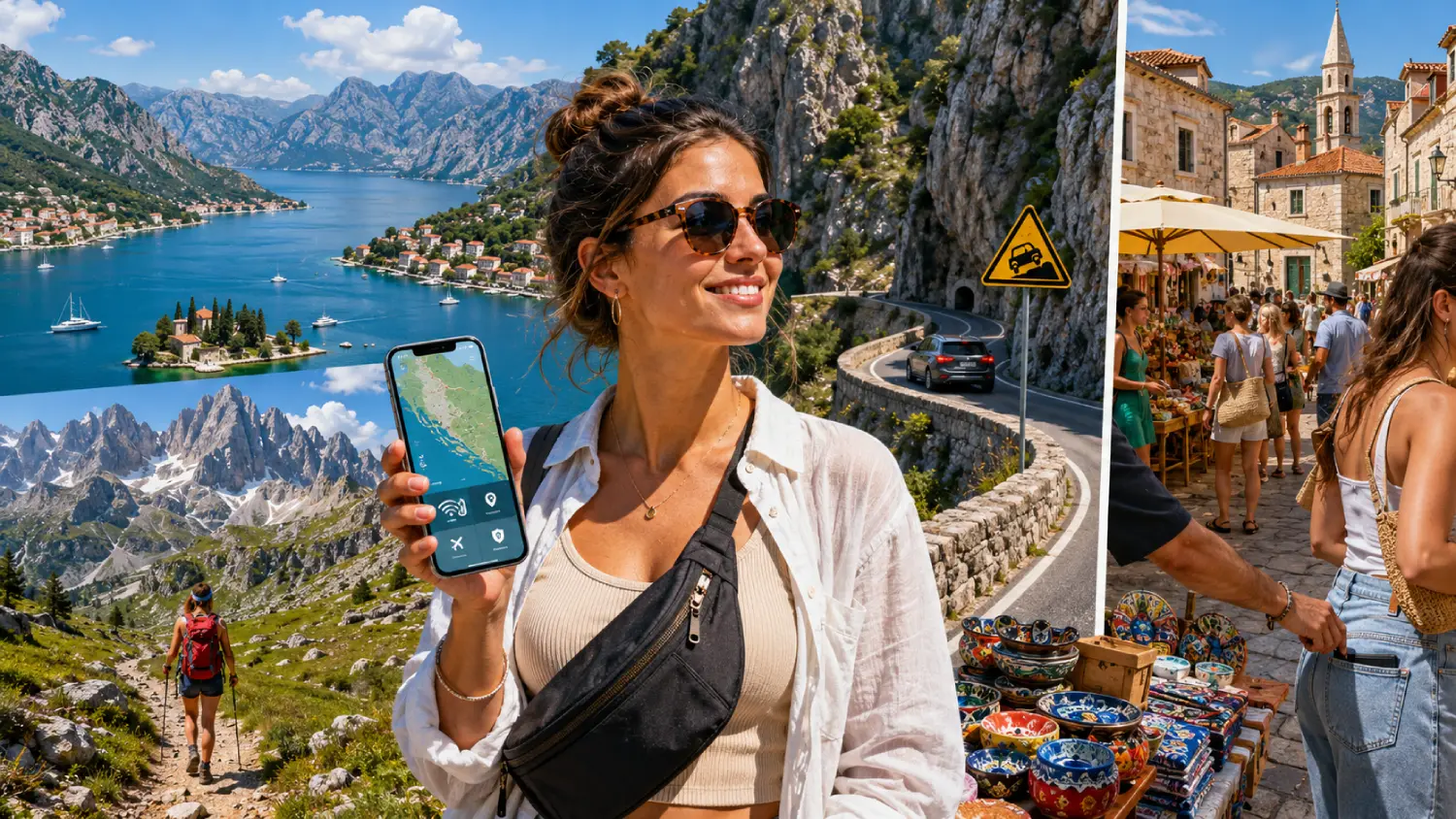
The short answer is yes, Montenegro is overwhelmingly safe for tourists. In fact, it boasts some of the lowest violent crime rates in all of Europe. However, the nature of the "danger" here is largely environmental and infrastructural, rather than criminal. You are far more likely to face a white-knuckle drive over an unmaintained mountain pass or fall victim to an overpriced seafood scam than you are to be mugged.
The Reality on the Streets: Organized Crime vs. Tourist Safety
If you follow Balkan news, you might have heard whispers about organized crime. It is true that Montenegro has a history of high-profile mafia disputes, most notably involving rival clans originating from coastal towns. However, it is vital to understand that tourists are completely insulated from this underworld. These syndicates have zero interest in targeting foreign visitors, and violent street crime against travelers is virtually unheard of.
The most common crime tourists face is opportunistic petty theft. In the height of the summer season, crowded hotspots become lucrative hunting grounds for professional pickpockets. When you are distracted by the medieval architecture or posing for photos in a packed plaza, your unzipped backpack is an easy target. Always keep your valuables secured in cross-body bags, especially in busy markets or on public transport.
There is also a unique cultural quirk regarding firearms that visitors should understand. Celebratory gunfire is a relatively common practice during weddings, major sporting victories, and national holidays. While locals view this as a traditional celebration, stray bullets have caused tragic accidents in the past. If you hear sudden bursts of gunfire during a festive event, it is wise to quietly move indoors and before you inadvertently break local regulations, make sure to read up on Montenegro Tourist Bans & Laws.
Regional Breakdown: Coastal Havens and Mountain Caution
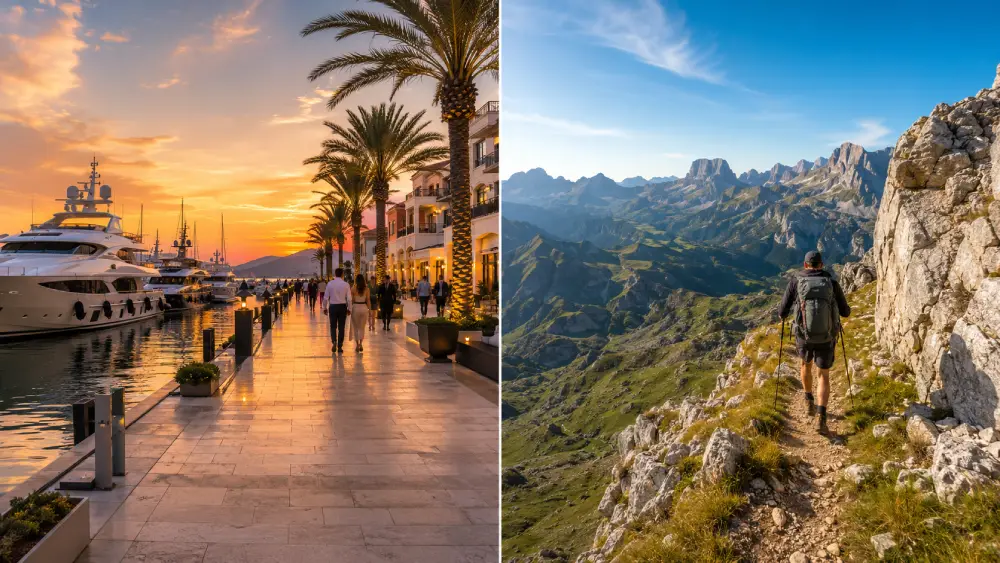
Montenegro is heavily divided between the glamorous, heavily touristed coast and the rugged, remote mountainous interior. The Bay of Kotor, including towns like Perast and Tivat, is the safest and most heavily policed area in the country. This is the luxury yacht capital of the Adriatic, meaning security is tight and violent crime is essentially non-existent. You can comfortably walk these towns at night without looking over your shoulder.
Budva is the country's party epicenter, often dubbed the "Balkan Miami." While it is entirely safe during the day, the nightlife scene brings its own set of chaotic variables. The intense summer partying leads to drunken altercations, aggressive bouncers, and an influx of petty thieves looking to prey on inebriated tourists staggering back to their hotels. Stick to well-lit main streets when heading home after midnight, and avoid engaging with overly aggressive nightclub promoters.
The northern mountainous regions, such as Durmitor National Park, present entirely different risks. Here, the threats are nature and isolation rather than crime. Border areas near Kosovo and Albania require extra vigilance, not necessarily because of hostility, but due to smuggling routes and incredibly remote terrain where emergency services cannot easily reach you. If you are hiking in these areas, never venture off marked trails and always inform someone of your route.
Surviving the Roads: Transportation Risks
The single biggest danger in Montenegro is not a person, but the asphalt. Driving here requires nerves of steel, excellent reflexes, and a high tolerance for adrenaline. The country’s geography dictates that most roads are winding, single-lane cliffside routes with sheer drops and minimal guardrails. Add to this the highly aggressive local driving culture, where blind overtaking on blind corners is a daily occurrence, and driving becomes a genuine hazard.
The infamous Morača Canyon road is notorious for a reason. This breathtakingly beautiful but treacherous route connecting the coast to the north is plagued by heavy traffic, poor maintenance, and frequent accidents. In winter, black ice and sudden heavy snowfall make mountain driving highly dangerous for anyone unaccustomed to alpine conditions. If you are not a highly confident driver, skip the rental car and rely on local transit instead.
Public transportation is relatively safe, but buses on mountain routes can still induce motion sickness and anxiety. When it comes to local transit, unmarked taxis are a persistent plague. Never get into a taxi that does not display an official company logo and phone number. Always insist the driver turns on the meter, or you will find yourself paying quadruple the standard rate for a five-minute ride from the airport.
Tourist Scams: The New 2026 Financial Traps
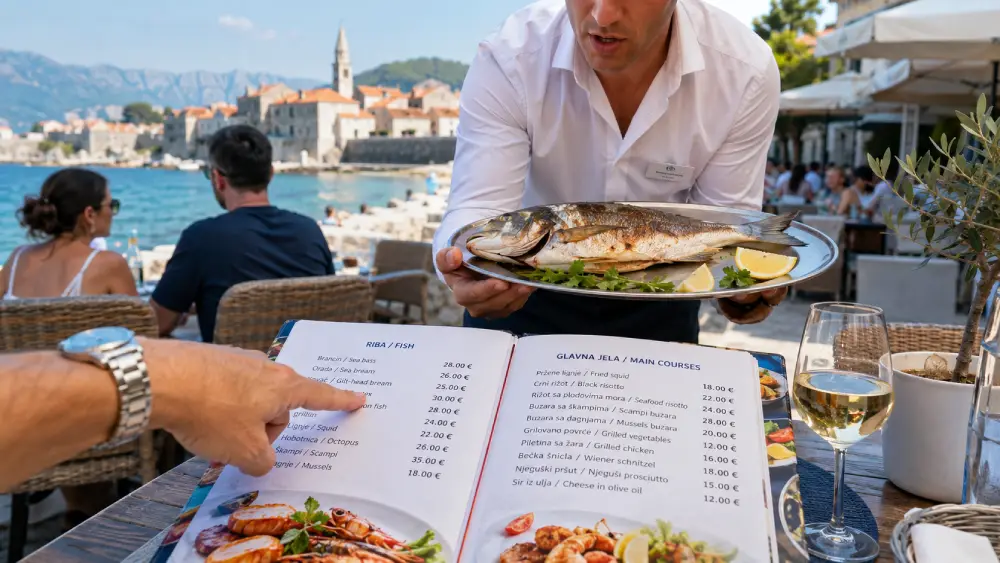
Violent crime is rare, but financial trickery in Montenegro is an art form. As the country’s popularity skyrockets, so do the creative ways locals try to squeeze extra euros out of unsuspecting visitors. Keep your guard up against these specific traps:
-
The "No Menu" Seafood Scam: You sit down at a charming coastal restaurant and the waiter verbally offers you the "catch of the day" without handing you a menu. When the bill arrives, that single fish costs upwards of €100. Always demand a physical menu with printed prices before ordering anything.
-
Unbranded ATM Skimming: The historic old towns are filled with generic, unbranded ATMs strategically placed near bars and souvenir shops. These machines charge exorbitant conversion fees and are frequently targeted by criminals installing card-skimming devices. Only withdraw cash from ATMs physically attached to major banks (like Erste, CKB, or Lovćen).
-
The Fake Parking Attendant: In busy coastal towns, a man in a high-visibility vest might wave you into a public parking spot and demand €10 in cash for a "day pass." True public parking is almost always paid via automated SMS or official municipal parking meters.
-
The Friendly Distraction: A group of supposedly lost tourists or overly friendly locals approaches you with a map, asking for directions or a group photo. While your attention is completely monopolized by the interaction, an accomplice is quietly emptying your pockets.
Women’s Safety & Solo Travel
Montenegro is incredibly welcoming to solo female travelers, and women consistently report feeling very safe throughout the country. Unlike in some other destinations, you will rarely encounter aggressive street harassment or persistent catcalling in broad daylight. The culture here is deeply hospitable, and locals are generally protective of visitors, often going out of their way to offer help or directions.
However, a strong "machismo" culture does exist, particularly in rural areas and the intense nightlife scenes of Budva. While local men are usually respectful, the club environment can bring out overly forward behavior. Firmly declining unwanted attention is usually enough to end an interaction, but it is wise to maintain situational awareness. Never leave your drink unattended, and ensure you have a pre-arranged, safe way to get back to your accommodation at night.
Dress codes are generally relaxed on the coast, where beachwear and summer dresses are the norm. However, if you plan to visit any of the country’s stunning Orthodox monasteries, strict modesty is required. Both men and women must have their shoulders and knees completely covered, and women are often asked to wear a headscarf. Keeping a lightweight scarf in your day bag is a smart move to ensure you are never turned away from a historical site.
Health, Tap Water & Nature
Health and environmental risks are often overlooked by travelers mesmerized by the scenery. Can you drink the tap water? In most major coastal towns and the capital, Podgorica, the tap water is generally safe to drink. However, after periods of heavy rain, the water supply can become slightly contaminated or visibly cloudy. To avoid the infamous traveler’s stomach, many visitors prefer to stick to bottled water just to be safe.
Nature in Montenegro demands respect. The coastal waters of the Adriatic are stunning but can hide unpredictable dangers. During the fall and winter, sudden storms create massive waves and incredibly strong undertows. Never dive into unknown waters; hidden rocky outcrops just beneath the surface have caused severe injuries and even fatalities. Always pay attention to the warning flags posted on popular beaches.
Inland, the summer months bring intense heat and a very high risk of wildfires. Smoke can rapidly degrade air quality, and fast-moving fires occasionally force road closures or localized evacuations. Furthermore, Montenegro sits on an active seismic fault line, meaning minor earthquakes are relatively common. If you bring specialized medications or electronics to handle these conditions, make sure to check the Montenegro Airport Customs Rules before you pack.
The Ultimate Safety Tool: Staying Connected
In 2026, the most critical safety device you carry is your smartphone, provided it actually has a signal. Relying on public Wi-Fi in Montenegro is a massive security risk, as cybercriminals frequently set up spoofed networks in tourist cafes to steal credit card data and personal information. Having immediate access to a secure, private network means you can quickly call an Uber, translate a conversation with local police, or reroute your GPS if you get lost on a mountain road.
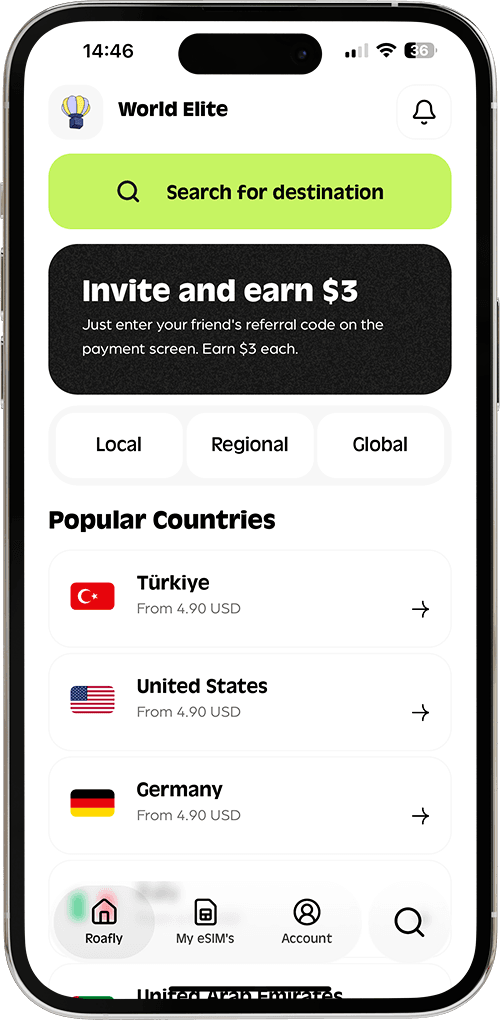
Need data in Montenegro? Get an eSIM!
Choose the perfect data plan for your trip

Manage your eSIM in the app
Install, top up and track data.
The easiest way to guarantee immediate connectivity the moment your plane lands is by downloading an eSIM. Before you travel, you can easily review the Best eSIM for Montenegro to find a package that suits your itinerary. This prevents you from having to hand over your passport to a random kiosk vendor just to buy a local SIM card.
A reliable Montenegro eSIM keeps your banking apps secure and ensures you always have access to offline maps when venturing into the remote northern mountains. If you are unsure of how the technology works or what your alternatives are, read up on How to Get Internet in Montenegro.
Official Travel Advisories (2026 Update)
Before packing your bags, it is crucial to know exactly what the top global authorities are advising for Montenegro in 2026:
-
United States (State Department): Currently ranks Montenegro at Level 1 (Exercise Normal Precautions). The US government considers it a very safe destination but warns tourists to be aware of their surroundings, particularly in crowded areas where pickpocketing occurs.
-
Canada (Travel.gc.ca): Advises travelers to "Take normal security precautions." The Canadian government specifically highlights the dangers of reckless local drivers, poorly maintained mountain roads, and the risk of credit card skimming on unsecure networks.
-
United Kingdom (FCDO): Agrees that the country is generally safe but warns British tourists about the dangers of illegal taxis and the importance of securing valuables at the beach. They also note that unexploded ordnance from past conflicts still exists in highly remote, unpopulated mountainous areas.
The Verdict: Is Montenegro Safe?
Yes, Montenegro is a wonderfully safe, welcoming, and spectacularly beautiful destination for 2026. The violent crime rate is incredibly low, and the local hospitality is world-class. If you respect the treacherous mountain roads, keep an eye on your wallet in crowded tourist hubs, and refuse to be bullied by overcharging taxi drivers, you will have the trip of a lifetime. The biggest danger you will likely face is eating too much incredible seafood or taking a slightly terrifying bus ride through a canyon.
Golden Rules for Montenegro in 2026:
-
Never trust a mountain road: Drive defensively, avoid night driving in the north entirely, and respect the aggressive local traffic culture.
-
Reject verbal menus: Always demand a printed menu with prices at restaurants to avoid the dreaded seafood overcharging scam.
-
Secure your cash: use official, bank-attached ATMs to withdraw money, completely avoiding the generic cash machines in the old towns.
-
Cover up for culture: Keep a scarf or modest clothing in your daypack for spontaneous visits to ancient monasteries.
-
Stay connected securely: Use a dedicated mobile data plan to avoid compromised public Wi-Fi networks and to keep your GPS active in rural zones.
Note: Travel safety situations can change rapidly. This information is accurate as of May 2026. Always exercise street smarts and consult official advisories before your trip.