


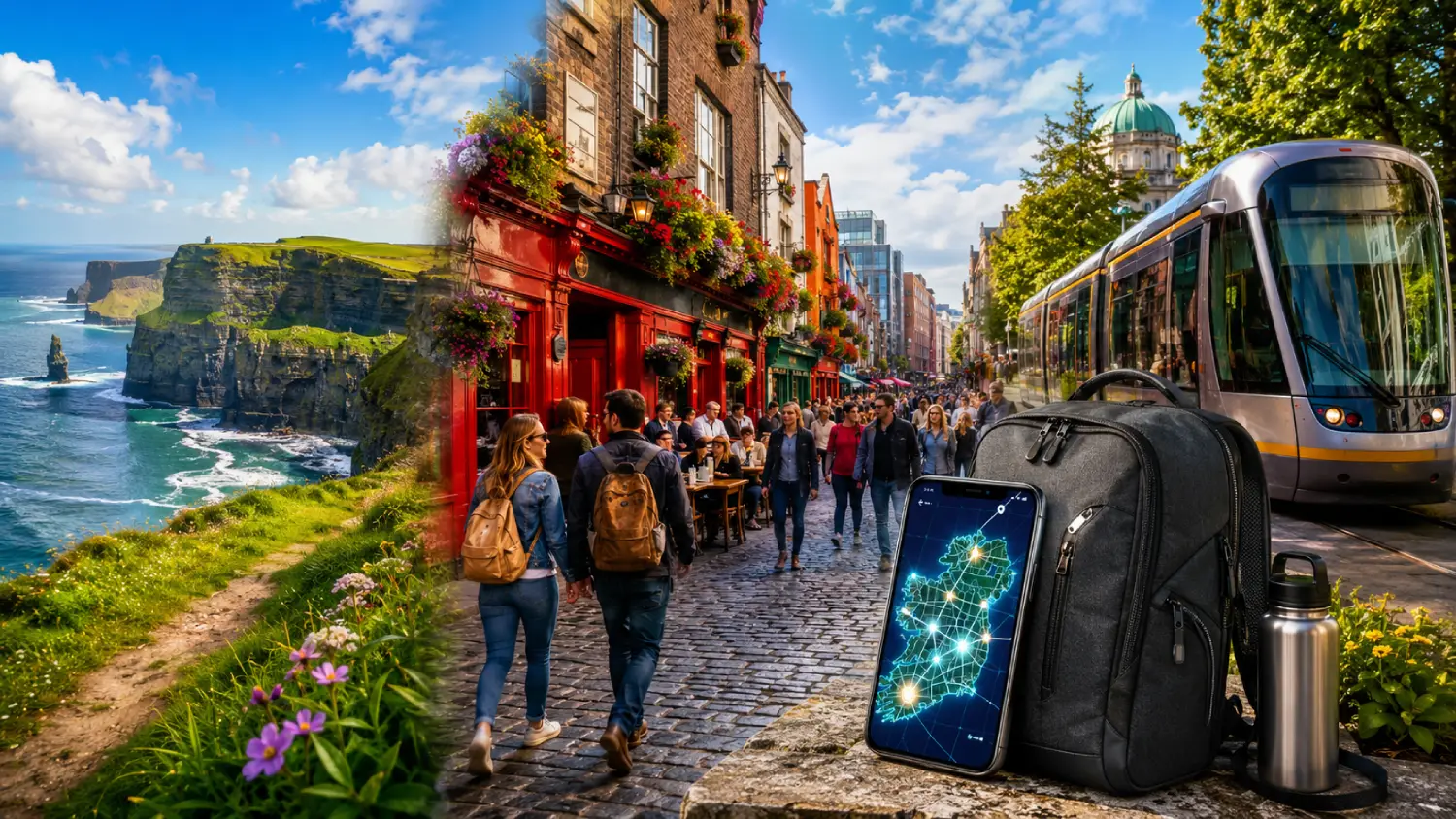
The short answer is a resounding Yes, Ireland is incredibly safe, but you need to pay attention. The days of wandering aimlessly through Dublin at 3:00 AM without a care in the world are fading. While you will not face cartel violence or military checkpoints, the modern dangers here are stealthy.
Tourists in 2026 are primarily targeted by aggressive pickpockets, opportunistic scammers, and rowdy late-night crowds fueled by alcohol. There has also been a slight rise in civil unrest and localized protests in the capital, catching unaware travelers off guard. If you step outside the major urban hubs, the risks shift entirely to unpredictable Atlantic weather and treacherous natural landscapes.
The key to a flawless Irish getaway is knowing exactly which neighborhoods to avoid after dark and how to blend in. You need to understand the local pub etiquette, master the public transit system, and secure your valuables in crowded tourist corridors. By stripping away the PR and preparing for the actual conditions on the ground, you can experience the legendary Irish hospitality without becoming a target.
The Current Reality: Protests, Pub Culture, and Petty Crime
Ireland consistently ranks as one of the safest countries in Europe, boasting a low violent crime rate that most global capitals envy. However, 2026 has brought a noticeable shift in the atmosphere of Dublin's city center. The post-pandemic economic squeeze and housing crisis have sparked occasional, unpredictable demonstrations and localized protests.
While these gatherings are rarely aimed at tourists, wandering into a tense crowd can quickly become a frightening experience. The police presence, known locally as the Gardaí, is generally adequate, but they advise visitors to actively avoid large, unscripted street gatherings. Furthermore, the sheer volume of tourists flooding into areas like Temple Bar has created a highly lucrative environment for petty criminals.
First-quarter statistics for 2026 revealed a sharp spike in pickpocketing and phone snatchings in central Dublin. Thieves often operate in coordinated groups, using distraction techniques outside busy pubs or while you are navigating cobbled streets with luggage. Beyond theft, you must also navigate strict local regulations; making sure you understand the Ireland Tourist Bans & Laws is essential to avoid crushing fines for things like public drinking or vaping.
Regional Breakdown: Safe Zones vs. Areas to Avoid
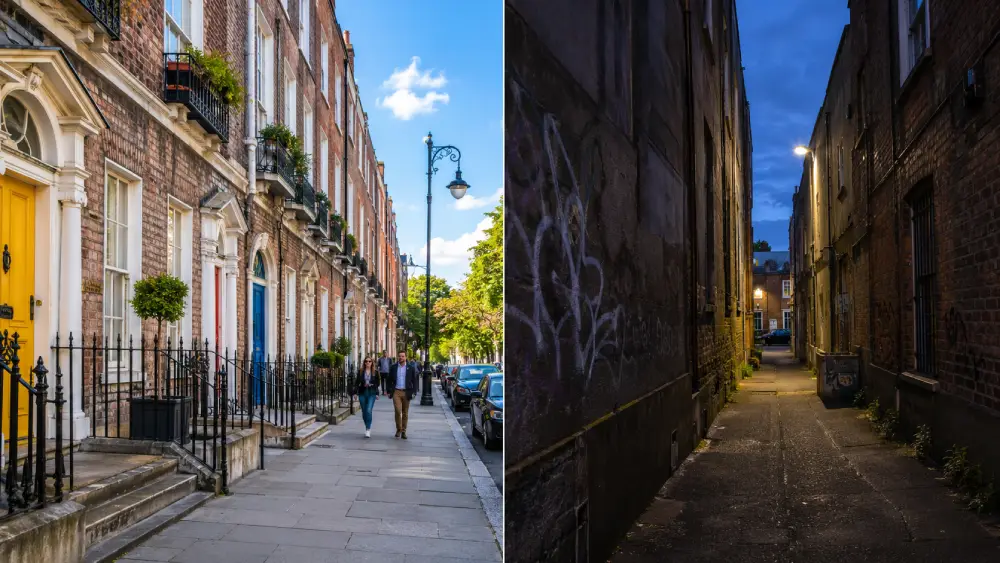
Ireland is geographically diverse, and the safety profile changes dramatically depending on whether you are in a bustling metropolis or a quiet rural village. In coastal towns, the west country, and smaller cities like Galway, Cork, and Kerry, the primary threat is usually just getting lost on a winding country road. The locals are famously helpful, and violent crime against tourists in these regions is virtually nonexistent.
Dublin, however, requires a completely different level of situational awareness. The city is broadly divided by the River Liffey, and while both sides have incredible attractions, they also harbor specific micro-neighborhoods that require extreme caution. Knowing exactly where to walk and where to catch a cab is your best defense against opportunistic crime.
Safest Tourist Areas:
-
South Georgian Dublin: Areas around Merrion Square, St. Stephen’s Green, and Fitzwilliam Square are highly affluent, well-lit, and incredibly secure.
-
The Docklands: The modernized Grand Canal Dock area is busy with tech workers, heavily surveilled, and safe for evening strolls.
-
Galway City Center: The bohemian heart of the west coast is heavily pedestrianized and generally features a very safe, community-policed nighttime economy.
Areas to Avoid (Especially After Dark):
-
Pearse Street District: Statistics consistently highlight this south inner-city zone as a high-crime hotspot. Avoid lingering here at night, even though it borders popular areas.
-
Store Street and The Boardwalk: The north inner city, particularly around Store Street and the Liffey Boardwalk, struggles with antisocial behavior, open substance abuse, and aggressive begging.
-
Late-Night Temple Bar: During the day, it is a tourist haven; after midnight, it transforms into a chaotic, heavily intoxicated zone where pickpockets thrive.
-
Suburban Outskirts: Areas like Tallaght, Clondalkin, Ballymun, and Finglas have higher general crime rates. Tourists have no reason to visit these residential zones, so simply stay away.
Transportation Safety: Transit, Taxis, and Winding Roads
Getting around Ireland is generally efficient and secure, but each mode of transport comes with its own set of unwritten rules. In major cities, the public transit networks, including the Luas (tram), DART (coastal train), and Dublin Bus, are the lifelines for locals and tourists alike. These services are clean, heavily monitored by CCTV, and exceptionally safe during daylight hours.
However, riding the Luas Red Line late at night can sometimes expose you to unpredictable antisocial behavior and rowdy crowds. If you are traveling alone after midnight, transitioning to a private ride is often the smarter, stress-free choice. Keep in mind that Uber operates differently here; you cannot order a standard private civilian car.
In Ireland, ride-sharing apps like Uber and Free Now strictly dispatch licensed, regulated taxis. This ensures a high level of safety and accountability, meaning you never have to worry about getting into an unvetted vehicle. If you decide to rent a car to explore the countryside, the greatest dangers are narrow, shoulderless roads, driving on the left side, and encountering wandering livestock around blind corners.
Transportation Golden Rules:
-
Use Free Now or Uber: Never hail a random, unlit cab on a dark street; always use the apps to ensure your driver is tracked and the fare is metered.
-
Sit Downstairs on Night Buses: If you must take a late-night bus, sit on the lower deck near the driver to avoid isolated, rowdy groups on the upper deck.
-
Rent a Smaller Car: American-style SUVs are a liability on narrow rural Irish roads; rent a compact car to avoid scraping stone walls.
-
Watch for Speed Vans: Speeding enforcement is incredibly strict, heavily automated by camera vans, and fines will be aggressively passed on by your rental agency.
Tourist Scams: The New 2026 Threats
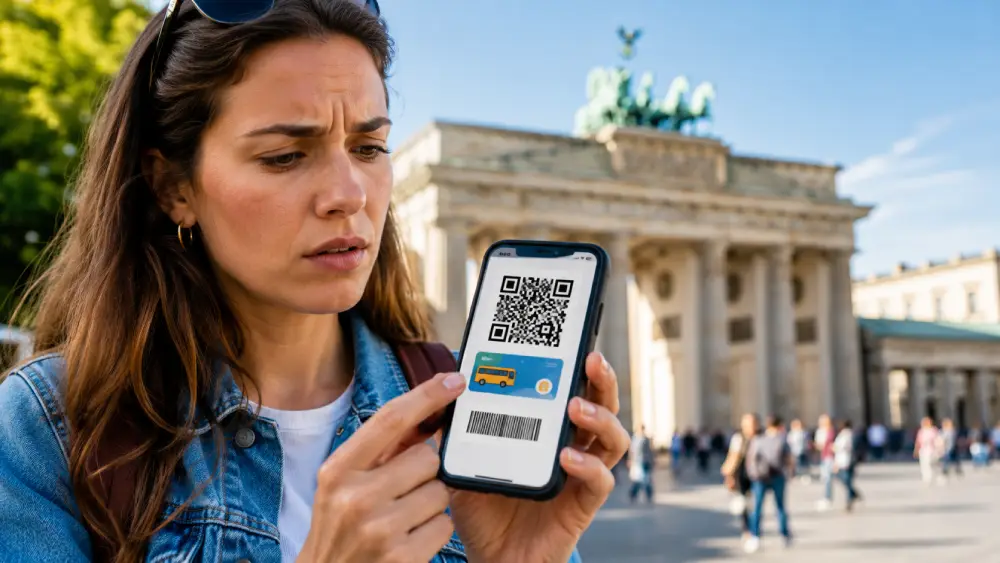
Irish locals are overwhelmingly honest, but the booming tourism industry has inevitably attracted professional scammers looking for an easy payday. These traps are rarely physically dangerous, but they can instantly ruin your vacation budget and leave you stranded. The most prevalent scams rely on distraction, confusion, and the naive trust of first-time visitors.
One major issue in 2026 involves sophisticated digital fraud targeting tourists before they even arrive. Scammers build incredibly convincing fake websites offering highly discounted tickets to sold-out attractions like the Guinness Storehouse, the Book of Kells, or Cliffs of Moher tours. By the time you reach the gate and realize the QR code is fake, the scammer has already vanished with your credit card details.
Another rapidly growing threat involves street-level distraction artists operating near major transit hubs like Heuston Station or the Temple Bar borders. A seemingly friendly stranger might approach you to point out bird droppings on your jacket, offering to help wipe it off. While you are flustered and looking down, their accomplice is quietly emptying your pockets and backpack.
Common Scams to Dodge:
-
The Fake Petition: Groups of teenagers or young adults will aggressively ask you to sign a charity petition, using the clipboard to block your view while they pickpocket you.
-
The Helpful ATM Local: Someone will hover near an ATM, warning you that the machine is glitchy and offering to "help" you push the buttons, attempting to scan your card or memorize your PIN.
-
The Counterfeit Accommodation: While mostly targeting international students, tourists booking long-term stays through unverified social media groups often arrive to find the apartment does not exist.
-
The Unmetered Taxi Run: A driver at a busy taxi rank might claim their meter is broken and quote an outrageously inflated flat cash fare for a short trip. Always demand the meter.
Women’s Safety & Solo Travel
Ireland is widely considered a premier destination for solo female travelers, offering a welcoming culture and a distinct lack of aggressive street harassment. The notorious "machismo" culture found in some other global destinations is simply not a factor here. You can comfortably dine alone, sit at a pub bar, and explore museums without drawing unwanted attention or feeling intimidated.
Irish pub culture is inherently social, and striking up a conversation with strangers over a pint is a celebrated tradition. However, this blurred line between friendliness and intrusion means you must still maintain firm boundaries. If a conversation becomes uncomfortable, a polite but firm exit is universally understood and respected by the locals.
Nightlife safety requires standard urban precautions, particularly in Dublin and Cork. Drink spiking is an unfortunate reality in crowded, chaotic nightclubs, so never leave your beverage unattended or accept a drink you did not see poured. Dress codes are generally relaxed and casual, but wearing practical, comfortable footwear is highly recommended for navigating treacherous cobblestone streets after dark.
Tips for Solo Female Travelers:
-
Buddy Up in Temple Bar: If you want to experience the chaotic late-night pub scene, try to join a reputable pub crawl or stick with a group from your hostel.
-
Trust the Bouncers: Pub security staff (doormen) in Ireland are strictly regulated and highly professional; if you feel harassed, immediately alert them, and they will intervene.
-
Share Your Location: Always keep your location sharing turned on with a trusted friend back home, especially when heading out for the evening or taking a long rural hike.
-
Avoid the Boardwalk at Night: The Liffey Boardwalk is poorly lit in sections and known for loitering groups; walk along the main, well-lit avenues instead.
Health, Tap Water & Nature
You can leave your heavy-duty medical kits and water purification tablets at home; Ireland boasts world-class sanitation and a highly modern healthcare system. In nearly every hotel, restaurant, and public facility across the country, the tap water is completely safe, highly regulated, and heavily treated. You can drink straight from the sink in Dublin without a second thought.
However, if you are venturing into deeply rural areas or renting an isolated cottage in the countryside, the water supply might come from a private well. In these specific, localized instances, the county council may occasionally issue temporary "boil water notices" following heavy agricultural runoff or severe storms. Always ask your rural Airbnb host if the tap water is safe before filling your bottle. Before you travel, also be sure to check the Ireland Airport Customs Rules to ensure your personal prescription medications are permitted into the country.
The true physical dangers in Ireland come from the dramatic, unforgiving natural landscape and the notoriously aggressive Atlantic weather systems. 2026 has seen multiple severe weather warnings for the western counties, featuring driving rain and coastal winds exceeding 80 kilometers per hour. Tourists routinely underestimate the power of nature here, leading to tragic, entirely preventable accidents along the coastal cliffs.
Nature and Health Survival Guide:
-
Respect the Cliff Edges: Never cross safety barriers at the Cliffs of Moher or Slieve League for a selfie; unpredictable wind gusts can easily blow a grown adult over the edge.
-
Watch for Sneaker Waves: The Atlantic Ocean is violently unpredictable; never turn your back on the sea while walking on rocky shores or isolated beaches.
-
Layer Your Clothing: Hypothermia is a real risk if you get soaked on a remote hike; always carry high-quality waterproof gear, regardless of how sunny the morning looks.
-
Carry an EHIC Card: If you are an EU citizen, your European Health Insurance Card guarantees access to state healthcare; non-EU travelers must ensure they have comprehensive travel medical insurance.
The Ultimate Safety Tool: Staying Connected
When navigating a foreign country, a severed internet connection is a massive security liability. Relying on unpredictable cafe Wi-Fi leaves you vulnerable to data interception and completely helpless if you take a wrong turn down a dark Dublin alley. In an emergency, you need instant, uncompromised access to digital maps, ride-sharing apps, and emergency translation tools.
The fastest way to secure your digital perimeter is by downloading an Ireland eSIM before your plane even touches the tarmac. This technology instantly bypasses the need to hunt for physical SIM vendors at Dublin Airport or fiddle with tiny plastic chips while balancing your luggage. With a secure, localized data connection, you can instantly verify a taxi's route, cross-reference a suspect tour company, and contact the Gardaí without missing a beat.
If you are unsure of the technical logistics, reviewing a comprehensive guide on How to Get Internet in Ireland will clarify exactly which digital plan suits your itinerary. To ensure maximum coverage even in the remote highlands of Connemara, many travelers look to find the Best eSIM for Ireland. Stay connected, stay alert, and stay off open public networks.
Official Travel Advisories (2026 Update)
Global governments constantly monitor the security landscape, and their 2026 assessments confirm Ireland's status as a highly secure destination. While the risk of terrorism or severe violence is incredibly low, official advisories universally highlight the need for situational awareness in urban centers.
-
United States (State Department): Currently maintains a Level 1 advisory, the lowest possible risk tier. They simply advise citizens to exercise normal precautions, with specific warnings to monitor local media and avoid large protest gatherings in Dublin.
-
United Kingdom (FCDO): Advises that the security situation is stable and standard travel precautions apply. They highlight the risk of petty crime in tourist hotspots and urge visitors to secure their passports and valuables.
-
Canada (Global Affairs Canada): Recommends taking normal security precautions. They specifically note the recent uptick in minor street crime in central Dublin and advise travelers to be vigilant around ATMs and transit hubs.
The Verdict: Is Ireland Safe?
Yes, Ireland remains one of the safest and most welcoming tourist destinations on the planet in 2026. The undeniable charm of the country, the warmth of its people, and the breathtaking landscapes far outweigh the localized urban annoyances. As long as you respect the raw power of the Atlantic coast and maintain basic city street smarts in Dublin, your trip will be incredibly secure.
By treating the capital city with the same cautious respect you would give to New York or London, you completely neutralize the threat of pickpockets and scammers. Keep your digital guard up, avoid chaotic late-night zones, and embrace the legendary pub culture responsibly.
Golden Rules for 2026:
-
Zip It Up: Never keep your wallet, phone, or passport in a loose jacket or back pocket while navigating crowded streets or standing outside busy pubs.
-
Bypass the Boardwalk: Avoid walking along the north inner-city Liffey Boardwalk and Store Street, especially after the sun goes down.
-
Respect the Wind: Treat coastal cliffs and rocky beaches with extreme caution; stay behind the barriers and never underestimate sudden Atlantic gusts.
-
Always App Your Rides: Stick to Free Now or Uber to guarantee licensed, tracked, and safely metered taxi rides home from the pub.
-
Stay Digitally Armed: Download an eSIM before arrival so you always have access to offline maps, emergency numbers, and a guaranteed connection away from sketchy public Wi-Fi.
Note: Travel safety situations can change rapidly. This information is accurate as of May 2026. Always exercise street smarts and consult official advisories before your trip.
'/%3e%3cpath d='M200 752.362h200v300H200z' style='fill:%23fff;fill-opacity:1;stroke:none' transform='translate(0 -752.362)'/%3e%3cpath d='M400 752.362h200v300H400z' style='fill:%23ff883e;fill-opacity:1;stroke:none' transform='translate(0 -752.362)'/%3e%3c/svg%3e)