

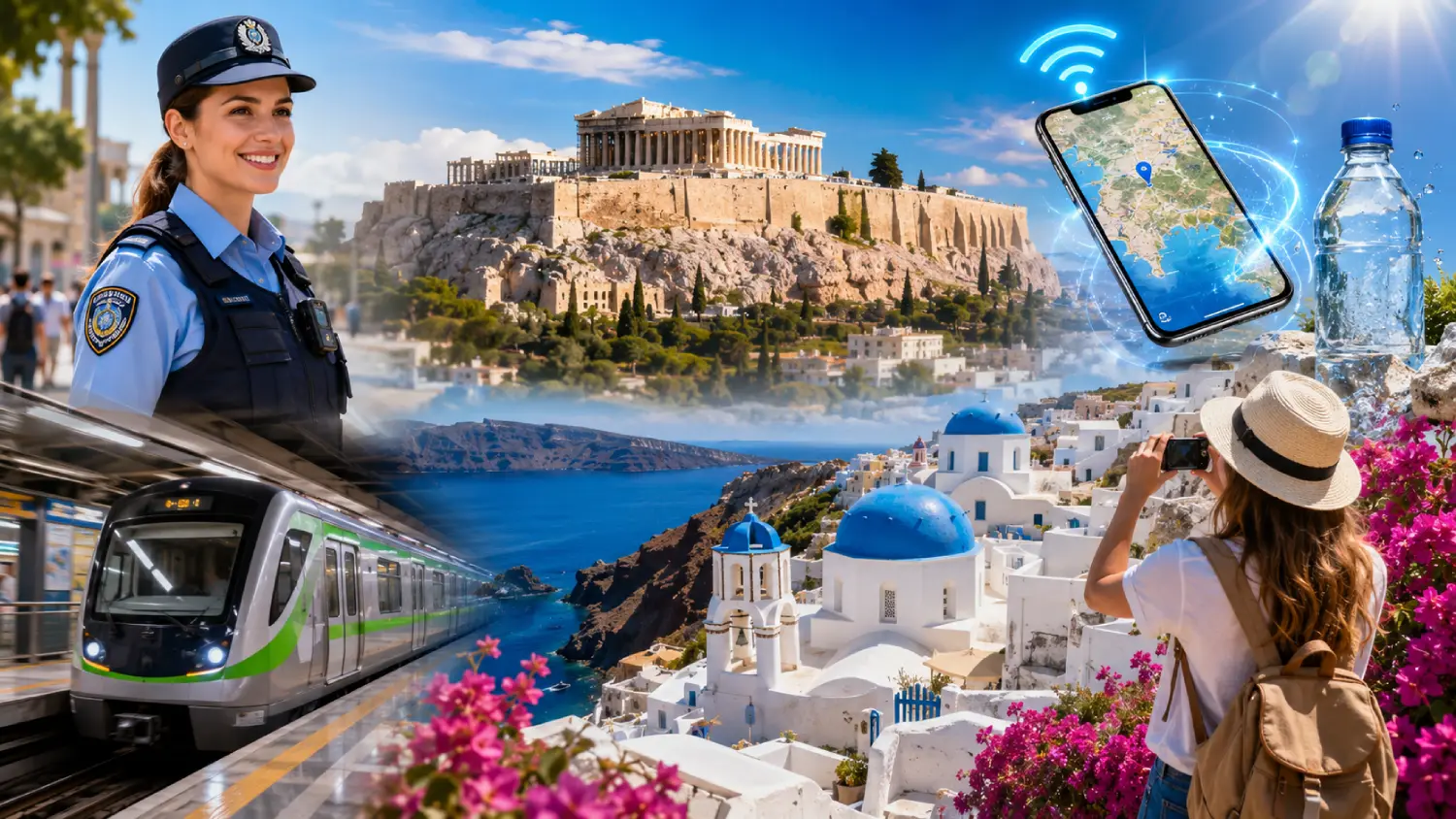

The short answer is yes, Greece is highly safe for tourists. In fact, it remains of the safest destinations in Europe. The U.S. State Department maintains a Level 1 advisory, meaning you simply need to exercise normal precautions.
However, "safe" does not mean "risk-free." The dangers have shifted from major security threats to sophisticated tourist scams and environmental hazards like extreme summer wildfires. Knowing what to expect before you clear customs—and knowing the Greece Airport Customs Rules—will ensure your trip remains memorable for the right reasons.
The Current Reality: Politics, Police & The Streets
Greece is a stable democracy, but it has a very active protest culture. Strikes and demonstrations are common, particularly in Athens and Thessaloniki. These are usually peaceful but can disrupt public transport, taxis, and flights with very little notice.
Protests and Strikes:
-
Large-scale political demonstrations happen frequently in major squares like Syntagma or Omonia in Athens.
-
Anniversaries of historical events or tragedies, such as the 2023 Tempi train crash, often trigger widespread marches and increased police presence.
-
If you see a protest forming, walk the other way; riot police frequently use tear gas to disperse crowds if tensions rise.
Crime and Law Enforcement:
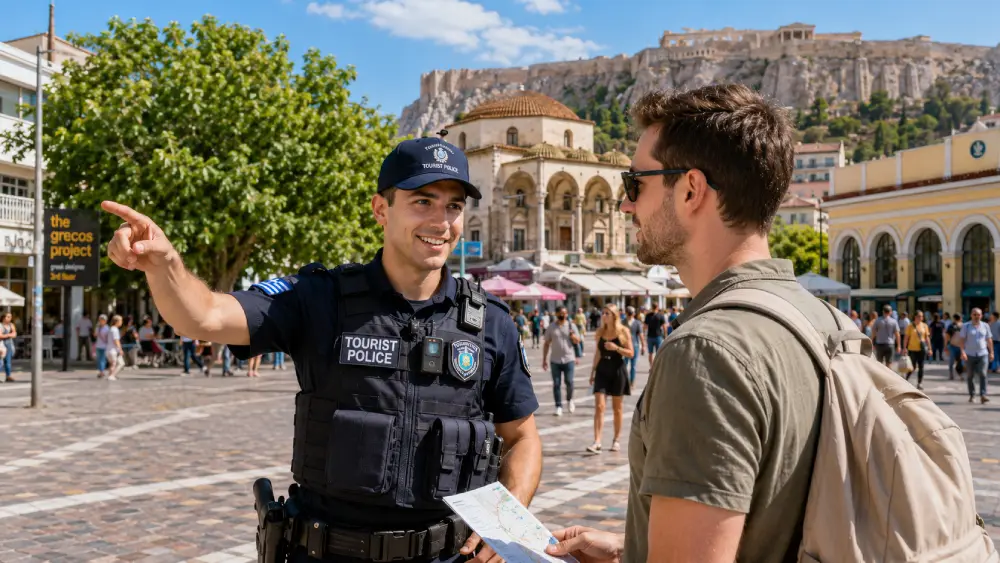
Violent crime against tourists is incredibly rare. The Hellenic Police are generally helpful, and there is a dedicated Tourist Police force in major hubs that speaks English. However, pickpocketing and bag snatching are a daily reality in crowded tourist zones.
Understanding local regulations is just as important as avoiding crime. Tourists have been heavily fined for unknowingly breaking local ordinances, so reviewing the Greece Tourist Bans & Laws is highly recommended.
Regional Breakdown: Safe Zones vs. Areas to Avoid
Greece is vast, ranging from chaotic urban centers to isolated, sleepy islands. Safety profiles change drastically depending on where you drop your bags.
Athens - The Good and The Bad:
Athens is generally safe during the day, but certain neighborhoods require heightened awareness.
-
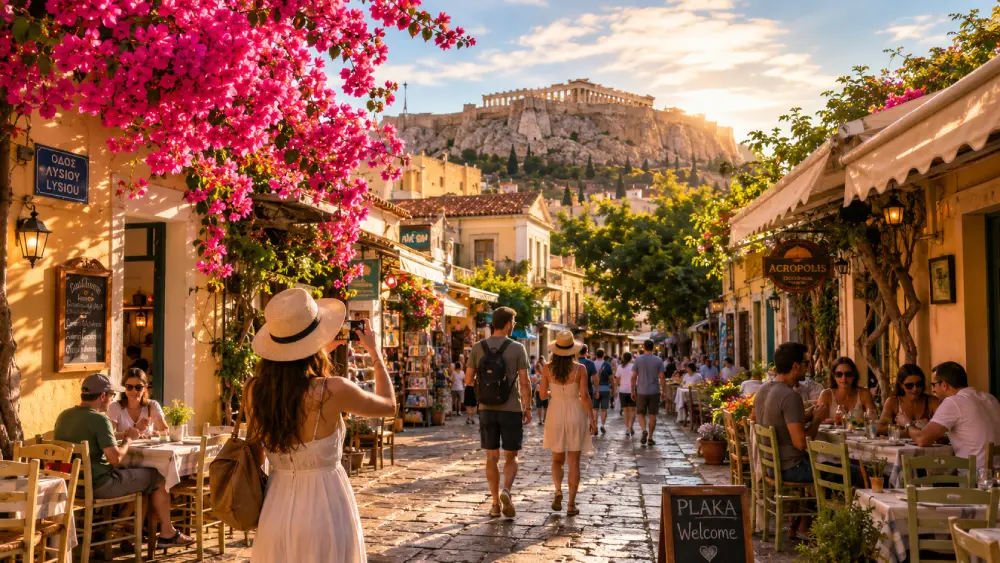
Safe Zones: Plaka, Monastiraki, and Kolonaki are heavily policed, well-lit, and safe for wandering, even in the evening.
-
Areas to Avoid at Night: Exercise extreme caution around Omonia Square, Exarcheia, and the train stations after dark. These areas see higher rates of petty crime, drug activity, and occasional clashes between activists and police.
The Greek Islands:
Islands like Santorini, Mykonos, and Crete are incredibly safe regarding violent crime. The biggest risks here are related to reckless driving, excessive alcohol consumption, and spiked drinks at high-energy beach clubs.
Rural and Mainland Greece:
The mountainous regions and lesser-known mainland areas are exceptionally peaceful. The primary dangers here are environmental, such as getting lost on unmarked trails or facing extreme summer heat.
Transportation Safety: Navigating the Chaos
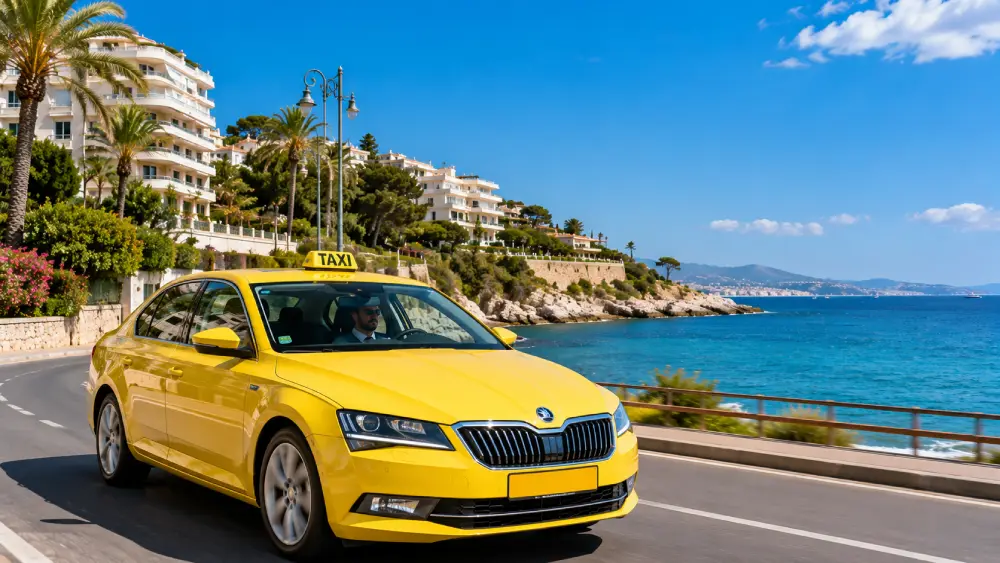
Getting around Greece can be an adventure in itself. Traffic laws are often viewed as suggestions by locals, making the roads chaotic for unaccustomed visitors.
Taxis and Ride-Sharing:
-
Ride-hailing apps like Uber (which operates using licensed taxis in Greece) or local app FreeNow are the safest options. They track your route and prevent overcharging.
-
Street-hailed taxis are generally safe, but always ensure the meter is running. Refuse the ride if the driver claims the meter is broken or tries to negotiate a flat cash rate.
-
Late at night, especially after drinking on the islands, never accept rides from unlicensed, unmarked drivers offering cheap fares.
Public Transit (Metro and Buses):
The Athens Metro is modern, clean, and efficient, but it is the absolute epicenter for pickpocketing. Rings of organized thieves operate on the trains connecting the airport to the city center. Keep your bags locked, hold them in front of you, and ignore anyone trying to create a sudden distraction near the train doors.
Renting Cars, ATVs, and Scooters:
Renting an ATV on the islands is a tourist rite of passage, but it is statistically of the most dangerous things you can do.
-
Small, unlicensed rental agencies often rent out poorly maintained vehicles. Always inspect the brakes and tires before signing a contract.
-
The roads on islands like Mykonos or Santorini are narrow, winding, and full of blind corners.
-
Never drink and drive; police set up frequent checkpoints, and accidents involving tourists on quad bikes happen daily.
Tourist Scams: The New Threat in 2026
Scammers in Greece are not violent, but they are incredibly persuasive. Keep your guard up against these common financial traps.
The Bar Extortion Scam:
Friendly locals may invite you to a hidden bar for a drink or to meet some friends. inside, you are served standard drinks but are eventually handed a bill for hundreds of euros. Bouncers will physically block the exit until you pay, so you must stick to well-reviewed establishments.
Fake Petitions and Distractions:
Groups of children or women may approach you with a clipboard asking for a signature for a charity. While person distracts you with the clipboard, another is emptying your pockets. Do not engage; just keep walking and firmly hold your belongings.
The "Helpful" Luggage Carrier:
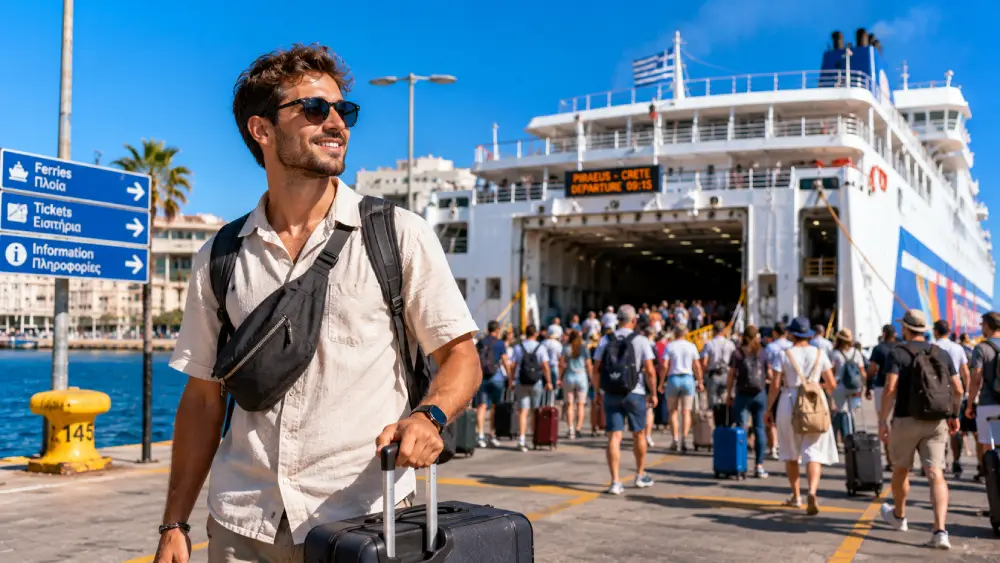
At ferry ports like Piraeus, someone might grab your bag to "help" you board the ferry. They will then demand an exorbitant tip for their services and cause a scene if you refuse. Maintain a firm grip on your luggage at all times.
If you are doing some serious shopping, don't let a scam ruin your budget. Make sure you understand the Greece VAT Refund so you can legitimately get your tax money back at the airport.
Women’s Safety & Solo Travel
Greece is a fantastic destination for solo female travelers. The culture is welcoming, and the streets are generally filled with people late into the evening.
Navigating Local Culture:
While aggressive "Machismo" culture isn't as prevalent as in other parts of the world, Greek men can be very forward. Catcalling or persistent flirting can happen, especially in local bars or less touristy neighborhoods. A firm "no" and walking away is usually enough to end the interaction safely.
Nightlife Precautions:
-
Never leave your drink unattended at beach clubs in Mykonos, Zakynthos, or Ios. Drink spiking is a known issue in heavy party zones and usually targets foreigners.
-
Avoid walking alone on unlit beaches or quiet coastal roads after dark.
-
Use licensed taxi apps to get back to your hotel rather than walking long distances at night.
Health, Tap Water & Nature
The natural beauty of Greece comes with its own set of seasonal hazards. Being prepared can save your trip and keep you out of the local clinics.
Tap Water and Food Safety:
In Athens and major mainland cities, the tap water is perfectly safe to drink. However, on most islands, the tap water is brackish and strictly for washing; you must stick to bottled water. Food hygiene standards are very high across the country, so eating at local tavernas is generally very safe.
The Summer Wildfire Threat:
Due to extreme summer heatwaves, wildfires are a massive threat from June through September.
-
Monitor local news and government alerts daily, especially if staying in a remote villa surrounded by brush.
-
Have an evacuation plan and keep your phone charged in case the power goes out.
-
Never throw cigarette butts out of car windows, as this frequently sparks devastating and deadly fires.
Marine and Beach Hazards:
The Aegean Sea is beautiful but commands respect. Always obey warning flags on beaches, as rip tides can be unexpectedly strong during windy days. Watch your step in shallow rocky waters, as stepping on a sea urchin will guarantee a painful end to your beach day.
The Ultimate Safety Tool: Staying Connected
When navigating a foreign country, a reliable internet connection is your greatest safety asset. Having immediate access to Google Maps prevents you from wandering into sketchy neighborhoods or getting lost on a remote island.
A local data plan allows you to instantly translate warning signs, call an Uber to escape an uncomfortable situation, or contact the Tourist Police in an emergency. Relying on public Wi-Fi at cafes leaves you vulnerable to data hacking and is useless when you are stranded on the side of a coastal road.
Need data in Greece? Get an eSIM!
Choose the perfect data plan for your trip

Manage your eSIM in the app
Install, top up and track data.
For the most secure and reliable connection, a Greece eSIM is essential. It keeps you connected the second your plane lands and helps you avoid unsecured networks. If you are unsure which plan to choose, reading the Best eSIM for Greece will point you in the right direction.
You can also compare all your local connectivity options in our comprehensive guide on How to Get Internet in Greece.
For instant, secure access, grab your Greece eSIM right here before you fly.
Official Travel Advisories (2026 Update)
Global governments agree that Greece is a safe destination, provided you use common sense. Here is the current consensus for 2026:
-
United States (State Department): Level 1 - Exercise Normal Precautions. The U.S. notes that petty crime is common in tourist areas and warns about potential travel disruptions from spontaneous political demonstrations.
-
Canada: Take normal security precautions. The Canadian government highlights the risk of pickpocketing on public transit, drink spiking on party islands, and the severe seasonal threat of wildfires.
-
United Kingdom (FCDO): The UK advises its citizens to be vigilant against theft in crowded areas. They also warn of the severe penalties for indecent behavior and emphasize extreme caution when renting mopeds or ATVs.
The Verdict: Is Greece Safe?
Greece is absolutely safe for tourists in 2026. The risks of violent crime are incredibly low, and the primary threats—pickpocketing, overcharging scams, and summer heat—are easily managed with basic street smarts. By staying alert in crowds, using official transportation, and respecting the power of the summer sun, your Greek holiday will be smooth and secure.
Golden Rules for 2026:
-
Keep your wallet in your front pocket and secure your bags tightly on the Athens Metro.
-
Never rent an ATV or scooter without thoroughly checking the equipment and wearing a helmet.
-
Only use licensed taxi apps like Uber or FreeNow; avoid unmarked cabs at all costs.
-
Stick to bottled water on the islands, even if the mainland tap water is perfectly safe.
-
Stay connected with an eSIM to access maps, translation apps, and emergency services instantly.
Note: Travel safety situations can change rapidly. This information is accurate as of May 2026. Always exercise street smarts and consult official advisories before your trip.