


The short answer is absolutely yes. Finland consistently ranks among the most secure destinations globally for travelers, but the nature of its threats has evolved. Violent street crime is exceptionally rare, yet geopolitical shifts have prompted indefinite border closures, and cyber-criminals have ramped up their efforts to target tourists. Understanding the nuances of Finnish safety—from surviving Arctic conditions to dodging local phishing attacks—will guarantee a stress-free trip.
The Current Reality: Closed Borders & Zero-Tolerance Policing
Finland’s reputation as a hyper-safe utopia is largely accurate, but the geopolitical landscape shifted dramatically after the country tightened its eastern flank. As of 2026, all land border crossings with Russia are indefinitely closed to prevent hybrid threats and manage national security. You will not stumble into any armed conflicts, but military preparedness and border police presence are noticeably higher than in previous decades.
Violent crime against tourists is almost non-existent. The Finnish police are highly trusted, strictly unbribable, and patrol efficiently without being overly militarized in city centers. You must carry your passport or a valid ID at all times, as spot checks can happen, especially near transit hubs and northern tourist sectors.
Petty theft does happen in major cities, but it is opportunistic rather than organized. Pickpockets operate mainly during the busy summer tourist season in Helsinki’s market squares. Make sure you brush up on our Finland Tourist Bans & Laws: Things Not To Do guide to avoid accidental fines, as authorities have absolute zero tolerance for public disturbances.
Regional Breakdown: Helsinki Highlights vs. The Eastern Frontier
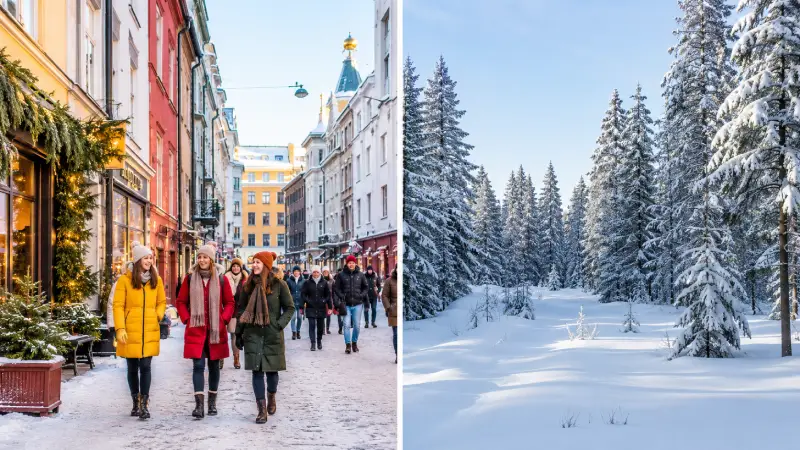
Finland is incredibly safe from top to bottom, but different regions present distinct environmental and situational risks.
Safe Zones You Can Enjoy Freely:
-
Central Helsinki: Neighborhoods like Punavuori, Töölö, and the Design District are impeccably safe day and night.
-
Finnish Lapland: Rovaniemi and Levi are heavily geared toward tourists with fantastic infrastructure. The primary threats here are weather-related, not criminal.
-
The Archipelago: Turku and the Åland Islands are tranquil, family-friendly, and virtually crime-free.
Areas with Nuanced Risks:
-
The Russian Border Zone: The entire eastern border is strictly closed and heavily monitored. Do not attempt to hike or drive near the border zone out of curiosity, as trespassing will result in immediate arrest.
-
Kallio District (Helsinki): a gritty working-class area, it is now a trendy nightlife hub. It is generally safe, but late-night rowdiness means you should keep your wits about you after 2:00 AM.
-
Helsinki Central Railway Station: Late at night, the immediate vicinity can attract pickpockets targeting confused tourists arriving on late trains.
Transportation Safety: Flawless Transit & Winter Driving Hazards
Getting around Finland is generally a masterclass in efficiency and safety. The public transit system in Helsinki is spotless, secure, and heavily monitored by cameras. You can confidently ride the metro alone at night without a second thought.
Taxis are heavily regulated, safe, and metered, though they are exceptionally expensive. Ride-sharing apps like Uber operate safely in major cities, providing transparent pricing and GPS tracking. However, out in rural Lapland, you will need to rely on pre-booked transport or organized tours, as ride-sharing is virtually non-existent.
If you plan to rent a vehicle, the roads are perfectly maintained, but winter driving is treacherous. Between November and April, black ice, sudden blizzards, and wandering reindeer cause severe accidents. If you are not experienced with sub-zero driving and studded tires, stick to public transport and domestic flights.
Tourist Scams: The Digital Deception of 2026
Because physical crime is so low, criminals in Finland have moved entirely. You will not get mugged in an alleyway, but your phone might be heavily targeted by sophisticated phishing campaigns.
Common Finnish Traps to Avoid:
-
The Fake Posti/Customs Text: You will receive a highly convincing SMS claiming your package or luggage is held up at customs, requiring a small fee via a malicious link. Never click these links.
-
Fake Lapland Tour Operators: With the aurora borealis boom, fake websites offer "exclusive" glass igloos or husky safaris that do not actually exist. Always verify operators through official tourism boards.
-
Counterfeit Snus & Alcohol Sales: Buying cheap alcohol or snus from unauthorized street vendors is illegal and dangerous. Always buy from official stores and understand the Finland Airport Customs Rules before you fly.
-
Online Romance Scams: Scammers impersonate locals on dating apps, eventually asking for emergency funds via wire transfer before you even meet them.
Women’s Safety & Solo Travel: The Ultimate Solo Destination
Finland consistently ranks as a top-tier destination for solo female travelers in 2026. The culture is deeply rooted in gender equality, and public harassment or catcalling is incredibly rare. You can comfortably walk alone through Helsinki at night without looking over your shoulder.
Nightlife is safe, and the aggressive "machismo" culture found in some other regions simply does not exist here. Finns highly value personal space, meaning strangers are unlikely to approach you unprompted. If you do need help, locals are famously polite and almost all speak fluent English.
The cultural shock might be the traditional sauna culture, which involves public nudity. However, saunas are strictly separated by gender unless you book a private, and inappropriate behavior in a sauna is a massive cultural taboo.
Health, Tap Water & Nature: Pure Springs & Arctic Freezes
Finland boasts some of the cleanest tap water on the planet. You can—and absolutely should—drink straight from the sink anywhere in the country. The healthcare system is world-class, but tourists outside the EU should secure comprehensive travel insurance, as out-of-pocket medical costs are high.
Nature presents the greatest actual threat to tourists. In the summer, the dense forests are home to ticks carrying Lyme disease and Tick-borne encephalitis (TBE). If you are hiking in the Archipelago or eastern lake districts, check your skin daily and wear insect repellent.
In the winter, the extreme cold is a silent killer. Temperatures in Lapland regularly plummet below -20°C. Frostbite and hypothermia can set in rapidly if you are improperly dressed, so never venture into the wilderness without notifying someone and carrying offline maps.
The Ultimate Safety Tool: Staying Connected
A reliable mobile connection is your greatest safety asset in Finland. Whether you need to hail an emergency ride in a blizzard, translate a warning sign, or navigate dense forests, losing your signal is not an option. Relying on public Wi-Fi exposes you to the digital theft and phishing scams that are highly prevalent in 2026.
Need data in Finland? Get an eSIM!
Choose the perfect data plan for your trip

Manage your eSIM in the app
Install, top up and track data.
Using a secure Finland eSIM ensures you have encrypted, high-speed 5G data from the moment you land. This allows you to safely access banking apps and digital maps without the risk of public network hacking. If you are unsure which option fits your trip, read our complete guide on How to Get Internet in Finland.
Make sure you compare providers before departure to avoid dead zones in the Arctic circle. Check out our detailed breakdown of the Best eSIM for Finland to find the most reliable connection for your adventure.
Official Travel Advisories
Global authorities universally recognize Finland as a highly secure destination. Here is what major governments currently advise:
-
United States (State Department): Ranks Finland as Level 1 (Exercise Normal Precautions). They highlight the exceptionally low crime rate but warn against sophisticated financial scams targeting foreigners.
-
United Kingdom (FCDO): Advises standard safety precautions. They specifically emphasize the permanent closure of all Russian border crossings and warn travelers not to approach the eastern border zone.
-
Canada: Maintains a "Take normal security precautions" advisory. They note that petty crime like pickpocketing can occasionally occur in busy tourist areas and advise vigilance during the peak summer months.
The Verdict: Is Finland Safe?
Finland remains an exceptionally safe, well-governed, and pristine destination for tourists in 2026. Your physical safety is virtually guaranteed by excellent infrastructure, honest policing, and a highly respectful local culture. The real challenges are environmental and digital. If you respect the brutal winter climate, stay away from the closed eastern borders, and remain skeptical of unexpected text messages, your Finnish adventure will be entirely worry-free.
-
Respect the Border: Do not travel near the closed Russian land border; trespassing is a severe offense that will ruin your trip.
-
Layer Up: Winter in Lapland is no joke; invest in extreme-cold thermal gear to prevent frostbite and hypothermia.
-
Beware Digital Phishing: Ignore random texts about parcel deliveries or customs fees, as digital scams are the primary crime affecting travelers here.
-
Drink the Tap Water: Save money and the environment; Finnish tap water is safer and cleaner than bottled water.
-
Watch for Wildlife: If driving in rural areas, remain constantly alert for moose and reindeer crossing the dark, icy roads.
Note: Travel safety situations can change rapidly. This information is accurate as of July 2026. Always exercise street smarts and consult official advisories before your trip.