

'/%3e%3c/svg%3e)
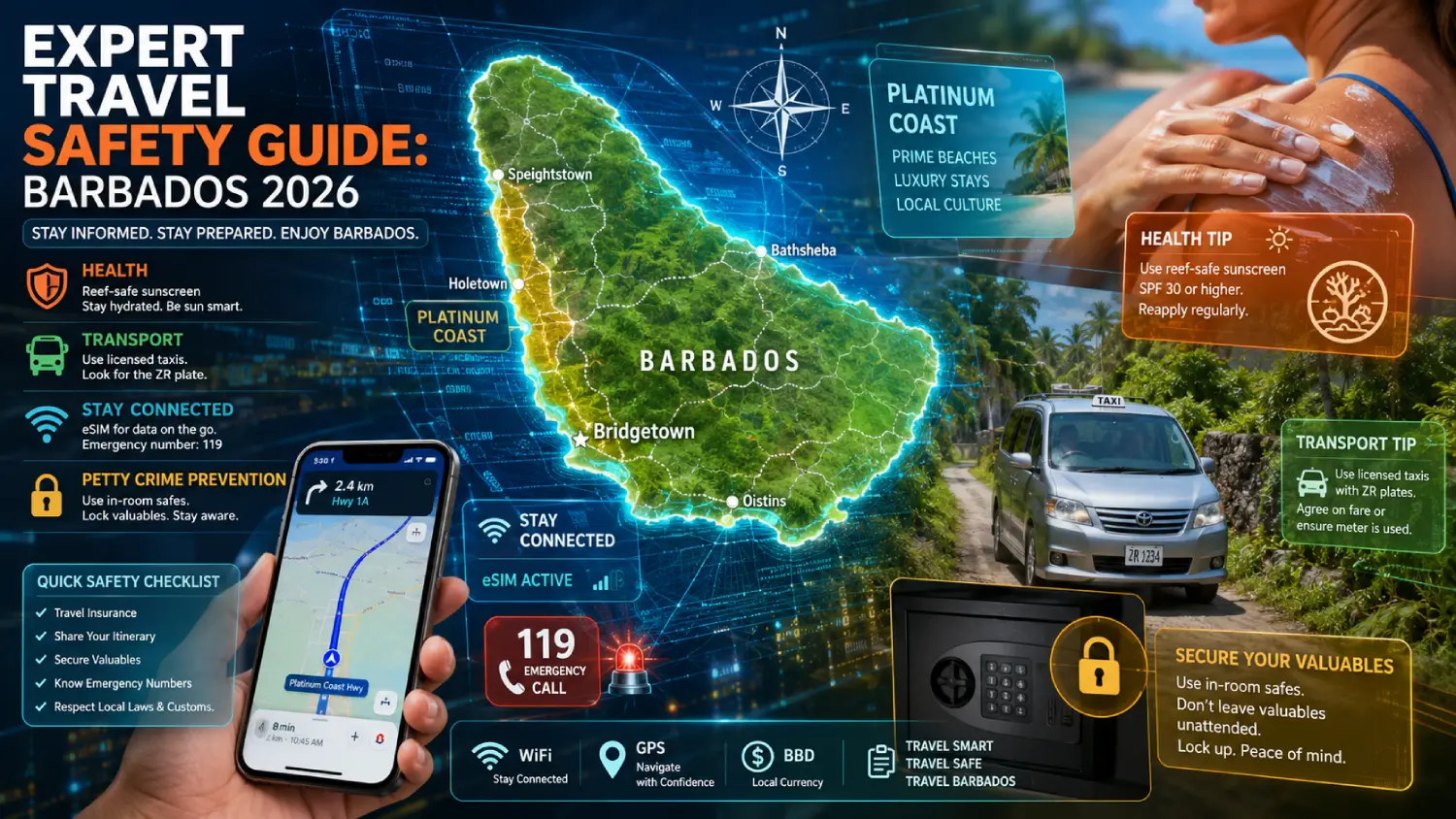
The short answer is yes, Barbados remains of the safest destinations in the Caribbean for international travelers. The U.S. State Department currently assigns the island a Level 1 advisory, which simply means you need to exercise normal precautions. However, safety is not a guarantee just because you are staying at a high-end resort on the Platinum Coast.
Over the last few years, the nature of the threat has shifted slightly. While you do not have to worry about the cartel violence seen in other parts of Latin America, you do need to be hyper-aware of your belongings. Most crimes involving foreigners are strictly crimes of opportunity, such as snatch-and-grab thefts. If you leave a designer bag unattended on the sand, it will likely disappear.
Understanding the local laws is just as important as watching your wallet. Before packing your bags, you must review the Barbados Tourist Bans & Laws guide to ensure you don't accidentally commit a crime. Camouflage clothing, for instance, is strictly prohibited for civilians. Knowing these nuances separates a seasoned traveler from a vulnerable tourist.
The Current Reality (Politics & Gangs/Cartels/Crime)
Barbados enjoys a highly stable political environment with a fully functioning democracy. You will not encounter the severe government instability or massive violent protests that plague some other tourist hotspots. The local police force, the Royal Barbados Police Force, is generally professional, visible, and responsive to tourist emergencies.
That being said, the island is not entirely free from violent crime. There has been a slight uptick in localized gang-related incidents involving firearms. Fortunately, these issues are heavily concentrated in residential neighborhoods far away from the standard tourist circuits. As a visitor, the likelihood of getting caught in the crossfire is extremely low unless you venture into known bad areas looking for illegal substances.
The real day-to-day threat for visitors is petty theft. Pickpocketing is common in crowded areas like Bridgetown, at busy bus terminals, and during major festivals.
-
Keep a low profile: Do not flaunt expensive jewelry or oversized DSLR cameras in busy markets.
-
Secure your doors: Always lock your villa or hotel room doors, and use the safe for your passport.
-
Mind your bags: Never hang your purse on the back of a chair at an outdoor restaurant.
-
Know the imports: Familiarize yourself with the Barbados Airport Customs Rules so you don't face hefty fines upon arrival.
Regional Breakdown (Safe Zones vs. Areas to Avoid)
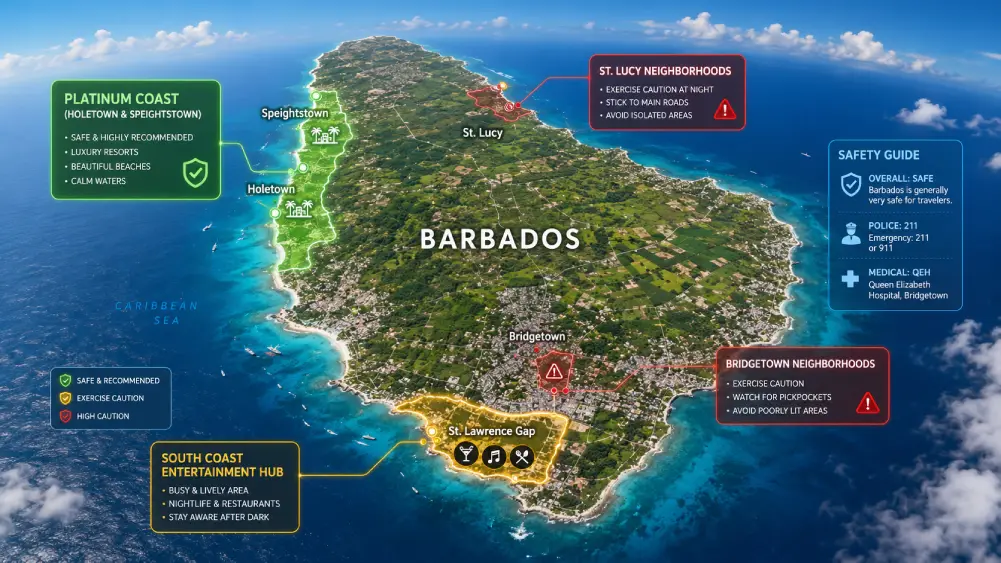
Barbados is generally a welcoming island, but like any destination, geography dictates your safety level. The West Coast, affectionately known as the Platinum Coast, is the safest and most affluent region. Towns like Holetown and Speightstown are heavily patrolled and cater almost exclusively to luxury tourism.
The South Coast, including areas like St. Lawrence Gap and Oistins, is the island's entertainment hub. This area is generally safe during the day and early evening, but the vibrant nightlife attracts opportunistic thieves. You need to maintain situational awareness when leaving bars late at night. Never wander the dark beaches of the South Coast after midnight, as this is a prime spot for muggings.
While most of the island is safe to explore, there are specific residential zones where tourists simply have no business going.
-
Safe Zone - Holetown: Pristine, heavily monitored, and excellent for luxury shopping and dining.
-
Safe Zone - Speightstown: A quiet, charming area on the northwest coast with a very low crime rate.
-
Caution Zone - Bridgetown at Night: The capital is bustling and safe by day, but empties out after dark. Avoid walking aimlessly here at night.
-
No-Go Zone - Nelson Street (Bridgetown): Known for higher crime rates and illicit activities.
-
No-Go Zone - Crab Hill (St. Lucy): A residential area with a history of localized gang friction.
Transportation Safety
Getting around Barbados is a unique adventure, but it comes with distinct safety challenges. The public bus system, consisting of large blue government buses and private yellow minibuses (ZR vans), is cheap and efficient. However, the ZR vans are notorious for erratic driving, loud music, and severe overcrowding. While they are a fun cultural experience, keep a tight grip on your belongings, as pickpockets operate easily in the cramped conditions.
Driving yourself is generally safe, provided you are comfortable driving on the left side of the road. The real danger emerges when you leave the main highways. Rural roads are incredibly narrow, often lack adequate street lighting, and are riddled with blind curves and deep potholes. Driving in the countryside at night is highly discouraged due to the risk of accidents with pedestrians or stray animals.
Taxis are the safest way to navigate the island after dark, but they are not metered.
-
Always use licensed taxis: Look for the "Z" on the license plate to confirm it is an official taxi.
-
Agree on the fare: Negotiate and confirm the total price before you put your luggage in the trunk.
-
Avoid night driving: If you rent a car, aim to complete your cross-island journeys before the sun sets.
-
Carry small bills: Have exact change ready to avoid flashing large wads of cash when paying for transport.
Tourist Scams (The New Threat)
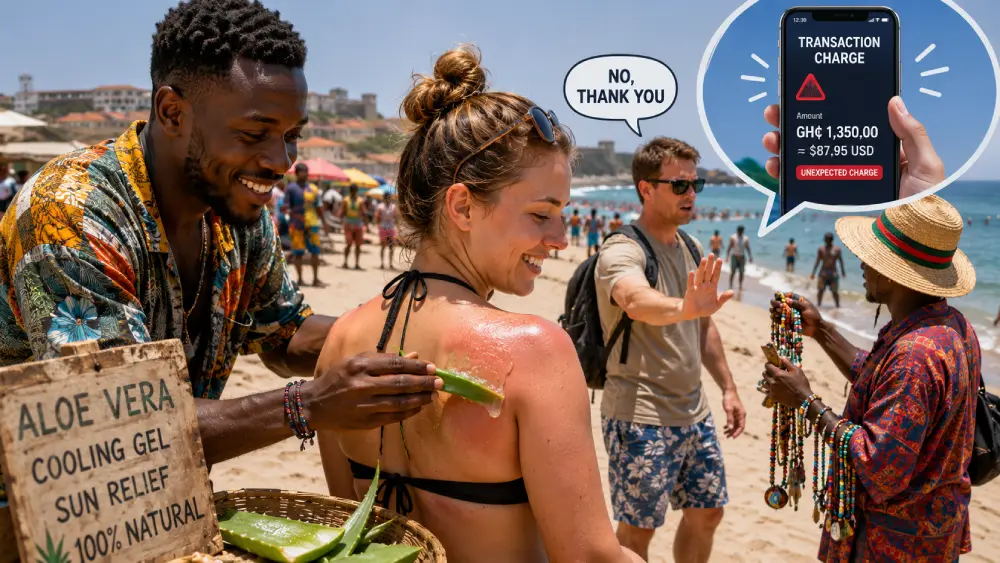
Barbados does not suffer from the aggressive, highly organized scam rings found in parts of Europe or Asia. However, the relaxed island vibe can cause tourists to drop their guard, making them easy targets for low-level hustles. The most common scams are financial traps designed to separate you from your cash with a smile.
One persistent issue is the "Aloe Vera Scam" found on popular public beaches. Friendly locals will approach you offering a fresh aloe vera massage for your sunburn. They will start applying the aloe before you agree on a price, and then demand an exorbitant fee for the service. A firm but polite "no thank you" is usually enough to send them on their way.
Another threat is ATM skimming, which has become more sophisticated in 2026.
-
The Beach Hustle: Never accept a "free" bracelet or sample; it is always followed by aggressive demands for a tip.
-
Fake Tour Guides: book excursions through certified agencies, never from random individuals approaching you on the street.
-
ATM Skimmers: Always use ATMs located inside major banks rather than standalone machines on the street or in convenience stores.
-
The Jet Ski Trap: Ensure you establish the exact rental time and price for water sports upfront to avoid sudden "overtime" charges.
Women’s Safety & Solo Travel
Barbados is widely considered of the most accessible and secure destinations for solo female travelers. The local culture is generally respectful, and the hospitality industry is heavily geared toward making tourists feel comfortable. You will not face the intense, aggressive machismo culture that is prevalent in some other tourist markets.
However, catcalling and unwanted attention do happen, particularly if you are walking alone near the beach or in busy commercial districts. This street harassment is usually verbal and rarely escalates into physical confrontation. The best strategy is to ignore the comments, keep walking, and maintain an air of confidence.
When engaging in the island's famous nightlife, standard solo travel rules apply.
-
Watch your drink: Never leave your cocktail unattended at beach bars or nightclubs.
-
Dress codes: Beachwear is strictly for the beach; wandering into towns or grocery stores in a bikini is frowned upon and draws unwanted attention.
-
Avoid lonely beaches: Never go for a solitary stroll on an unlit beach after dark, no matter how romantic it looks.
-
Use official transport: Always arrange a licensed taxi through your hotel rather than hailing a random car late at night.
Health, Tap Water & Nature
One of the biggest perks of visiting Barbados is the excellent public health infrastructure. Unlike many tropical destinations, the tap water here is exceptionally pure and entirely safe to drink. It is naturally filtered through the island's coral limestone core, so you can skip the bottled water and refill your own canteen safely.
While the water won't make you sick, the local wildlife might. Mosquito-borne illnesses, including Dengue Fever, are a persistent risk, especially during the rainy season. You must aggressively apply DEET-based insect repellent if you are dining outdoors or exploring the lush interior botanical gardens. Sandflies can also be a brutal nuisance on the beaches at dusk.
Nature presents its own set of challenges, from the ocean to the sky.
-
Beware the Rip Tides: The East Coast (Atlantic side) features massive waves and deadly undertows; swimming here is strictly prohibited.
-
Sun Protection: The UV index is brutal; failure to use reef-safe sunscreen will result in severe burns within an hour.
-
Hurricane Season: Running from June to November, you must monitor local weather updates and be prepared for sudden flight cancellations.
-
Manchineel Trees: Avoid sheltering under these toxic trees on the beach; their sap and apples can cause severe skin blistering.
The Ultimate Safety Tool: Staying Connected
In 2026, a reliable internet connection is no longer just for posting vacation photos; it is a critical safety tool. If your rental car breaks down on a dark rural road, or you find yourself wandering into a sketchy neighborhood in Bridgetown, you need immediate access to maps and emergency services. Relying on patchy hotel Wi-Fi or insecure public café networks is a massive security risk.
Need data in Barbados? Get an eSIM!
Choose the perfect data plan for your trip

Manage your eSIM in the app
Install, top up and track data.
Public Wi-Fi networks in tourist hotspots are prime hunting grounds for data thieves. A Barbados eSIM gives you an instant, secure, and encrypted cellular connection the moment your plane lands at Grantley Adams International Airport. You bypass the long lines at local SIM kiosks and guarantee you always have a lifeline to call a licensed taxi.
If you are unsure which digital plan fits your itinerary, check out our comprehensive Best eSIM for Barbados. For a deep dive into all your connectivity options, including local providers and hardware requirements, read How to Get Internet in Barbados.
Official Travel Advisories (2026 Update)
Government advisories are the baseline for understanding a country's safety profile. For July 2026, the major English-speaking nations are largely in agreement regarding the threat level in Barbados. The consensus is that the island is safe, provided you don't abandon your common sense at the resort bar.
Here is what the major diplomatic offices are currently saying:
-
United States (State Department): Issues a Level 1 advisory ("Exercise Normal Precautions"). They highlight the risk of petty crime like purse snatching and advise caution when walking at night.
-
Canada: Advises citizens to "Take normal security precautions." They note that violent crime has seen a slight increase over recent years, primarily away from tourist centers.
-
United Kingdom (FCDO): Maintains standard travel advice, focusing heavily on hurricane season preparedness and the absolute necessity of comprehensive travel insurance.
The Verdict: Is Barbados Safe?
Barbados remains a premier, highly secure destination for travelers in 2026. The island's commitment to tourism means that infrastructure, police presence, and healthcare are all geared toward keeping you safe. While petty theft and hazardous rural driving conditions exist, these risks are easily managed with basic situational awareness. As long as you respect the local culture, lock up your valuables, and avoid deserted beaches at night, your Bajan holiday will be memorable for all the right reasons.
-
Never leave valuables unattended: The beach is not a locker; if you swim, leave your phone and wallet in the hotel safe.
-
Stick to the West and South Coasts: These areas have the highest security presence and the best tourist infrastructure.
-
Don't drive at night: Navigate the island's narrow, pothole-filled rural roads during daylight hours.
-
Stay connected securely: Use an eSIM to guarantee you always have access to offline maps and emergency contacts.
-
Respect the ocean: swim on the calm West Coast, and never underestimate the deadly currents of the Atlantic side.
Note: Travel safety situations can change rapidly. This information is accurate as of July 2026. Always exercise street smarts and consult official advisories before your trip.