Download the App and manage your eSIMs easily
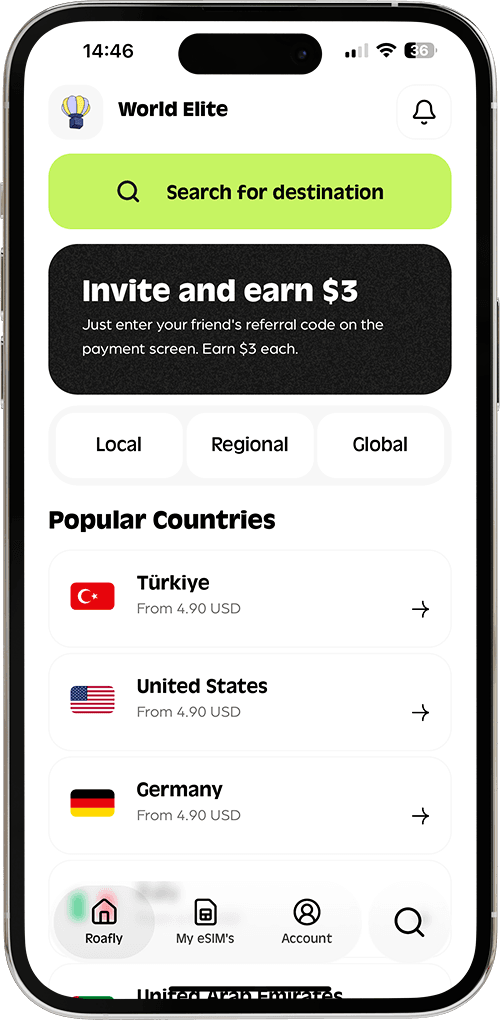
Create your order quickly
See your eSIM details
Track your remaining data
Download the App and manage your eSIMs easily
Create your order quickly
See your eSIM details
Track your remaining data
Egypt’s tourist scams can start with a fake Grand Egyptian Museum booking page or an unsolicited offer outside the pyramids. Others emerge halfway through a transaction: a camel ride suddenly costs more to finish, or a driver asks for cash after you selected card payment.

Lena Hartley
Updated Sep 7, 2026
10 min read
Save 15% on your Roafly eSIM
Stay connected on your next trip. Use the code below at checkout.
View All DestinationsJump to section
👇Save 15% on your Roafly eSIM
Stay connected on your next trip. Use the code below at checkout.
View All Destinations
Manage your eSIM in the app
Install, top up and track data.
The most useful question is whether you are being charged for something you knowingly agreed to buy. Bargaining, optional tips and separately ticketed attractions all require different decisions from a false claim that you must pay a stranger to proceed. Regional warnings and the broader trip decision belong in our guide to Egypt travel safety.
Book Grand Egyptian Museum admission through the official GEM ticket portal. The museum has warned about impersonation websites and social media pages offering discounted tickets or immediate bookings to obtain payment details and personal information. This is a documented booking risk, including a renewed warning in May 2026.
Before entering your details, check the website address and confirm the museum, visit date and ticket type. Logos, photographs and a prominent search result do not establish that a page belongs to the museum. Reopen the official portal yourself if someone sends you an unfamiliar payment link.
Buying admission directly is a different purchase from booking a tour that bundles transport, guiding and entry. With a package, ask the operator to identify the museum, explain which tickets are included and confirm how you will receive them. Do not assume that a tour voucher is itself an admission ticket.
Save the confirmation and any issued tickets where you can retrieve them without searching through messages at the entrance.
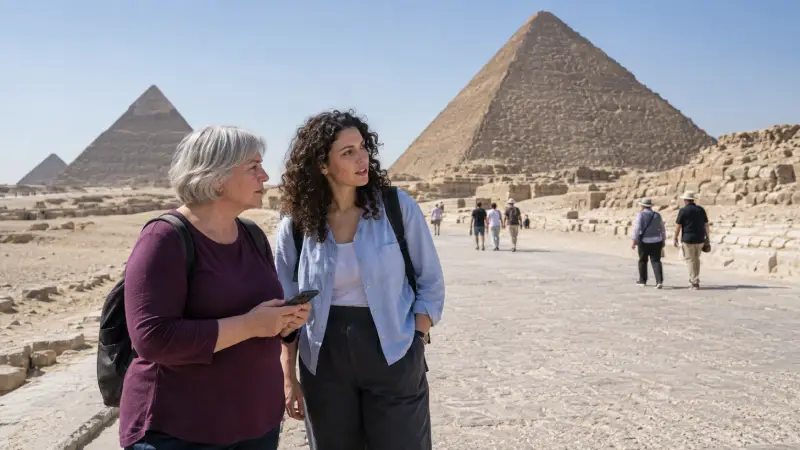
Reported encounters around Giza include people presenting themselves as guides or site workers, then saying the entrance is closed, the route is wrong or a private carriage is necessary. The proposed solution redirects the visitor into a paid service or shopping stop.
Check access instructions with the actual ticket office or identifiable staff at the visitor entrance before changing your plans. Wearing a lanyard or confidently pointing down a road does not establish someone’s role.
Giza’s access arrangements have changed, so old advice about a particular gate or driving onto the plateau can also be misleading. Follow current site directions and genuine security instructions. The point is to verify who is directing you, rather than assume every closure or transport restriction is invented.
Another situation to question is a demand for a personal cash payment to open or show you something that appears to be included in your ticket. Ask the ticket office what the ticket covers and where any additional admission should be purchased.
Some extras are real. The Ministry’s Giza admission information distinguishes entry to the archaeological area from access to certain monuments, including the Great Pyramid’s interior. Buying the general ticket does not mean every interior is included.
Check the named attraction and ticket category before paying. Someone offering “special permission” for photography should also prompt a check of the posted rules; paying an individual does not override Egypt’s tourist rules or an attraction’s restrictions.
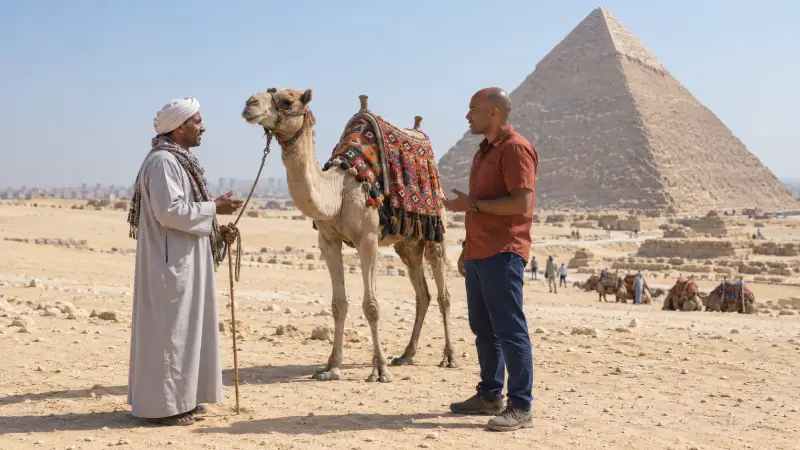
At Giza, the price trap to watch for is an agreed ride being reinterpreted after you have mounted or left the starting point. Accounts describe demands for extra payment for the return journey, a longer duration or help getting down. Reporting on the site has also documented visitors’ allegations of extortion involving animal rides.
Before accepting a ride, settle these details together:
The total price and currency.
Whether that total covers everyone in your group.
The duration and agreed route.
Return to the same starting point.
Any charge for photographs or assistance mounting and dismounting.
“Is that the complete price in Egyptian pounds, including bringing us back here?” is more useful than asking only how much a ride costs. Get the agreement in a message or written booking where possible.
Skip the ride if the answer keeps changing or you are pressured to mount before the price is clear. If a dispute starts while you are riding, prioritize getting safely back to a staffed public area. Do not attempt a risky dismount or turn the disagreement into a physical confrontation.
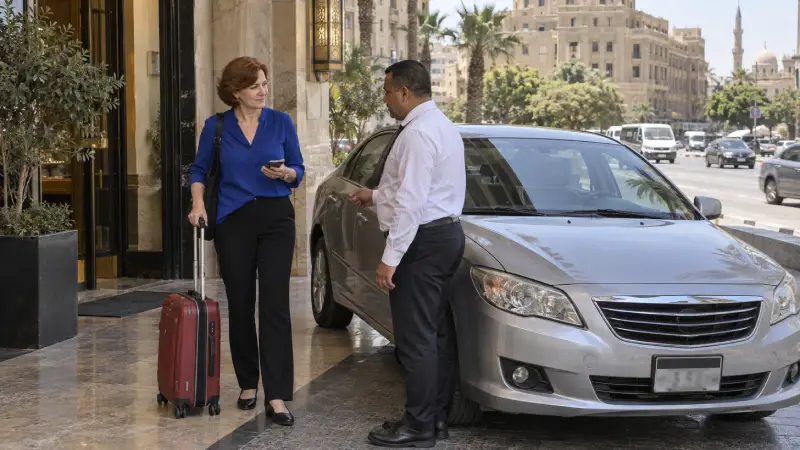
Confirm the destination, currency and pricing arrangement before a street-taxi journey starts. Check the meter where applicable, or settle the total beforehand. Clarify whether the quote covers the whole vehicle, luggage and any return or waiting time you actually need.
Ride-hailing apps provide a record, but an accepted request can still be followed by a demand for more money. Independent accounts from Cairo and Hurghada describe drivers accepting a trip, then seeking a higher cash amount through messages or conversation. Other travelers report straightforward journeys at the displayed price. The practical lesson is to check that the driver intends to complete the trip on the booked terms before boarding.
If a driver demands an unexplained new amount, keep the conversation in the app and use its cancellation or support process as appropriate. Describe what happened accurately. Allow time to arrange another ride, particularly before a flight.
At airport pickups, follow the app’s meeting instructions and match the vehicle and driver to your booking. Our guide to getting around Egypt covers the wider transport choices.
Check the payment method inside the trip before handing over money. Uber’s help page for cash paid on a digitally booked trip says drivers should not request the fare in cash unless cash was selected. If you pay again under pressure, retain the trip details and report both payments through support.
Keep a distinction between double collection and a legitimate fare adjustment. Uber’s Cairo Airport guidance notes that the final fare may change when tolls or surcharges differ from the estimate. Check the receipt and ask support about an unexplained charge instead of treating every difference as fraud.
Keep mobile data available for pickup messages, trip records and maps. An Egypt eSIM is one option for a compatible, unlocked phone; download your accommodation address and essential confirmations for offline access too.
The offer may be a small souvenir placed in your hand and described as free, followed by pressure to pay once you accept it. The US travel guidance for Egypt specifically identifies this pattern at shops, temples and archaeological sites.
Decline items you do not want to buy, and do not let someone put them in your bag or on your clothing. If you have already accepted one, offer it back calmly rather than beginning a negotiation over an unwanted purchase.
Unrequested guiding and photo assistance create a similar problem: the visitor believes they are accepting a brief favor, while the other person later demands a fee. Published accounts describe this around Giza and at other monuments along the Nile.
Make the decision before someone starts guiding you or takes your phone. Ask whether there is a charge, agree to a specific service if you want it, or decline clearly. Taking your own photograph avoids uncertainty over an unsolicited photographer’s fee.
Voluntary tipping for help you wanted is a separate choice. The warning sign is an undisclosed charge, coercion or a claim that optional assistance was compulsory.
If someone approaches you in Luxor claiming to work at your hotel, verify the connection with reception before following them to a shop or buying an excursion. Ask for their name and contact the hotel using the number you already have.
Hearing your hotel’s name can make an unexpected offer sound like part of your stay. Keep a clear distinction between a service you booked through reception and a sales pitch from someone who says they know you. You can decline the offer without debating their story.
With papyrus, perfume oils and carved souvenirs, focus on the item you will actually take home. The problems to watch for are a false claim about its material or quality, a different product being packed, or an unwanted addition appearing on the bill.
Ask for the material, quantity and price in writing when those details matter to the purchase. Watch the selected item being packed; with perfume oil, check which product is going into your bottle. Review the final bill before paying and question anything you did not choose.
Shop names containing “museum” or “institute” should not replace checks on the seller and the product. Likewise, a demonstration does not establish the quality of everything for sale. If you cannot assess a claim that accounts for most of the price, leave the purchase until you can get independent advice.
Expensive souvenirs or a shopping stop you disliked may simply be poor value. Deception concerns what was represented, agreed and delivered. A lower price in another shop does not by itself establish fraud.
Keep the information you chose yourself easy to reach: your hotel’s contact details, the attraction’s booking confirmation and the pickup instructions for any reserved transport. Save issued tickets and addresses offline so you can check them without relying on a stranger’s phone.
If you still need a data plan for maps, translation and booking messages, compare eSIM options for Egypt before departure. Arrange ordinary calling separately if you need it; a data-only eSIM does not include a local phone number.
Carry manageable denominations of Egyptian pounds for purchases you intend to make in cash. Check the amount you hand over, count your change before leaving and read the currency and total on a payment terminal before authorizing it.
If a dispute becomes threatening, move to a staffed, public place when you can do so safely. Hotel reception, the attraction’s visitor desk or local police can help you identify the appropriate next step. Avoid pursuing someone, grabbing back an item or trying to win an argument in an isolated place.
Keep the evidence you already have: receipts, booking references, messages, trip records and the time and location. Do not put yourself at risk to obtain more.
The Egyptian Tourism Authority lists these visitor assistance and complaint contacts:
| Situation | Contact in Egypt |
|---|---|
| A serious incident requiring Tourist Police assistance | 126 |
| A tourism inquiry or service complaint for the Ministry of Tourism and Antiquities | 19654 |
Ask hotel or attraction staff to help place the call if you cannot reach the short number from your phone. When reporting a crime, request a copy of the police report while you are still in Egypt.
If you entered card details on a suspected fake website or see an unauthorized transaction, contact your bank through its official app or the number on your card. Explain whether the issue was a false booking, an extra payment or suspected card-data theft. Ask about securing the card and disputing the transaction; a refund will depend on the circumstances and the provider’s process.
With a tour or ride booked through a platform, open the complaint against the actual booking and attach the records. Keep subsequent payment or refund discussions inside the platform’s support channel.
