


However, if you watch the international news, you might see a completely different version of France: massive street protests, burning barricades, and viral videos of tourists having their luxury watches snatched in broad daylight. The contrast is enough to give anyone "Paris Syndrome."
So, what is the reality on the ground? Is France actually safe for tourists?
The short answer is Yes, but you cannot let your guard down. France is generally very safe when it comes to violent crime, but it is the undisputed European capital of aggressive petty theft, sophisticated street scams, and unpredictable national strikes.
This comprehensive guide will strip away the romanticized movie clichés and break down exactly what you need to know to protect your wallet, avoid the riot zones, navigate strict local laws, and stay connected when the chaos hits.
1. The Paris Reality: Pickpockets and Street Scams
You are highly unlikely to be physically assaulted in France, but if you are not paying attention, your smartphone and wallet will disappear within your first 48 hours. Pickpockets in Paris, Marseille, and Nice are highly organized professionals.
Here are the most common scams you must memorize:
-
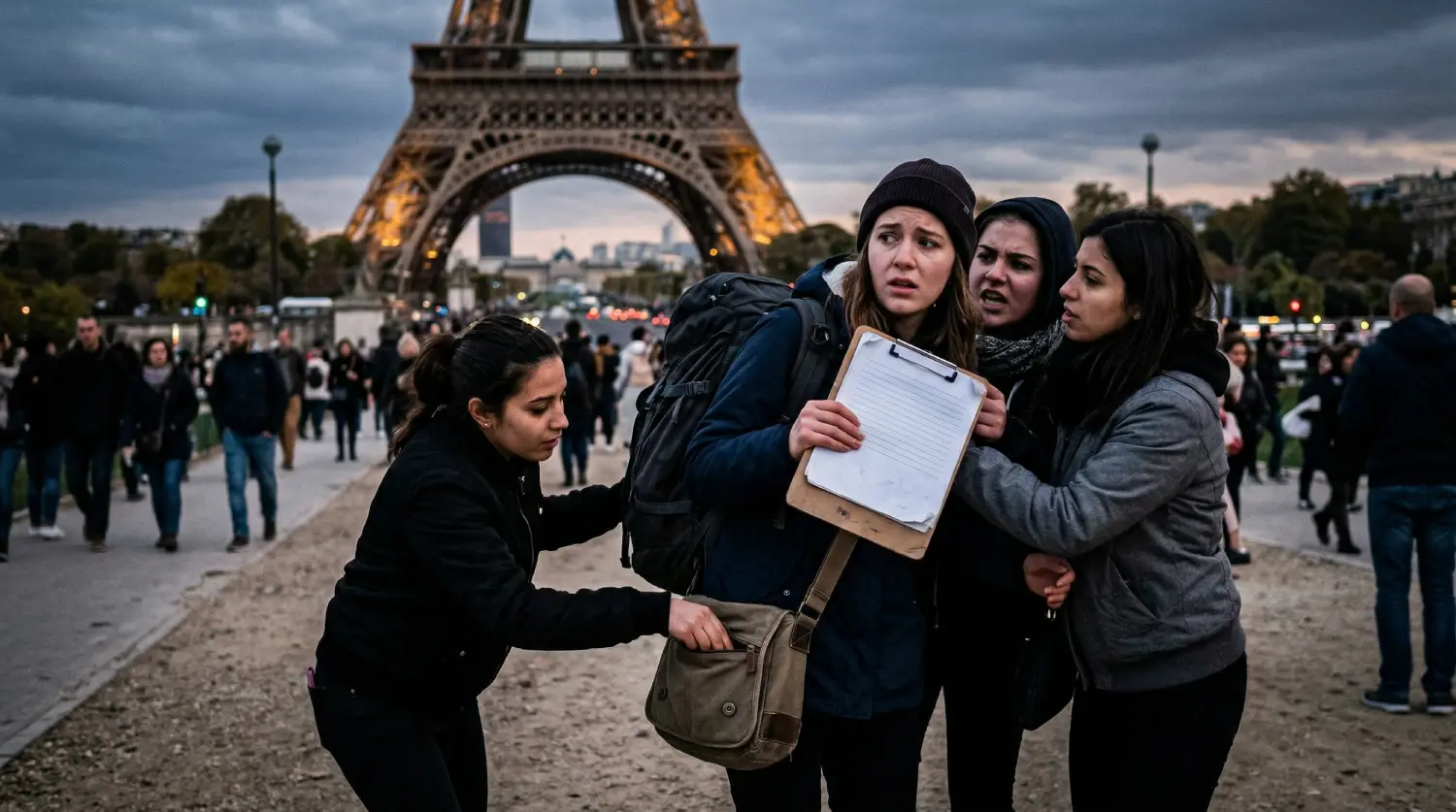
The Petition Scam: Mostly around the Eiffel Tower and the Louvre. Young girls (often pretending to be deaf or representing a fake charity) will aggressively shove a clipboard into your chest asking for a signature. While you are distracted reading it, their accomplice is emptying your pockets or unzipping your backpack. Rule: Never stop for clipboards. Yell "Non!" and keep walking.
-
The String/Bracelet Scam: Rampant on the steps of the Sacré-Cœur in Montmartre. Men will aggressively grab your wrist, tie a woven bracelet around it before you can react, and then demand 20 Euros for it. If you refuse to pay, a group of them will surround you to intimidate you. Rule: Keep your hands in your pockets when walking up those stairs and do not let anyone touch you.
-
The Metro "Crush": Pickpockets thrive on crowded Metro trains (especially Lines 1, 4, and 9). They will intentionally bump into you right as the doors are closing, snatching your phone and jumping the platform just as the train leaves. Rule: Never keep your phone in your back pocket or hold it loosely near the doors.
2. Protests and Strikes (Grèves): The National Pastime
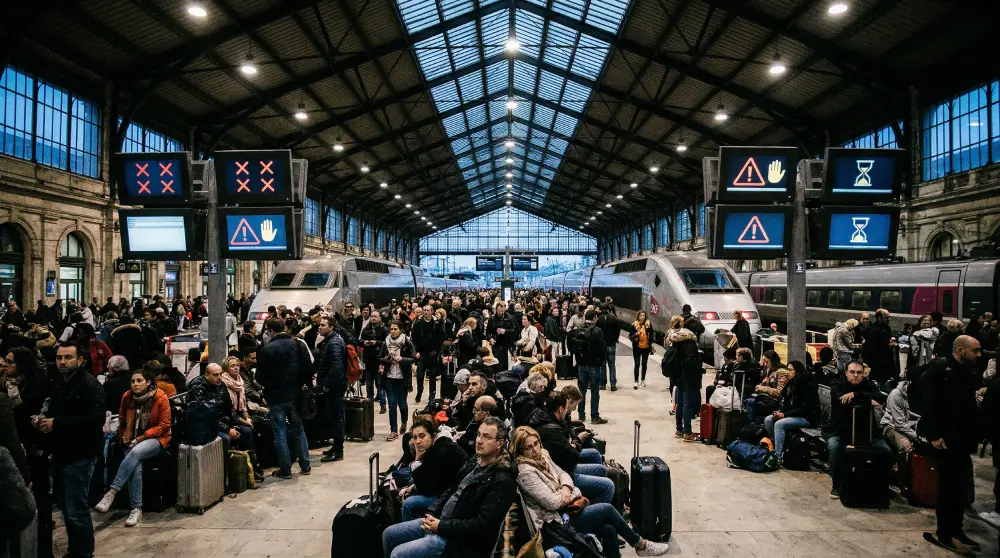
In France, protesting is practically a constitutional right, and strikes (grèves) happen constantly. Whether it is railway workers, air traffic controllers, or garbage collectors, a strike can instantly derail your itinerary.
-
Are Protests Dangerous? Most protests are peaceful, heavily policed, and organized along pre-approved routes (often ending at Place de la République or Bastille). However, they can sometimes turn violent at the fringes (tear gas, broken windows).
-
The Tourist Strategy: Avoid the protest routes entirely. The real danger for tourists is not getting hurt, but getting stranded. When the SNCF (national railway) strikes, high-speed trains (TGV) to other cities are canceled without warning. You must constantly monitor the local news and your transport apps to rebook your travel instantly.
3. The "Red Zones": Where Not to Wander
While the historical centers of French cities are safe, there are specific areas where tourists have no reason to be, especially after dark.
-
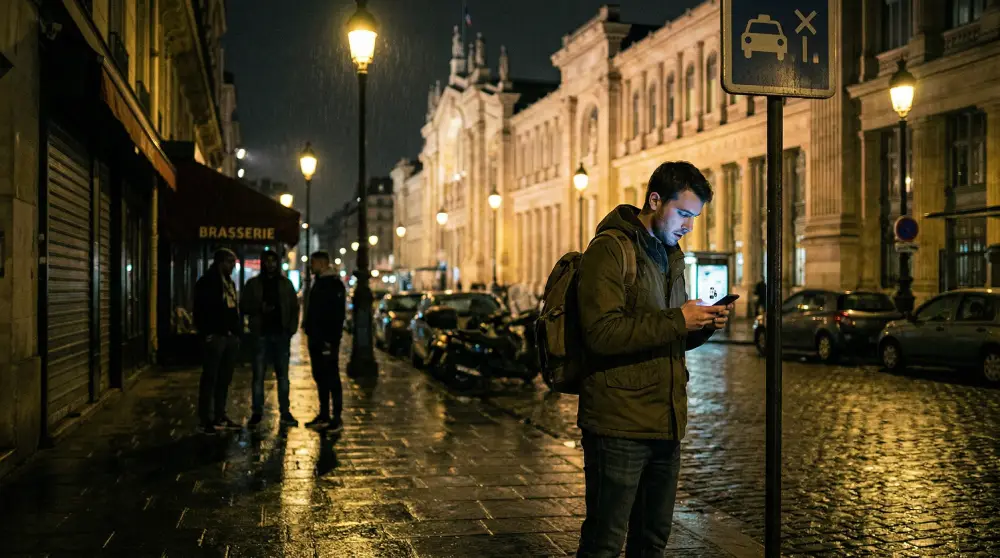
Paris Train Stations at Night: Gare du Nord and Gare de l'Est are major transport hubs, but the immediate surrounding streets can be very sketchy, aggressive, and filled with pickpockets late at night. If you arrive on a late train, do not wander the neighborhood looking for a cheap restaurant; take an official taxi or Uber directly to your hotel.
-
The Banlieues (Suburbs): The outer suburbs of Paris (like Saint-Denis, though the stadium area is heavily policed during events) have higher crime rates. Unless you have a specific, guided reason to be there, stick to the central arrondissements (1-20).
-
Marseille's Rough Edges: Marseille is a beautiful, gritty port city. However, the northern districts (Quartiers Nords) and areas around the Saint-Charles train station late at night require high situational awareness.
4. Tourist Bans & Legal Traps
France is a heavily regulated society. You might survive the pickpockets, to get slapped with a massive fine by the local police for breaking a law you didn't know existed.
-
The Drone Ban: Thinking of flying your DJI drone over the Eiffel Tower for an epic Instagram video? Don't. Flying drones over Paris is strictly illegal, and the police use anti-drone tech to track you down. You will be arrested, fined thousands of euros, and your equipment will be confiscated.
-
Dress Codes in the South: Strolling through a town in the French Riviera (like Cannes or Nice) in just your swimsuit or barefoot is illegal and will result in an immediate fine.
-
Low-Emission Zones: If you rent a car, you cannot just drive into the center of major cities anymore without a "Crit'Air" emissions sticker.
To ensure you don't accidentally ruin your vacation with legal trouble, you must read our complete breakdown on France Tourist Bans & Laws: Things Not To Do & Illegal Items.
5. The Airport Trap: Customs and Counterfeits
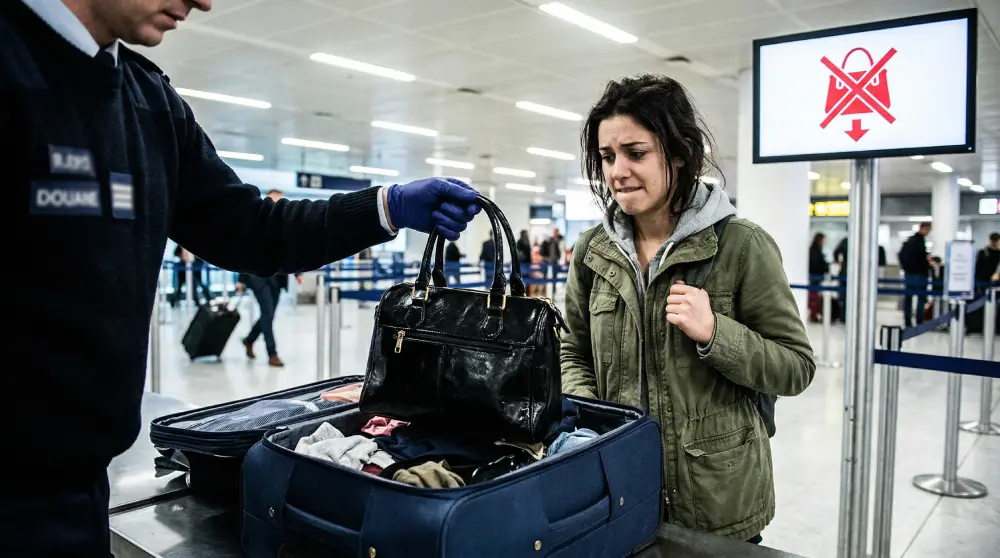
If you are flying into Charles de Gaulle (CDG) or Orly, especially from outside the EU (like the USA, or the UK post-Brexit), you need to be extremely careful about what is in your luggage.
France is the home of luxury fashion, and the French Customs authorities (Douane) are ruthless when it comes to counterfeit goods (contrefaçon). If they search your bag and find a fake Louis Vuitton bag or a knock-off Rolex you bought in another country, it will be confiscated, and you can face a fine of up to €300,000 and possible jail time.
Furthermore, the limits on how much wine and tobacco you can bring in have changed strictly. Before you pack, review the exact allowances in our guide: France Airport Customs Rules: Alcohol, Tobacco & Limits.
6. Digital Safety: Why You Cannot Be Offline
In a country where pickpockets are targeting your pockets, metro lines shut down unannounced due to strikes, and translation is often necessary to get help, your smartphone is your ultimate safety device.
Need data in France? Get an eSIM!
Choose the perfect data plan for your trip

Manage your eSIM in the app
Install, top up and track data.
If you are lost in a sketchy neighborhood near Gare du Nord at midnight, relying on a café's open Wi-Fi to call an Uber is incredibly dangerous. You need constant, high-speed data to:
-
Receive instant SNCF strike alerts and rebook train tickets on the fly.
-
Use Google Maps to navigate safely away from protest zones.
-
Order verified Ubers late at night.
-
Translate menus or speak to emergency services if needed.
How to Stay Connected: You don't want to waste your first day in Paris waiting in line at an Orange or Free Mobile boutique, struggling with the language barrier to buy a physical SIM card. For a complete breakdown of all your connectivity options upon arrival, check out: How to Get Internet in France: SIM Cards, eSIMs, and WiFi Options.
The Ultimate Travel Hack: The smartest travelers bypass the airport kiosks entirely by downloading a travel eSIM before they even board their flight. The moment you land at CDG, your phone instantly connects to the local French 4G/5G networks.
Don't get stranded offline. Compare the top data plans and secure your connection via our guide: Best eSIM for France.
👉 Ready for your French adventure? Grab your France eSIM right now and travel with peace of mind.
Final Verdict: Is France Safe?
Yes, France is absolutely safe for tourists who travel with situational awareness and common sense.
The magic of Paris, the history of Normandy, and the beauty of the Riviera are entirely worth the trip. If you keep your hands on your bags in crowded areas, ignore aggressive street vendors, steer clear of political protests, and ensure your phone is always connected to the local network, you will have the trip of a lifetime.
Pack smart, download your eSIM, and bon voyage!