

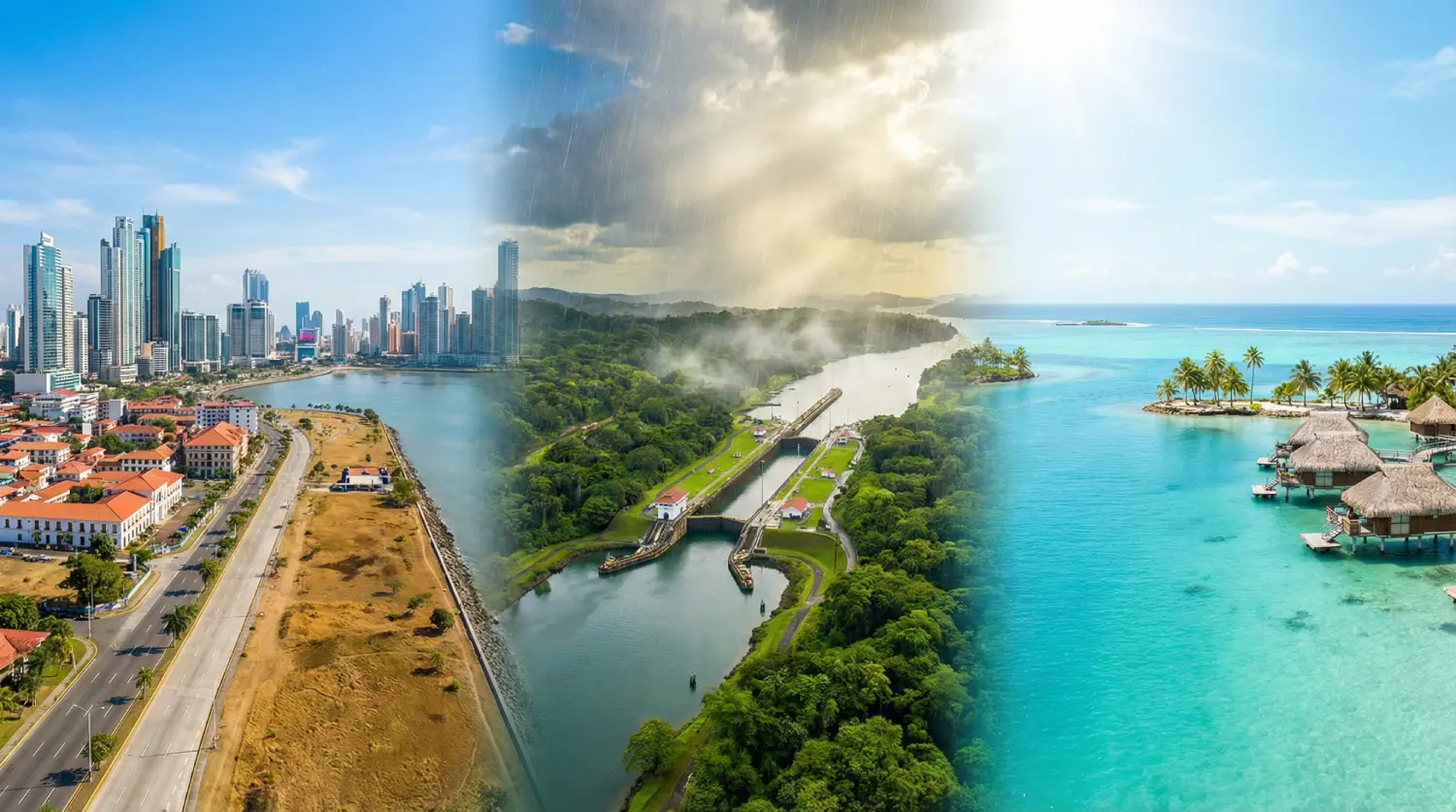

But before you blindly book a flight to Panama City, you need to understand crucial geographical fact: Panama is not a-size-fits-all weather destination.
Because this narrow S-shaped country acts as the bridge between North and South America, it is flanked by the Pacific Ocean on side and the Caribbean Sea on the other. This creates wild microclimates. The month that brings perfect sunshine to the Pacific coast might bring relentless, trip-ruining downpours to the Caribbean islands.
If you want to surf in Bocas del Toro, hike the cloud forests of Boquete, or simply transit the Panama Canal without sweating through your clothes, timing is everything.
This comprehensive guide breaks down the absolute best times to visit Panama in 2026, exploring the distinct seasonal shifts, the regional weather anomalies, and how to avoid both the heavy rains and the crushing peak-season prices.
1. The Two Seasons of Panama: Verano vs. Invierno
Unlike North America, Panama does not have four seasons. Because it sits just 9 degrees north of the equator, the temperature remains a balmy 28°C to 32°C (82°F - 90°F) year-round.
Instead of temperature changes, Panama is ruled by rainfall. There are two seasons you need to worry about:
The Dry Season (Verano): Mid-December to Mid-April
-
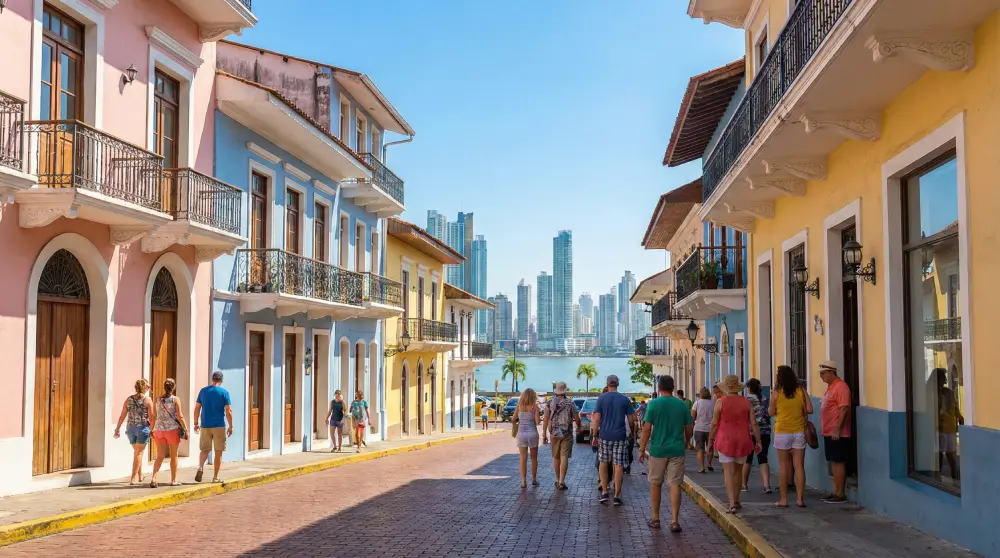
The Vibe: This is peak tourist season. The skies over Panama City are brilliant blue, the humidity drops to a manageable level, and the Pacific coast is bathed in constant sunshine.
-
The Highlights: This is the absolute best time to visit the capital, explore the historic Casco Viejo, or take a boat tour through the Panama Canal. It is also the best time for deep-sea fishing in the Gulf of Chiriqui and enjoying the Pacific beaches (like Santa Catalina or Playa Venao).
-
The Catch: Because the weather is perfect, it is crowded and expensive. Snowbirds from the US and Canada flock here. Hotels charge peak rates, and you must book well in advance. Also, high winds known as the "Trade Winds" sweep through the country, which makes the heat feel cooler but can cause choppy waters for boat trips.
The Green Season / Rainy Season (Invierno): May to November
-
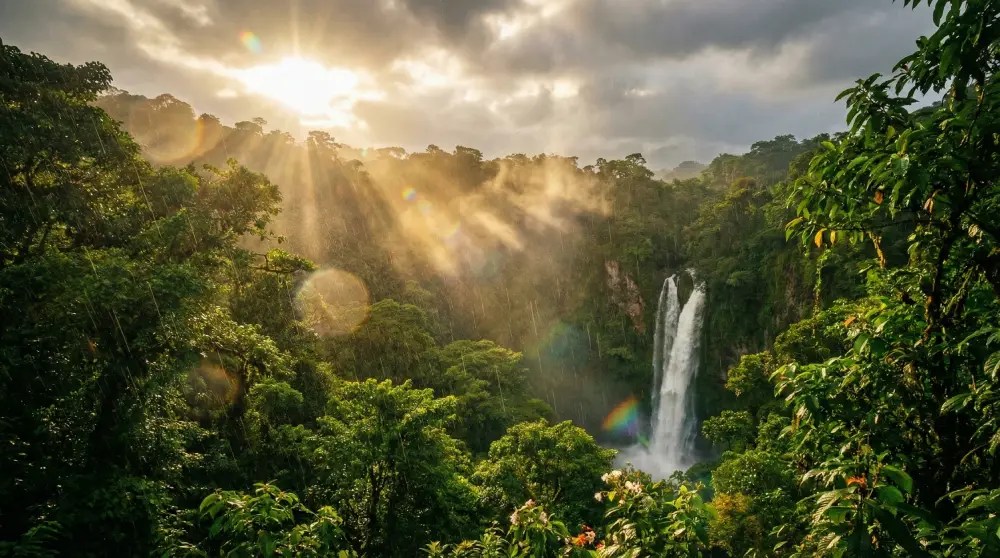
The Vibe: Lush, vibrant, and incredibly humid. Many tourists avoid this season, which is a mistake. "Rainy season" rarely means it rains all day. Typically, you will have bright, sunny mornings followed by an intense, spectacular thunderstorm around 2:00 PM that lasts for an hour or two, clearing up by sunset.
-
The Highlights: Prices for luxury hotels drop by up to 40%. The jungles burst with wildlife, the waterfalls in Boquete and El Valle de Anton are at their most powerful, and the rivers are perfect for white-water rafting.
-
The Catch: The humidity can be suffocating. October and November are the rainiest months of the year for most of the country. During these months, the afternoon showers can turn into multi-day torrential downpours, leading to localized flooding.
2. The Caribbean Plot Twist: Bocas del Toro & San Blas
Here is the secret that most generic travel guides fail to mention, and it ruins countless vacations: The Caribbean coast does not follow the same weather rules as the rest of Panama.
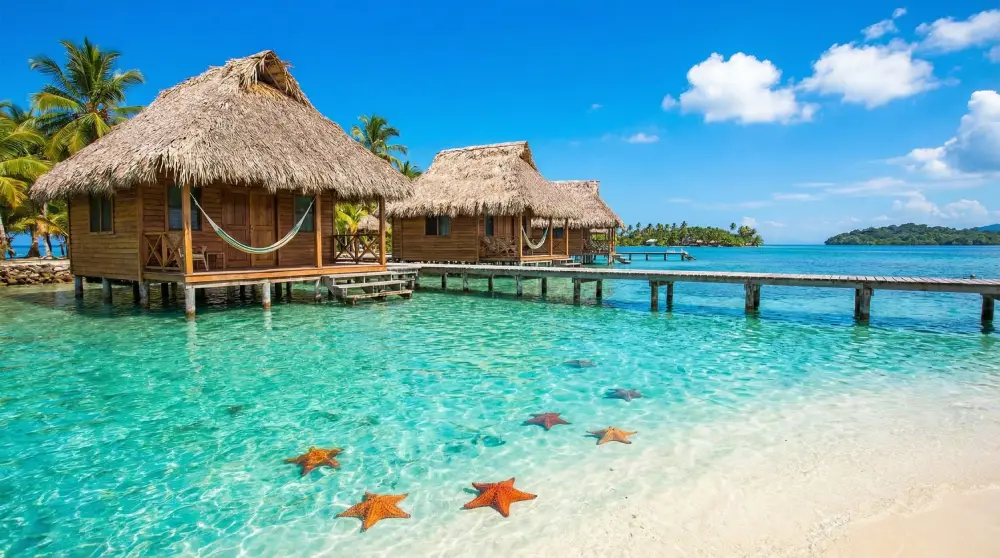
If you are planning to visit the famous archipelago of Bocas del Toro or the indigenous paradise of the San Blas Islands (Guna Yala), throw the standard dry/rainy season rules out the window.
-
The Anomaly: While the rest of Panama is enjoying its sunny dry season in December and January, Bocas del Toro is often experiencing some of its heaviest rainfall.
-
The Best Time for the Caribbean: The absolute driest and best months to visit Bocas del Toro are September and October (along with February and March). Ironically, September and October are the worst, rainiest months for Panama City and the Pacific coast.
Travel Hack: If you are traveling in September or October and want guaranteed sunshine, skip the capital and head straight to the Caribbean side. The waters are perfectly flat, making it the best time for snorkeling and scuba diving.
3. Month-by-Month Cheat Sheet
-
January: Perfect dry weather on the Pacific and in the capital. Very windy. Heavy crowds and peak pricing.
-
February: Excellent weather. Carnaval takes place (usually in February or early March). The country essentially shuts down for a massive, multi-day street party, especially in the town of Las Tablas.
-
March: The tail end of the dry season. Hot, sunny, and perfect for hiking in Boquete before the rains start.
-
April: The transition month. Humidity begins to rise as the dry season ends.
-
May: The rains begin. Showers are brief and refreshing. A great "shoulder season" month for budget travelers.
-
June - August: The classic "Green Season." Expect sunny mornings and rainy afternoons. August experiences a brief dry spell known as veranillo (little summer).
-
September: The rainiest month for Panama City and the Pacific, but the absolute best month for Bocas del Toro and the Caribbean coast.
-
October: Similar to September. Heavy rains in the capital, perfect beach weather in Bocas.
-
November: The worst month to visit. November is the month of Fiestas Patrias (National Holidays). Panama celebrates several independence days. Banks, government offices, and many businesses close repeatedly, and it is usually the wettest month of the year nationwide.
-
December: Rains taper off by mid-December, and the dry season begins, kicking off the holiday tourist rush.
4. Crucial Preparation: Safety and Customs
Picking the right month is half the battle. Panama is a highly developed hub, but it still has strict rules and specific regional safety concerns that North American travelers must be aware of.
The Safety Reality
Panama City is generally safe, acting as the financial hub of Central America. However, wandering into the wrong neighborhood or venturing into certain coastal port cities can be dangerous. For instance, the city of Colón (a major cruise ship port) has high crime rates and requires specific precautions. Before you finalize your itinerary, read our in-depth guide: Is Panama Safe for Tourists? to understand exactly which areas to avoid.
The Airport Trap: Vaping and Alcohol Limits
Panama has incredibly strict customs regulations that routinely catch American and Canadian tourists off guard.
Warning: Panama strictly prohibits the importation and use of e-cigarettes and vaping devices. If customs agents find a vape in your luggage at Tocumen International Airport, it will be confiscated, and you may face a hefty fine. To avoid delays at the border, review the exact allowances in our Panama Airport Customs Rule guide before you pack your bags.
5. Connectivity: Don't Get Lost in the Jungle
Whether you are navigating the chaotic, skyscraper-lined streets of Panama City in an Uber or trying to use Google Translate to book a coffee tour in the highlands of Boquete, you cannot afford to be offline in Panama.
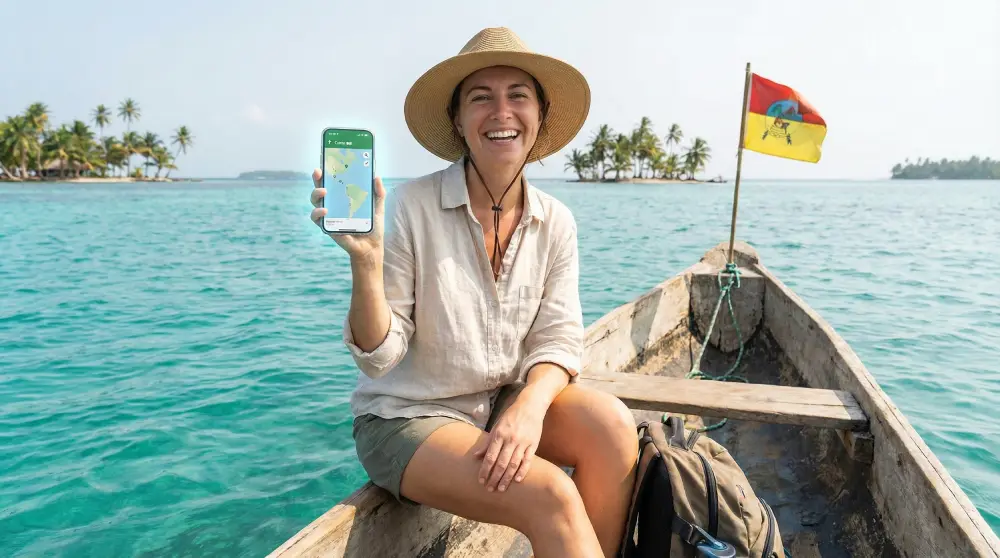
Relying on public Wi-Fi is a recipe for frustration. Wi-Fi in the city is spotty, and in remote areas like San Blas or the mountains, it is practically non-existent. You need mobile data the second you land to coordinate airport transfers and map out your routes.
Instead of paying ridiculous $10-a-day roaming charges to your home carrier (like AT&T, Verizon, or Rogers), or wasting your first vacation day hunting for a physical +Móvil or Tigo store, the smartest move is to use a travel eSIM.
By setting up an eSIM, your phone will instantly connect to the strongest local Panamanian cell towers the moment your plane lands.
-
Want to understand all your options, from airport kiosks to pocket Wi-Fi? Read our breakdown: How to Get Internet in Panama
-
Want to skip the research and just get the best data plan for your trip? Check out our direct comparison: Best eSIM for Panama
Don't let a lack of internet ruin your jungle adventure or strand you in the city without a ride.
👉 Grab your Panama eSIM right now to stay connected, safe, and ready to explore.
Final Verdict: When Should You Go?
If you want the classic tropical vacation—flawless sunshine, exploring the Panama Canal, and sipping cocktails on a Pacific rooftop—book your trip between January and March.
If you are a surfer, scuba diver, or beach bum heading strictly to the Caribbean vibes of Bocas del Toro, aim for September or October to avoid the crowds and catch the best weather.
And if you want to experience the lush, vibrant rainforests at their greenest while saving money on luxury hotels, the "Green Season" mornings of June and July will not disappoint.
Pack light, prepare for the humidity, secure your eSIM, and enjoy the incredible diversity of Panama.