

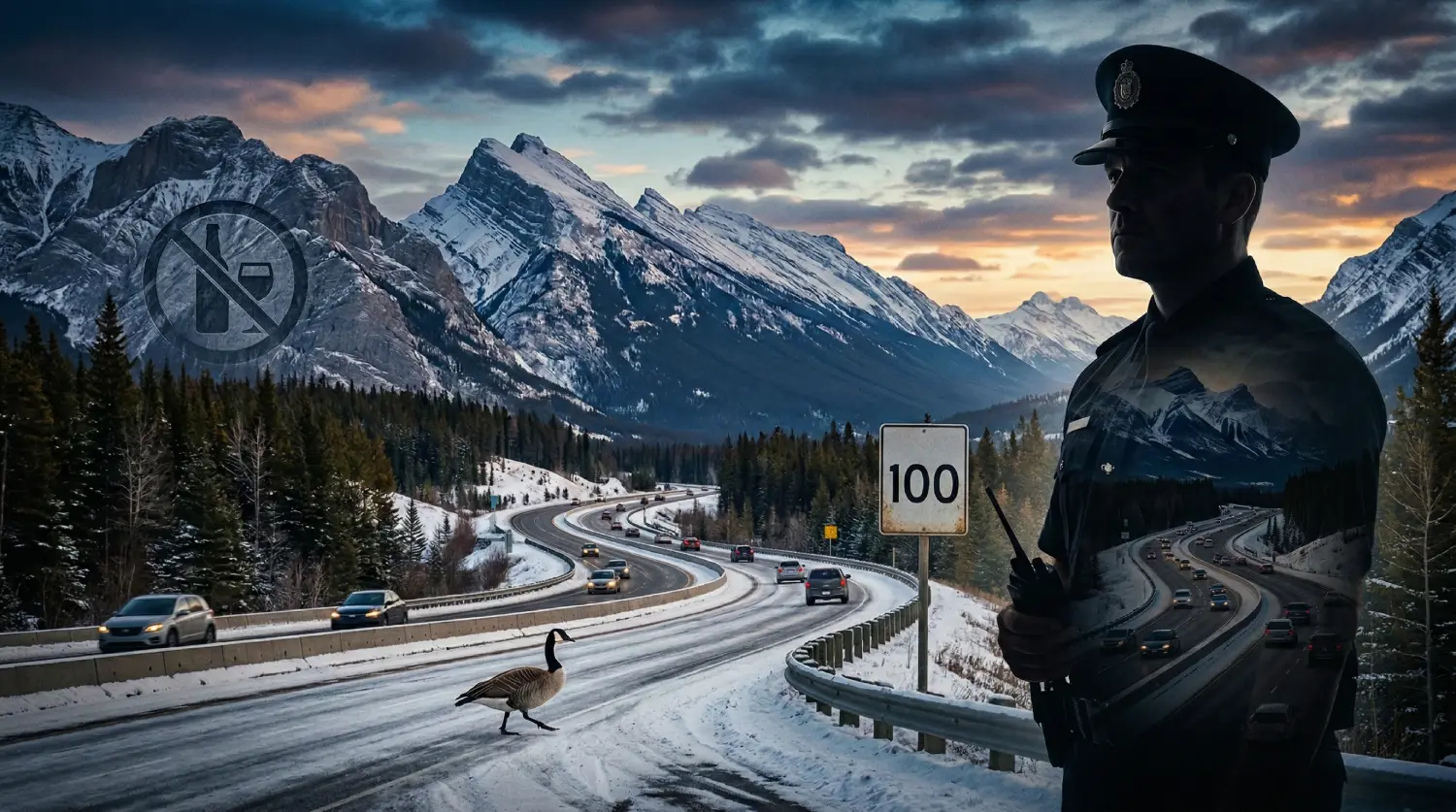

Canada is an incredibly safe and welcoming destination for millions of travelers, but the "I didn't know" excuse holds zero weight with the Royal Canadian Mounted Police (RCMP) or border agents. Because Canada operates under a mix of federal laws and highly varied provincial regulations, what is completely legal in Alberta might result in a hefty fine in Quebec. Tourists often fall into the trap of assuming Canada's laws are identical to those of the United States or Europe. They are not. If you want to avoid a ruined vacation, heavy penalties, or a long interrogation at customs, you need to understand the absolute legal boundaries before you land.
The "Big Red Line": DUIs and Border Contraband
If there is thing you must take seriously when visiting Canada in 2026, it is how the country handles Driving Under the Influence (DUI) and border declarations.
Canada treats a DUI (often called impaired driving) as a highly serious criminal offense. If you have any record of a DUI in your home country—even if it was a misdemeanor ten years ago—you can be deemed criminally inadmissible to Canada. This means border agents at the airport or land crossing will deny you entry and send you on the next flight home. If you are caught driving impaired while inside Canada, you face immediate arrest, mandatory minimum fines starting in the thousands of dollars, and deportation.
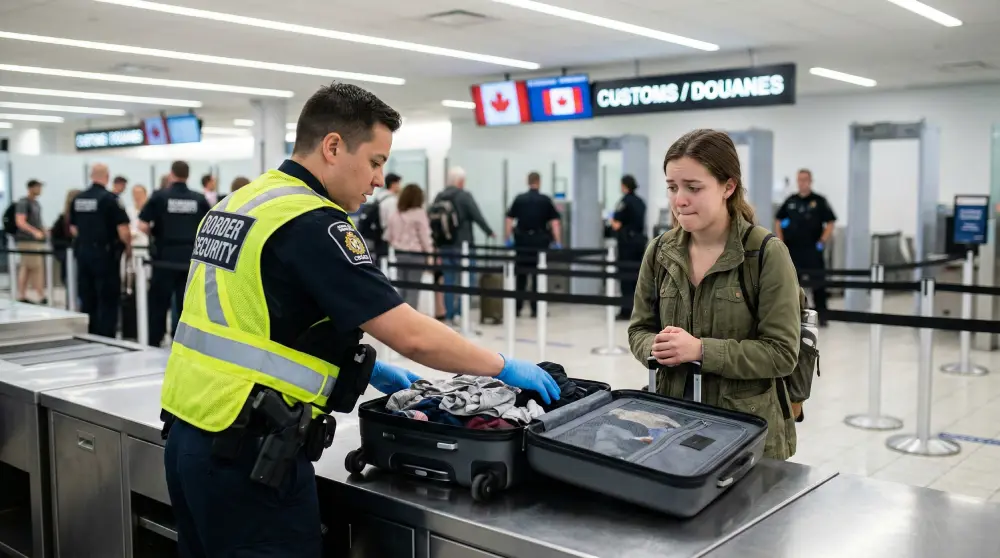
Furthermore, the Canada Border Services Agency (CBSA) is notoriously strict regarding what you bring into the country. Firearms, pepper spray, and certain knives are strictly prohibited, and Americans crossing the land border are frequently arrested for "forgetting" a handgun in their glovebox. Bringing in undeclared food, plants, or animal products can result in immediate fines of up to $1,300 CAD. To ensure you don't accidentally break the law upon arrival, you should thoroughly review the Canada Airport Customs Rules before packing your bags. Always declare everything. For official border guidelines, always refer directly to the Canada Border Services Agency (CBSA).
Traffic & Scooter Rules (The Tourist Trap)
Driving in Canada is an excellent way to see the country's vast landscapes, but the traffic laws are rigidly enforced, and the climate dictates strict vehicle rules.
-
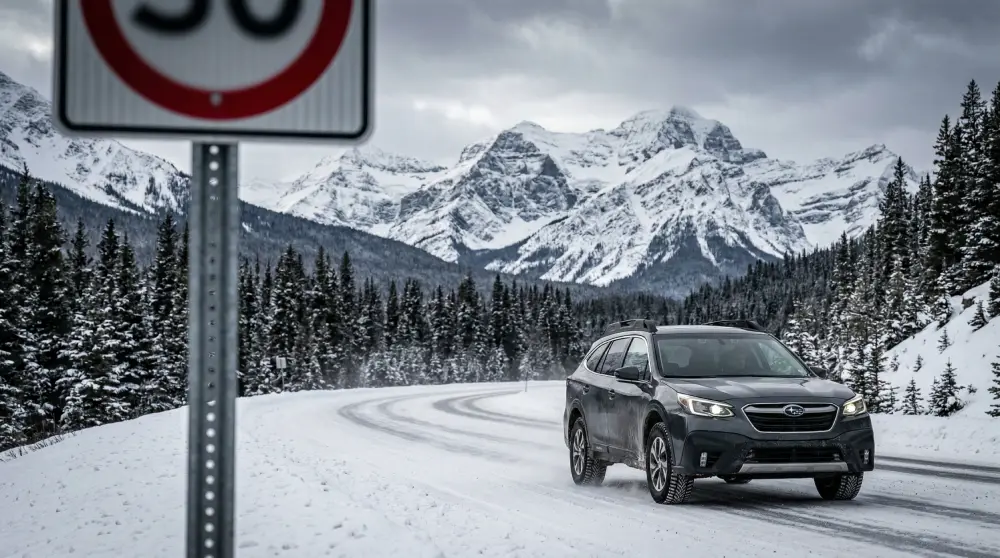
The Metric System: Unlike the US, Canada uses the metric system. Speed limits are in kilometers per hour (km/h). Doing 100 mph when the sign says 100 km/h will result in a severe "stunt driving" charge, immediate vehicle impoundment, and a suspended license.
-
Distracted Driving: Holding your phone while driving, even while stopped at a red light, is universally illegal across all provinces. Fines exceed $300 CAD and come with strict penalties. Use a hands-free mount.
-
Right Turn on Red: Generally, you are allowed to turn right on a red light after coming to a complete stop. However, this is strictly illegal on the island of Montreal, and doing so is a classic tourist mistake that local police actively watch for.
-
Winter Tires: If you are renting a car between December and March, be aware of provincial laws. In Quebec, and on many mountain highways in British Columbia, winter tires with the official "mountain snowflake" symbol are legally mandatory. Driving without them can result in fines and turn away at police checkpoints.
Substance Regulations (Vaping, Alcohol & Meds)
Because provinces govern their own health and safety standards, the rules change depending on where you are standing.

Is Vaping Legal?
Yes, vaping is legal in Canada, but it is heavily regulated in 2026. You cannot vape indoors in public spaces, on public transit, or within a certain distance (usually 9 meters) of doorways to public buildings. Furthermore, many provinces (like Quebec and British Columbia) have instituted strict flavor bans and nicotine caps. You may find that tobacco and mint flavors are available for purchase, and bringing massive quantities of non-compliant vapes through customs can lead to confiscation.
Alcohol Restrictions
The legal drinking age in Canada is 19 in most provinces, but it is 18 in Alberta, Manitoba, and Quebec. Do not assume you can buy alcohol anywhere. In provinces like and British Columbia, alcohol sales are primarily controlled by government-run stores (like the LCBO or BC Liquor Stores) with strict operating hours. Public drinking is generally illegal. Walking down the street or sitting on a beach with an open beer will quickly earn you a fine ranging from $100 to $300 CAD, depending on the municipality.
Medicine & Drugs
Cannabis has been federally legal in Canada for years, but there is a massive legal trap for tourists: It is a serious federal crime to carry cannabis across the Canadian border. This applies whether you are entering or leaving Canada, even if you are traveling to or from a US state where cannabis is also legal. Do not bring it in, and do not take it out. Additionally, over-the-counter medications in your home country might require a prescription in Canada. Always bring medications in their original, clearly labeled pharmacy packaging.
Weird & Niche Laws
Canada has a few specific laws protecting its wildlife and nature that tourists frequently overlook:
-
Bear Spray is a Weapon: If you are hiking in the Rockies (Banff, Jasper), carrying bear spray is highly recommended. However, carrying bear spray in an urban environment (like downtown Vancouver or Toronto) is illegal. It is classified as a prohibited weapon under the Criminal Code of Canada if not used explicitly for wilderness protection.
-
National Park Fire Bans: During the summer, much of Canada is under strict fire bans due to wildfire risks. Igniting a campfire in a National or Provincial Park during a ban is not a slap on the wrist; fines can exceed $25,000 CAD, and you can be held legally liable for the cost of fighting the fire if it spreads.
-
Protecting the Canada Goose: It is a federal offense under the Migratory Birds Convention Act to harm, capture, or tamper with the nests of Canada Geese. Even if they are aggressively blocking a sidewalk, you must walk around them.
Cultural Taboos (Don't Be Rude)
While not strictly illegal, violating these cultural norms will instantly label you as a disrespectful tourist:
-
Tipping is Mandatory: Just like in the US, waitstaff in Canada rely on tips. Leaving no tip or a small tip is considered highly offensive. The standard rate for good service at sit-down restaurants, bars, and for tour guides is 15% to 20%.
-
Queue Jumping: Canadians take lining up (queuing) very seriously. Whether waiting for a bus, a coffee, or a ski lift, cutting in line will result in vocal reprimands from locals.
-
Disrespecting Indigenous Lands: When visiting remote areas, National Parks, or cultural centers, you are often on the traditional territories of First Nations, Inuit, or Métis peoples. Follow all posted guidelines, never touch or climb on sacred monuments or totems, and respect areas marked as private or restricted.
Stay Connected to Stay Safe
Navigating the massive distances, translating French road signs in Quebec, or checking active wildfire alerts requires a reliable internet connection the moment you land. Relying on public Wi-Fi is a major safety hazard if you are stranded on a remote highway or need to prove your digital declarations to border agents.
To avoid exorbitant roaming charges, finding the Best eSIM for Canada is essential. An eSIM allows you to connect to top-tier Canadian networks instantly without hunting for a physical store. If you are wondering How to Get Internet in Canada, the best route is to download your plan before you fly.
Secure your connection and travel safely by getting your Canada eSIM today.
캐나다에서 데이터가 필요한가요? eSIM을 이용하세요!
여행에 꼭 맞는 데이터 요금제를 선택하세요
Summary Checklist (Don't Be That Tourist)
-
Never cross the border with cannabis: It is a federal crime, even if flying to a legal destination.
-
Declare everything at customs: Avoid massive fines for hidden food, alcohol, or defensive items like pepper spray.
-
Leave the phone alone while driving: Distracted driving laws are strictly enforced with heavy fines.
-
Respect the drinking age and public rules: Do not drink in public parks or beaches unless explicitly permitted by local signage.
-
Obey the metric system: Speed limits are in km/h, not mph.
-
Tip 15-20%: Service industry workers rely on tips; skipping it is a major cultural offense.
