הורידו את האפליקציה ונהלו את כרטיסי ה-eSIM בקלות
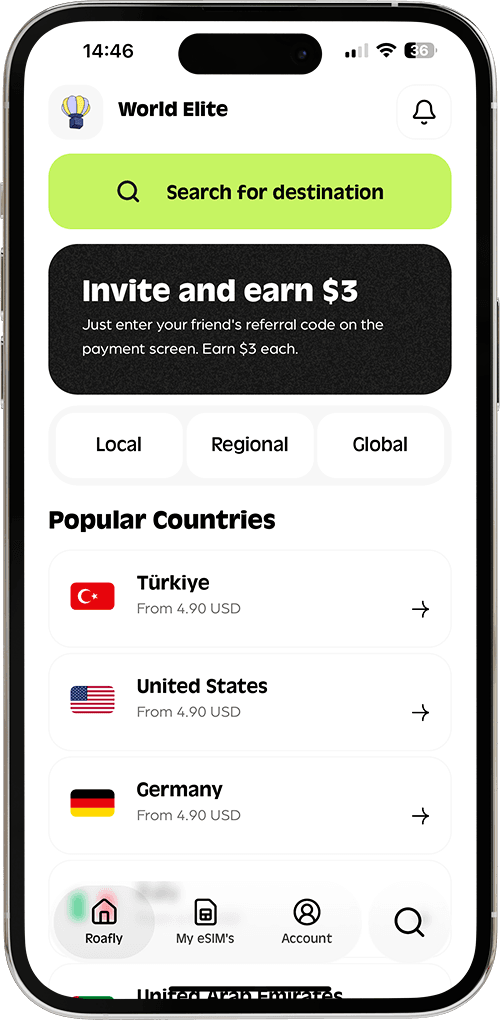
יצירת הזמנה במהירות
צפייה בפרטי ה-eSIM
מעקב אחר יתרת הנתונים
הורידו את האפליקציה ונהלו את כרטיסי ה-eSIM בקלות
יצירת הזמנה במהירות
צפייה בפרטי ה-eSIM
מעקב אחר יתרת הנתונים
קוסטה ריקה היא היהלום שבכתר הבלתי מעורער של מרכז אמריקה. עם יערות הגשם השופעים שלה, הרי הגעש המעשנים, ואורח החיים המפורסם והרגוע של "פורה וידה" (חיים טהורים), היא מושכת מדי שנה מיליוני תיירי אקולוגיה וגולשים.
Kölbi (ICE), Liberty
אספקה מיידית
החל מ-4.90 USD

Ethan Brooks
עודכן בתאריך 2 באוג׳ 2026
זמן קריאה: 9 דקות
מתאים לרוב הנסיעות
Kölbi (ICE), Liberty
קוסטה ריקה
10 GB · 30 ימים
מספיק נתונים למפות, להזמנות ולשימוש יומיומי בנסיעה.
תמיכה בשיתוף אינטרנט
$24.90
החל מ-4.90 USD
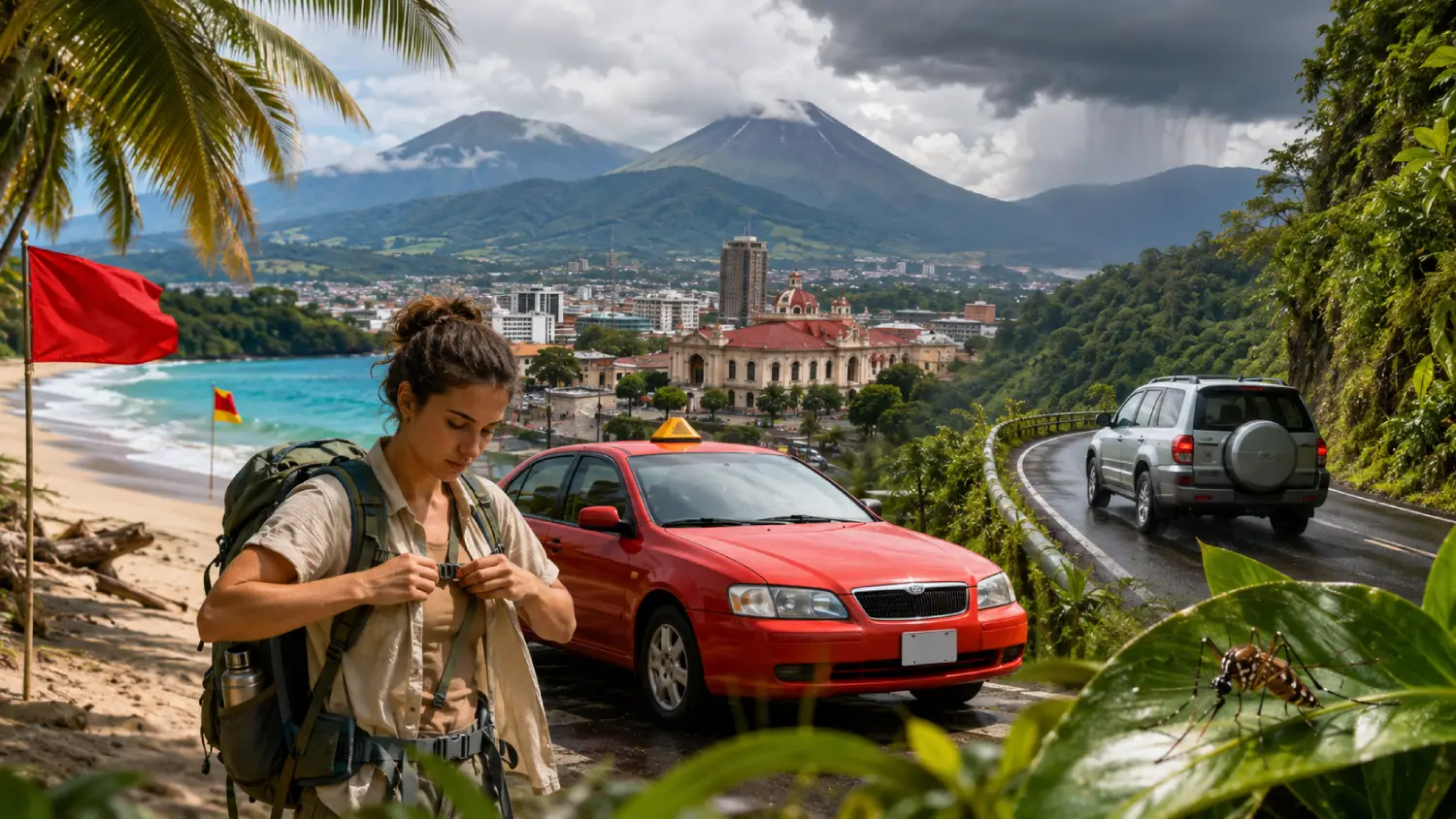
כן, קוסטה ריקה בדרך כלל מתאימה לתיירים בשנת 2026, אך זה לא יעד שבו מטיילים צריכים להתעלם מאמצעי זהירות יומיומיים. גניבות קטנות, פריצות לרכבי שכירות ולעיתים גם פשיעה אלימה הם החששות העיקריים מבחינת ביטחון. תנאי הדרך, זרמי סחף ובטיחות בטיולי הרפתקה עשויים להוות סיכונים מיידיים יותר במסלולים רבים. ארצות הברית ממליצה כיום על משנה זהירות בשל פשיעה, בעוד קנדה ממליצה על רמת זהירות גבוהה. התפרצות צ'יקונגוניה בצפון-מערב קוסטה ריקה מחייבת גם אמצעי זהירות מוגברים נגד יתושים, במיוחד למטיילים המבקרים בגואנקאסטה ובאזורים מושפעים סמוכים.
| נושא | הערכה נוכחית | מה מטיילים צריכים לדעת |
|---|---|---|
| בטיחות כללית לתיירים | בדרך כלל מתאימה עם אמצעי זהירות | רוב מסלולי התיירות עדיין אפשריים, אך מטיילים צריכים לתכנן סביב פשיעה, כבישים, חופים ומזג אוויר. |
| עצות נסיעה רשמיות | זהירות מוגברת | ארה״ב מדרגת את קוסטה ריקה ברמה 2; קנדה ממליצה על רמת זהירות גבוהה בשל פשיעה. |
| גניבות והונאות | נפוצות מספיק כדי להיערך אליהן | טלפונים, דרכונים, מזוודות וחפצים שנותרו ברכבים הם מטרות נפוצות. |
| פשיעה אלימה | פחות נפוצה מגניבות, אך אפשרית | שוד מזוין, תקיפה ותקיפה מינית עלולים להשפיע על תיירים, במיוחד בלילה או במקומות מבודדים. |
| תחבורה ונהיגה | סיכון מעשי בינוני | גשם, בורות בכביש, מפולות, תאורה מוגבלת וגשרים צרים יכולים לסבך נסיעות. |
| בריאות וסביבה | סיכונים מקומיים ועונתיים | צ'יקונגוניה, גשמים כבדים, זרמי סחף, רעידות אדמה ופעילות געשית מחייבים בדיקות עדכניות. |
| מספר חירום | 911 | אותו מספר מחבר בין המשטרה, האמבולנס ושירותי הכיבוי. |
קוסטה ריקה אינה נמצאת תחת אזהרת “אל תיסעו” או “שקלו מחדש את הנסיעה” כלל-ארצית מצד הממשלות שנבדקו. עם זאת, הניסוח זהיר יותר מאשר המלצה פשוטה לנסיעה ללא מגבלות.
הנחיות רשמיות עדכניות כוללות:
ה-אזהרת מחלקת המדינה של ארה"ב לגבי קוסטה ריקה הוא רמה 2: יש לנקוט משנה זהירות בשל פשיעה. הוא פורסם ב-2 באפריל 2026.
ה-ממשלת קנדה ממליץ למטיילים לנקוט רמת זהירות גבוהה בשל פשיעה. העמוד עודכן לאחרונה ב-29 ביולי 2026.
ה-משרד החוץ הבריטי אינו ממליץ כיום להימנע מנסיעה לקוסטה ריקה כולה, אך מזהיר מפני גניבות, שוד מזוין, תקיפה מינית, תנאי כביש, זרמי סחף ומפגעים טבעיים.
אזהרות אלה אינן אומרות שכל עיירת חוף או שכונה עירונית מסוכנות. הן אומרות שמטיילים צריכים להימנע מלהניח שהפופולריות התיירותית של קוסטה ריקה מוכיחה שאין צורך באמצעי ביטחון רגילים.
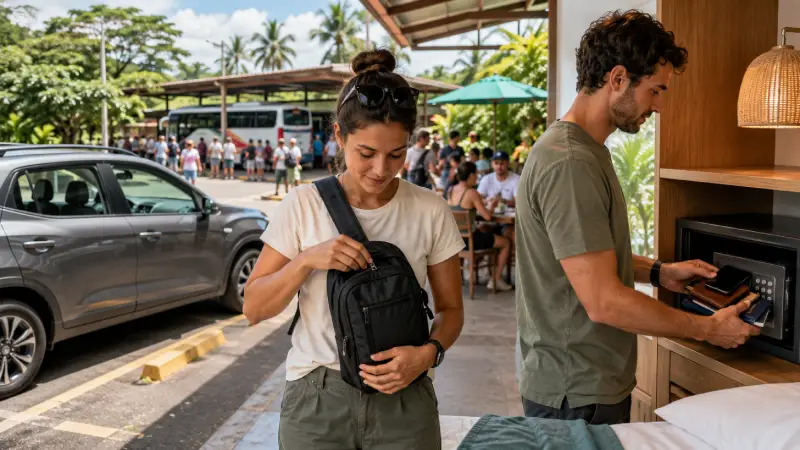
עבור רוב המבקרים, גניבה מזדמנת היא חשש מציאותי יותר מאשר אלימות חמורה.
הנחיות קנדיות מציינות שגניבות מתרחשות לעיתים קרובות במקומות כגון:
תחנות אוטובוס, אוטובוסים וטרמינלים בשדות תעופה
לובי של מלונות וטרסות של מסעדות
חופים, נקודות תצפית ואטרקציות עמוסות
שווקים ופארקים ציבוריים
אזורי חניה של פארקים לאומיים וסופרמרקטים
שמרו על התיקים מחוברים אליכם פיזית במקום לתלות אותם על כיסא. אל תניחו טלפון או ארנק על שולחן בחוץ, ושמרו על המזוודות באוטובוס בטווח ראייה ככל האפשר.
פריצות לרכבים הן דאגה משמעותית ברחבי המדינה. חפצים עלולים להיגנב מרכבים החונים בחופים, בבתי מלון, במסעדות, בסופרמרקטים ובפארקים לאומיים.
אמצעי זהירות מעשיים כוללים:
הוציאו את כל החפצים, כולל פריטים שהוסתרו בתא המטען.
בדקו ידנית שכל דלת ננעלה.
השתמשו בחניה מאוישת או מבוקרת כאשר היא זמינה.
אל תציגו מסמכי שכירות, תיקי מצלמה או כבלי טעינה.
היו זהירים אם זר מצביע על צמיג מפונצ'ר או מציע עזרה שלא התבקשה.
לפי דיווחים, גנבים ניקבו צמיגים ואז הסיחו את דעת הנהגים בזמן ששיתוף פעולה גנב מהרכב.
הנחיית ארה״ב מציינת ששוד מזוין, רצח ותקיפה מינית עלולים להשפיע על תיירים. גם הנחיות בריטניה מציינות כי ירי הקשור לכנופיות נעשה תכוף יותר בחלק מהאזורים העירוניים, כולל מקומות שבהם מבקרים מטיילים.
צמצמו את החשיפה שלכם על ידי הימנעות מרחובות חשוכים, חופים ריקים ומסלולי הליכה מבודדים לאחר רדת החשכה. אל תתנגדו לשוד מזוין. בחרו לינה עם מנעולים אמינים וגישה מבוקרת במקום להסתמך רק על המוניטין של היעד. איפה לשהות בקוסטה ריקה: מדריך לאזורים ולעיירות הטובים ביותר יכול לעזור בעת השוואת בסיסי יציאה מעשיים.
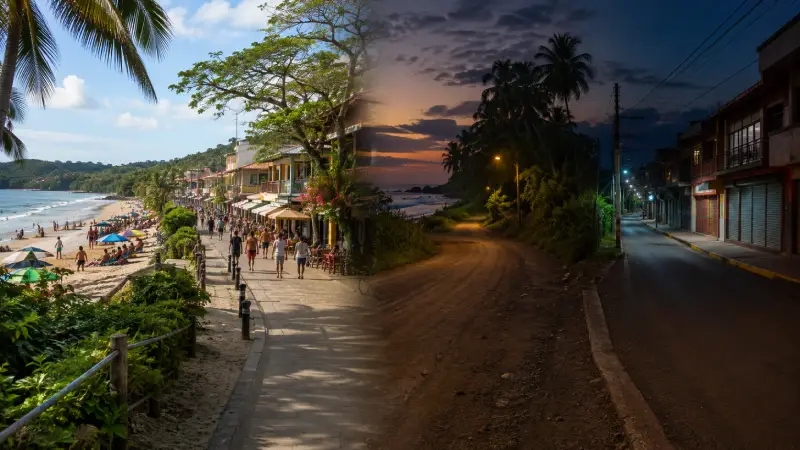
אין כיום רשימה ארצית מוגדרת על ידי הממשלה של אזורי תיירות “אסורים לכניסה.” במקום זאת, ההנחיות הרשמיות מזהות מקומות ומצבים שבהם גניבה דורשת תשומת לב נוספת.
קנדה מדגישה:
מרכז סן חוסה, כולל אזור מסוף האוטובוסים Coca-Cola, Mercado Central והפארקים הציבוריים
חאקו, מנואל אנטוניו, קפוס ודומיניקל
סנטה תרזה, מונטזומה, מאל פאס ופונטארנס
קהויטה, פוארטו לימון ופוארטו וייחו
מקומות אלה נותרו יעדי תיירות פעילים. הכללתם בהנחיות הרשמיות אינה אומרת שמבקרים חייבים לבטל תוכניות באופן אוטומטי; היא אומרת שטלפונים, תיקים, דרכונים, רכבים ותחבורה בלילה דורשים ניהול קפדני יותר.
ההבחנה השימושית ביותר היא לעיתים לא בין “ערים בטוחות” ל“ערים מסוכנות,” אלא בין מצבים בסיכון גבוה יותר ובסיכון נמוך יותר:
חוף עמוס ביום שונה מאותו חוף לאחר רדת החשכה.
הסעה מאובטחת של המלון שונה מרכב לא מסומן.
חניון מאויש שונה ממפרץ עצירה מבודד בצד הדרך.
שביל מסומן בפארק לאומי שונה ממסלול לא רשמי.
סכנות בכבישים ובמים יכולות להשפיע על תיירים שמעולם לא נתקלו בפשע.
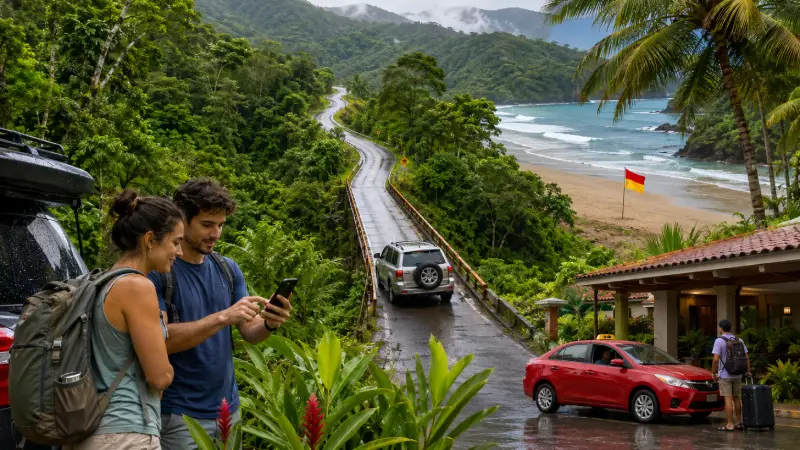
כבישים ראשיים בדרך כלל נוחים יותר לנסיעה מאשר דרכים מרוחקות או משניות, אך התנאים יכולים להשתנות במהירות. גשם כבד עלול ליצור בורות, הצפות, מפולות וסגירות. גשרים לעיתים מצטמצמים לנתיב אחד, בעוד שבדרכים כפריות עשויה להיות תאורה לקויה, בעלי חיים או הולכי רגל סמוך לכביש.
בעת נהיגה:
הימנעו מנסיעות ארוכות ולא מוכרות לאחר רדת החשכה.
הורידו או שמרו את המסלול לפני היציאה.
אל תעקבו בעיוורון אחר אפליקציית ניווט אל כביש שאינו מתאים.
הקצו זמן נוסף במהלך עונת הגשמים, מיוני עד נובמבר.
שאלו את חברת ההשכרה לגבי מצב הכבישים העדכני.
נהיגה בקוסטה ריקה: מדריך ל-Waze מול GPS וניווט מספקת עצות ניווט מפורטות יותר.
לאחר תאונה הכוללת פציעה או אחריות שנמצאת במחלוקת, אין להזיז את הרכב אלא אם הישארותו במקום יוצרת סכנה מיידית. הישארו בזירה והתקשרו ל-911.
מוניות רשמיות הן אדומות, בעוד שמוניות מורשות משדה התעופה הן כתומות. הנחיות בריטיות ממליצות על מוניות שנשלחות ברדיו ומייעצות לבדוק שתעודת הזיהוי של הנהג גלויה ושהמונה פועל. הימנעו מכלי רכב לא מסומנים מסוג “taxi pirata”.
זרמי סחף מתרחשים בשני החופים, ולחופים רבים אין מצילים קבועים. אין להתייחס למים שנראים רגועים כהוכחה לכך שתנאי השחייה בטוחים.
לפני הכניסה לאוקיינוס:
בדקו דגלי אזהרה ושאלו על התנאים המקומיים.
בחרו אזור ליד מציל, אם יש כזה.
אל תשחו לבד או אחרי שתיית אלכוהול.
הימנעו משפכי נהרות ומאזורים עם אזהרות לתנינים.
אם נקלעתם לזרם סחף, הישארו רגועים ושחו במקביל לחוף במקום נגדו ישירות.
הנחיות התיירות הרשמיות של קוסטה ריקה מזהה זרמי סחף כאחד ממפגעי החוף החשובים ביותר למבקרים.
קוסטה ריקה יכולה להתאים היטב לטיול עצמאי, אך מטיילים יחידים צריכים לתכנן את התנועה בלילה במקום להניח שעיירות תיירות עמוסות יישארו נוחות באותה מידה אחרי החשיכה.
הנחיות רשמיות מדווחות על הטרדה, תקיפה מינית ואירועים הקשורים למוניות ולנופשוני חוף. דווח גם על הוספת חומרים למשקאות.
אמצעי זהירות מועילים כוללים:
ארגנו תחבורה חזרה למקום הלינה לפני היציאה.
הימנעו מהליכה לבד לאורך חופים או כבישים לא מוארים בלילה.
שמרו על המשקאות בטווח ראייה וסרבו למשקאות פתוחים מזרים.
פגשו מכרים חדשים במקומות ציבוריים.
שתפו את פרטי מקום הלינה והתחבורה שלכם עם איש קשר מהימן.
פנו לעזרה דחופה אם מתפתחים בלבול פתאומי, ישנוניות חריגה או מחלה קשה לאחר שתייה.
אמצעים אלה חלים על כל המטיילים, אף שנשים המטיילות לבד עשויות להתמודד עם הטרדה נוספת או חששות נוספים לבטיחות אישית. טיול סולו בקוסטה ריקה: מדריך לבטיחות, סצנות חברתיות והישרדות ו-מדריך חיי הלילה בקוסטה ריקה: מועדונים, הונאות ואזורי מסיבות מספקים עצות תכנון ממוקדות יותר.
ה-הודעת ה-30 ביולי 2026 של ה-CDC מציב את קוסטה ריקה ברמה 2: נהגו באמצעי זהירות מוגברים בשל התפרצות צ'יקונגוניה בצפון-מערב. ההתפרצות זוהתה תחילה בפלאיה לנגוסטה, סנטה קרוז, גואנאקאסטה, שם משרד הבריאות של קוסטה ריקה הפעיל מעקב אפידמיולוגי ואמצעי הדברת יתושים.
מטיילים המבקרים באזורים שנפגעו צריכים:
להשתמש בדוחה חרקים יעיל.
ללבוש שרוולים ארוכים ומכנסיים כאשר הדבר מעשי.
לבחור מקום לינה עם רשתות או מיזוג אוויר.
להסיר או להימנע ממכלים המכילים מים עומדים.
לפנות לייעוץ רפואי במקרה של חום, כאבי מפרקים, פריחה או נפיחות במפרקים.
מטיילות בהיריון, מבוגרים ואנשים עם מצבים רפואיים רלוונטיים צריכים לעיין בהודעת ה-CDC ולדון באמצעי זהירות ספציפיים ליעד עם איש מקצוע רפואי.
גשם כבד יכול להשפיע גם על כבישים, מסלולי הליכה ופארקים לאומיים. בדקו את ה-המכון המטאורולוגי של קוסטה ריקה לפני נסיעות ארוכות או פעילויות חוץ, במיוחד בעונת הגשמים. הגישה לאזורים געשיים עשויה להשתנות בהתראה קצרה, לכן השתמשו בערוצי הפארק הרשמיים ולעולם אל תעקפו סגירות או שבילים מוגבלים.
שמרו את 911 למקרי חירום של משטרה, אמבולנס או כיבוי אש. רשות התיירות של קוסטה ריקה אומרת שאין צורך בקו נייד מקומי כדי להתקשר אליו.
שמרו את הדרכון, כרטיסי הבנק והמזומן הנוסף במקומות מאובטחים נפרדים.
הוציאו הכול מכלי רכב חונים, כולל תא המטען.
השתמשו במוניות רשמיות, בהסעות מוכרות ובמפעילי הרפתקאות מבוססים.
בדקו את מזג האוויר, מצב הכבישים והפארקים לפני מעבר בין אזורים.
הצטיידו בדוחה חרקים והשתמשו בו באופן עקבי באזורים עם התפרצויות ובאזורים מועדים ליתושים.
מטיילים הזקוקים לנתונים סלולריים עבור מפות, פרטי קשר של מקומות לינה, מידע על תחבורה והתראות רשמיות יכולים לעיין ב- eSIM לקוסטה ריקה. אפשרויות הקישוריות מוסברות גם ב- ה-eSIM הטוב ביותר לקוסטה ריקה.
קוסטה ריקה בדרך כלל בטוחה מספיק לתיירים שמתכוננים לסיכונים שבאמת משפיעים על הטיול: גניבות מזדמנות, פריצות לרכבים, בידוד בשעות הלילה, כבישים קשים, זרמי סחף ומחלות המועברות על ידי יתושים.
אין כרגע אזהרה ארצית להימנע מהמדינה. עם זאת, אזהרת רמה 2 של ארה״ב, רמת הזהירות המוגברת של קנדה וההודעה הפעילה על צ׳יקונגוניה מצדיקות תכנון נבון. אבטחו חפצי ערך, הימנעו משימוש ברכב כמחסן, ארגנו תחבורה לאחר רדת החשכה ובדקו עדכוני בריאות, מזג אוויר ופארקים זמן קצר לפני כל שלב של הטיול.
קוסטה ריקה מתאימה בדרך כלל למשפחות שבוחרות מקומות לינה ומפעילי טיולים מבוססים. על ההורים לשים לב במיוחד לתנאי השחייה, לבטיחות במרפסת או בבריכה, להגנה מפני יתושים ולנסיעות ארוכות בכביש.
תיירים מבקרים בסן חוסה באופן שגרתי, אך גניבות מחייבות משנה זהירות סביב רחובות מרכז העיר, שווקים, פארקים ואזורי תחנות אוטובוס. השתמשו בתחבורה מתוכננת לאחר רדת החשכה והימנעו מנשיאת חפצי ערך מיותרים.
הסיכון תלוי מאוד בסביבה. מסעדות ואזורי בילוי מאורגנים שונים מחופים ריקים, כבישים מבודדים ורחובות שאינם מוארים היטב. ההנחיות הרשמיות ממליצות להימנע ממקומות מרוחקים או שאינם מוארים היטב בלילה.
אין סיכון יחיד לכל מסלול. גניבות ופריצות לרכבים הן דאגות אבטחה חשובות, בעוד שתנאי הנהיגה וזרמי הסחף עשויים להיות סכנות מיידיות יותר למטיילים הנעים בין חופים, פארקים ויעדים כפריים.
מידע הבטיחות נבדק ב-2 באוגוסט 2026. התנאים והאזהרות הרשמיות עשויים להשתנות; יש לעיין בהנחיות הרשמיות המקושרות לפני הנסיעה.
מתאים לרוב הנסיעות
Kölbi (ICE), Liberty
קוסטה ריקה
10 GB · 30 ימים
מספיק נתונים למפות, להזמנות ולשימוש יומיומי בנסיעה.
תמיכה בשיתוף אינטרנט
$24.90
החל מ-4.90 USD
בחרו את חבילת הנתונים המתאימה לנסיעה

ניהול ה-eSIM שלך באפליקציה
התקנה, טעינה ומעקב אחר צריכת הנתונים.
