

'%3e%3ccircle r='20' fill='%23008'/%3e%3ccircle r='17.5' fill='%23fff'/%3e%3ccircle r='3.5' fill='%23008'/%3e%3cg id='d'%3e%3cg id='c'%3e%3cg id='b'%3e%3cg id='a' fill='%23008'%3e%3ccircle r='.875' transform='rotate(7.5 -8.75 133.5)'/%3e%3cpath d='M0 17.5.6 7 0 2l-.6 5L0 17.5z'/%3e%3c/g%3e%3cuse xlink:href='%23a' transform='rotate(15)'/%3e%3c/g%3e%3cuse xlink:href='%23b' transform='rotate(30)'/%3e%3c/g%3e%3cuse xlink:href='%23c' transform='rotate(60)'/%3e%3c/g%3e%3cuse xlink:href='%23d' transform='rotate(120)'/%3e%3cuse xlink:href='%23d' transform='rotate(-120)'/%3e%3c/g%3e%3c/svg%3e)
For travelers planning a trip to South Asia (India, Bangladesh) or even transiting through Southeast Asia, clarity is essential. While the virus is serious, the risk to the average tourist is manageable—if you know how it spreads.
In this update, we break down the current situation, the travel advisories (including new airport screenings in Thailand), and the official safety guidelines from the World Health Organization (WHO).
1. What is Happening? (January 2026 Update)
In late January 2026, health officials confirmed a localized cluster of Nipah Virus cases in the West Bengal state of India (near Kolkata). Following this, neighboring countries like Thailand have ramped up health screenings for passengers arriving from affected Indian regions.
The "Need-to-Know" Facts:
-
Location: The current focus is West Bengal, India.
-
Seasonality: Nipah outbreaks in this region are seasonal, typically occurring between January and April. This coincides with the date palm sap harvesting season (more on that below).
-
Mortality: According to the World Health Organization (WHO), the fatality rate can be high (40% to 75%), which is why authorities take it so seriously.
2. How Does It Spread? (The "Date Juice" Warning)
This is the most critical section for tourists. Unlike the flu or COVID-19, Nipah has very specific transmission routes.
The Primary Culprit: Fruit Bats The natural host of the virus is the fruit bat.
-
The Danger: In South Asia, a popular local drink is raw date palm sap (collected from trees overnight). Bats often drink from these same pots at night, contaminating the sap with saliva or urine.
-
The Rule: DO NOT drink raw date palm sap. If you are visiting rural areas in India or Bangladesh, politely decline this specific local beverage.
Other Transmission Routes:
-
Contaminated Fruit: Eating fruit that has been partially eaten by bats.
-
Person-to-Person: Close contact with infected patients (usually family members or caregivers).
3. Travel Restrictions & Airport Screenings
As of late January 2026, no total travel bans have been issued, but procedures have tightened.
-
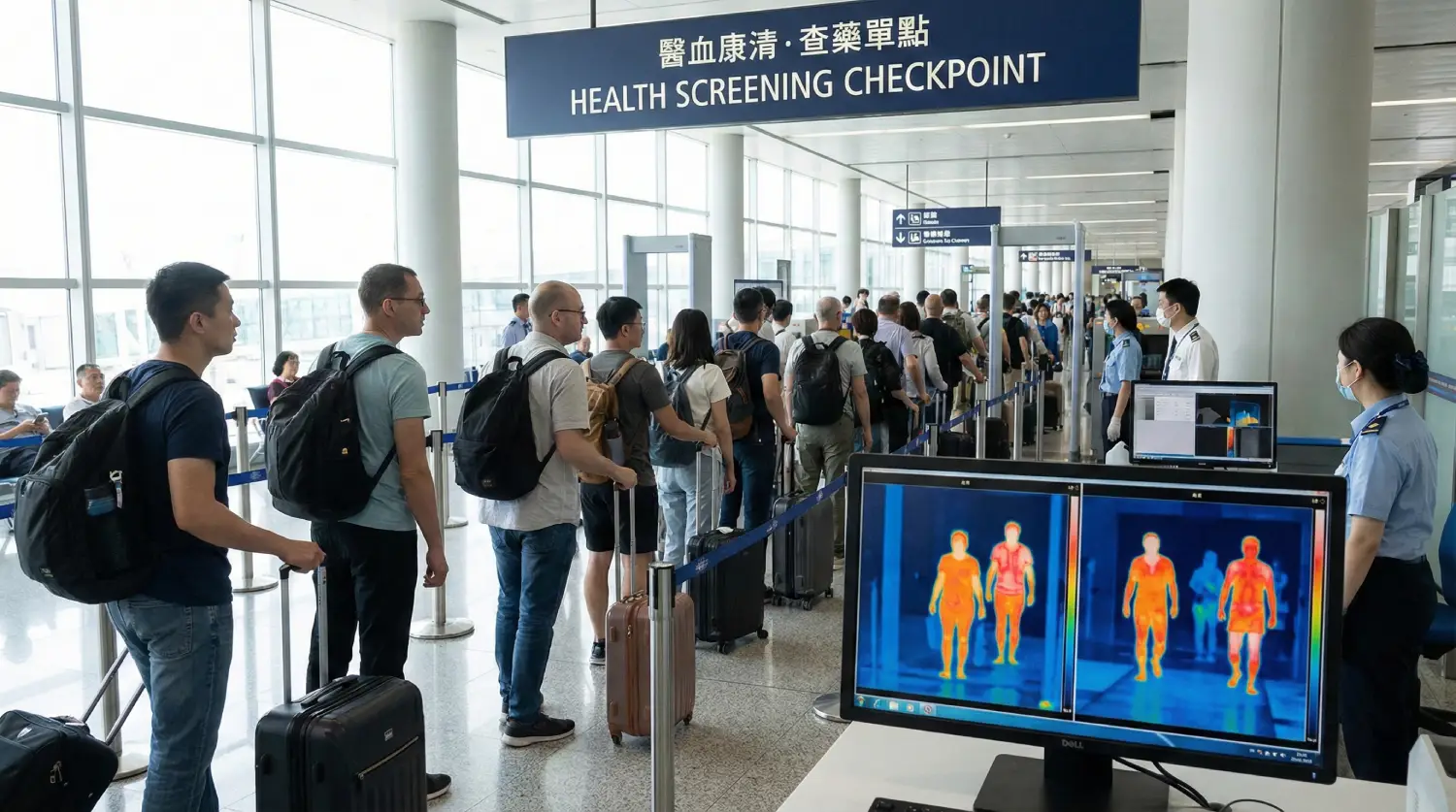
Thailand & Southeast Asia: Airports may have thermal scanners or "Health Declaration Forms" for travelers arriving from India. Expect slight delays at immigration.
-
CDC Advice: The US Centers for Disease Control (CDC) advises travelers to practice enhanced hygiene and avoid contact with sick animals or people.
4. How to Stay Safe: A Tourist Checklist
You don't need to cancel your trip, but you should adjust your habits.
-
Wash Your Fruit: Avoid eating fruits that cannot be peeled. If you buy fruit from a street market, wash it thoroughly and peel it yourself.
-
Avoid Bats: Stay away from areas known for large bat roosts.
-
Hand Hygiene: Wash hands regularly with soap and water.
-
Monitor Your Health: If you develop symptoms (fever, headache, cough) within 14 days of travel, seek medical attention immediately and inform the doctor of your recent travel history.
5. Why Connectivity is a Safety Tool
In a health situation, misinformation is dangerous. You need real-time access to reliable news.
-
Finding Help: If you feel unwell, you need to find the nearest international hospital immediately via Google Maps.
-
Checking Flights: Health screenings can cause sudden flight delays. You need live alerts.
-
Communication: You may need to contact your travel insurance provider urgently.
Don't rely on spotty hotel Wi-Fi in an emergency. Ensure you have a reliable connection the moment you land.
Need data in India? Get an eSIM!
Choose the perfect data plan for your trip

Manage your eSIM in the app
Install, top up and track data.
Disclaimer: This article provides general travel information based on news from January 2026. For medical advice, always consult a professional. Please refer to the WHO Nipah Fact Sheet and local government announcements for the latest official directives.