



🔔 Update: Russia eSIM Works Again in 2026 (Roafly Users)
Important update for travelers:
As of 2026, Roafly eSIMs are working again in Russia through a verified activation flow via MTS SMS registration. Based on recent tests, users no longer experience the mandatory 24-hour data block after completing the registration step.
If you’re planning a trip soon, we’ve published a new, step-by-step guide explaining how Roafly eSIM activation works in Russia, what to expect after landing, and how to fix common signal issues.
👉 Read the full 2026 Russia eSIM activation guide here
Note: This update is confirmed for Roafly eSIMs. Other providers may follow different activation rules.
Need data in Russia? Get an eSIM!
Choose the perfect data plan for your trip

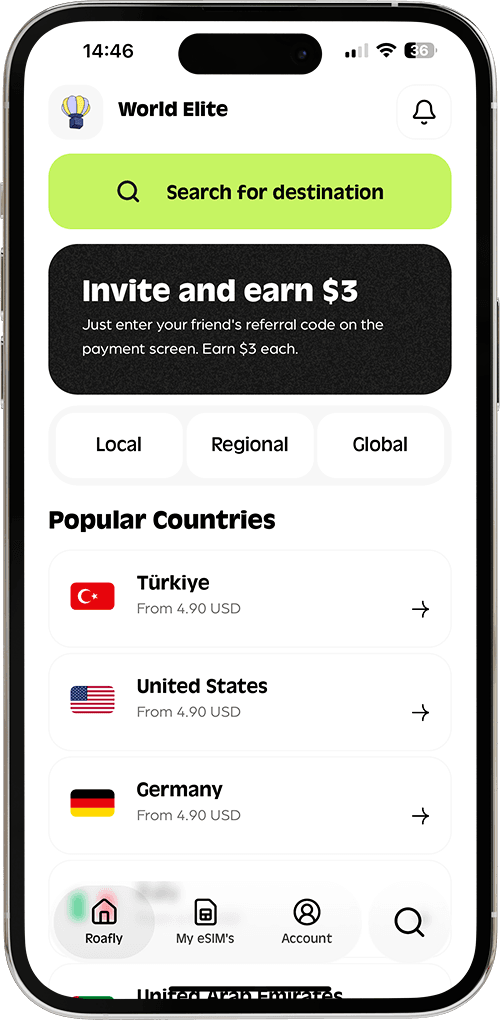
Manage your eSIM in the app
Install, top up and track data.
What’s Happening in Russia?
Since October 6, 2025, travelers entering Russia with foreign SIM cards or eSIMs have started experiencing complete mobile data and SMS blocks during the first 24 hours after connecting to a Russian mobile network.
While voice calls usually remain functional, mobile internet and text messaging are automatically disabled — a measure reportedly introduced by the Russian government for “security reasons.”
This marks the first large-scale eSIM restriction in Russia, affecting both traditional SIM cards and digital eSIM profiles from international providers such as Roafly, Airalo, Holafly, and others.
According to multiple Russian and European telecom sources, the 24-hour data blackout applies to all foreign numbers roaming inside Russia.
Even after the initial 24-hour window, if the SIM remains inactive for three days, the block can reapply automatically, creating recurring downtime for visitors.
Why Did Russia Enforce This?
Officials and local reports suggest that the restriction is part of a national security protocol.
Russian authorities claim that foreign SIM cards and eSIM profiles have been used for remote drone operations and unauthorized communication activities, leading to the implementation of a “cooling-off” period to prevent misuse.
While the initial plan mentioned a 5-hour delay, the new system enforces a full 24-hour suspension of data and SMS when a foreign SIM first connects to Russian networks such as MTS, MegaFon, Beeline, or Tele2.
For now, there has been no official end date or clear guidance on whether the policy will remain temporary or become permanent.
As of mid-October 2025, the restriction continues to be observed by multiple foreign travelers and mobile operators across Europe and Asia.
Planning a Trip to Russia?
If you’re traveling soon and want reliable mobile data from day, check out Roafly’s eSIM plans for Russia — instant activation, no physical SIM needed, and full coverage across major Russian networks.
👉 View Russia eSIM Plans on Roafly
How This Affects Travelers and Roafly eSIM Users
If you’re traveling to Russia with a Roafly eSIM or any other international eSIM, here’s what to expect:
-
Your mobile data and SMS will likely not work for the first 24 hours after activation.
-
Voice calls should still function.
-
After the first day, internet access should resume automatically, but it may freeze again if the eSIM remains unused for several days.
-
Wi-Fi (in hotels, cafés, or airports) continues to work normally — it’s your best option during the blocked period.
-
Local Russian eSIMs from MTS, Beeline, or MegaFon may still function, but usually require passport-based registration and a local address.
How to Stay Connected: Tips from Roafly
1. Use Wi-Fi Immediately
Upon arrival, connect to available Wi-Fi networks (hotel, airport, or café).
Apps like WhatsApp, Telegram, and Google Maps will work seamlessly connected.
2. Prepare Before You Fly
Download offline maps, translation packs, and save boarding passes or confirmations locally.
This ensures you won’t be stuck without access to essential info during the first 24 hours.
3. Keep Your eSIM Active
Once your Roafly eSIM connects and becomes active, try sending a message or making a quick call after 24 hours.
If the SIM stays inactive for too long, the system may reapply another 24-hour block.
4. Avoid Unverified Local Sellers
Some travelers may consider buying a local Russian SIM for full-speed internet, but remember:
-
Only authorized retailers can legally issue Russian SIMs/eSIMs.
-
You will be required to show your passport and sometimes temporary registration documents.
5. Roafly’s Recommendation
If your trip includes multiple destinations (for example, Finland → Russia → Kazakhstan), we recommend activating your Roafly eSIM in the previous country, before entering Russia.
This allows the profile to be provisioned correctly and avoids immediate blocking delays on arrival.
Frequently Asked Questions
Q: Can I make phone calls in Russia with my Roafly eSIM?
A: Yes, voice calls usually work even during the 24-hour block. mobile data and SMS are affected.
Q: Will WhatsApp, Telegram, or iMessage work?
A: They will work over Wi-Fi during the first 24 hours. After that, your mobile data should start working again.
Q: Does this apply to Russian citizens or foreigners?
A: The restriction targets foreign SIM and eSIM profiles used in roaming mode.
Local Russian numbers are not affected.
Q: Is this permanent?
A: It’s not yet clear. The rule was introduced in early October 2025 as a “temporary security measure,” but no official end date has been given.
Final Thoughts
Russia’s move to restrict foreign eSIMs and SIM cards marks a significant shift in how travelers stay connected.
While these measures are framed as security precautions, they cause practical issues for tourists and business visitors relying on mobile data.
At Roafly, we continue to monitor these developments closely and keep our users informed about any new restrictions affecting eSIM connectivity worldwide.
For now, travelers to Russia should plan ahead, use Wi-Fi for the first 24 hours, and stay prepared for possible temporary connection interruptions.
🛰️ Stay connected with Roafly — the smarter way to travel.
Whether you’re visiting Europe, Asia, or the Middle East, our eSIMs give you coverage in 200+ countries — and we’ll always keep you updated about new regional rules and connectivity changes.
Also Read: Turkey Blocks eSIM Providers: What Travelers Need to Know