

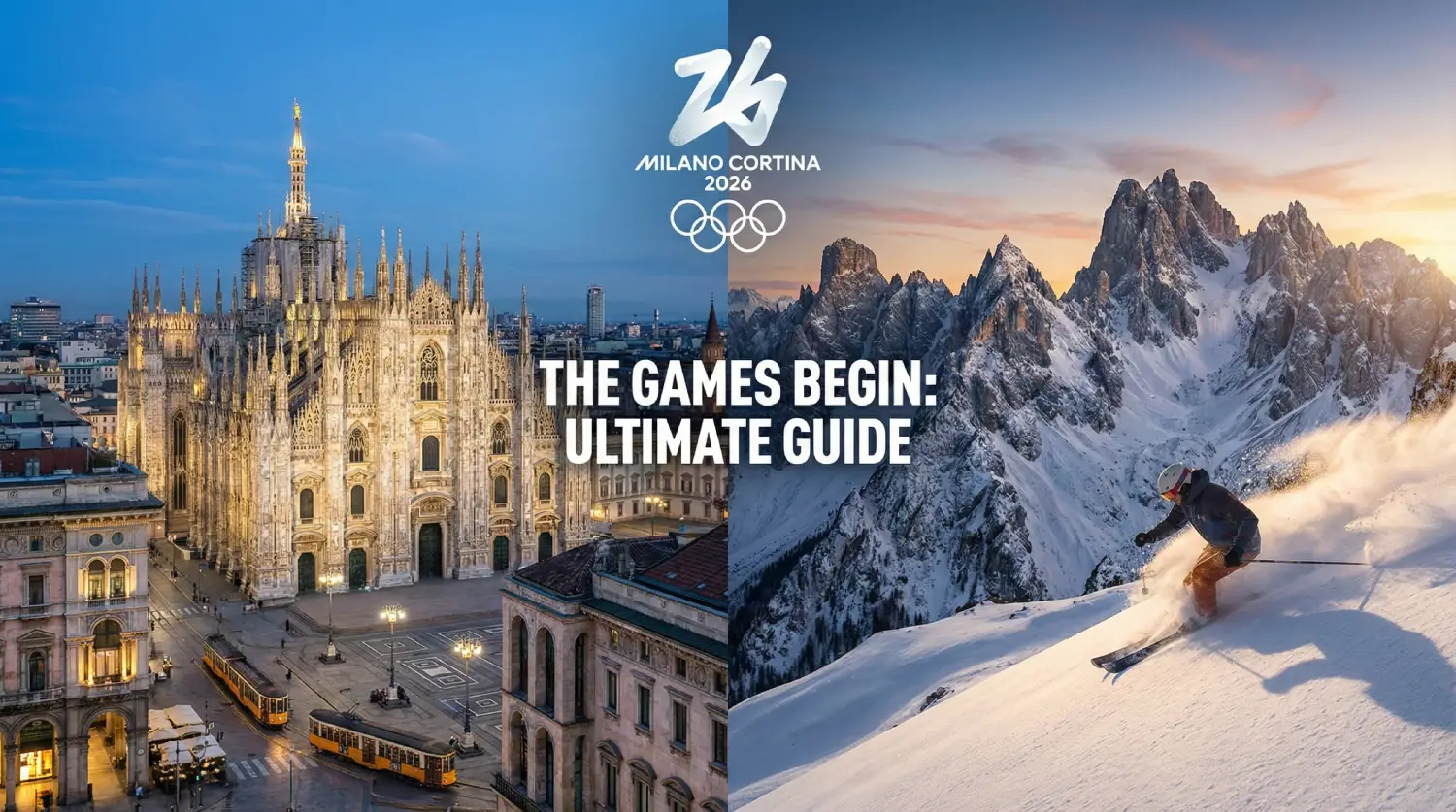

This is a historic Olympics for two reasons. First, it marks the triumphant return of NHL players to Men's Ice Hockey after a long absence, promising the highest level of competition we have seen in decades. Second, it is the most geographically decentralized Olympics in history.
Forget the "Olympic Park" concept where you can walk from the swimming pool to the stadium. Milano Cortina 2026 is spread across 22,000 square kilometers of Northern Italy. It stretches from the fashion runways of Milan to the jagged limestone peaks of the Dolomites.
If you are reading this, you are likely either in Italy right now or packing your bags. You might be realizing that getting from the Duomo in Milan to the slopes of Cortina is not a quick Uber ride—it’s a 5-hour expedition.
This comprehensive guide is your logistical bible. We cover the full sports program, the "Must-Watch" events, the transport matrix between clusters, and the cultural nuances of surviving the Italian Alps in February.
1. The "Dual-City" Concept: Understanding the Zones
To navigate these games, you must understand that "Milano Cortina" is just the brand name. The events are actually taking place in three distinct regions: Lombardy, Veneto, and Trentino-Alto Adige.
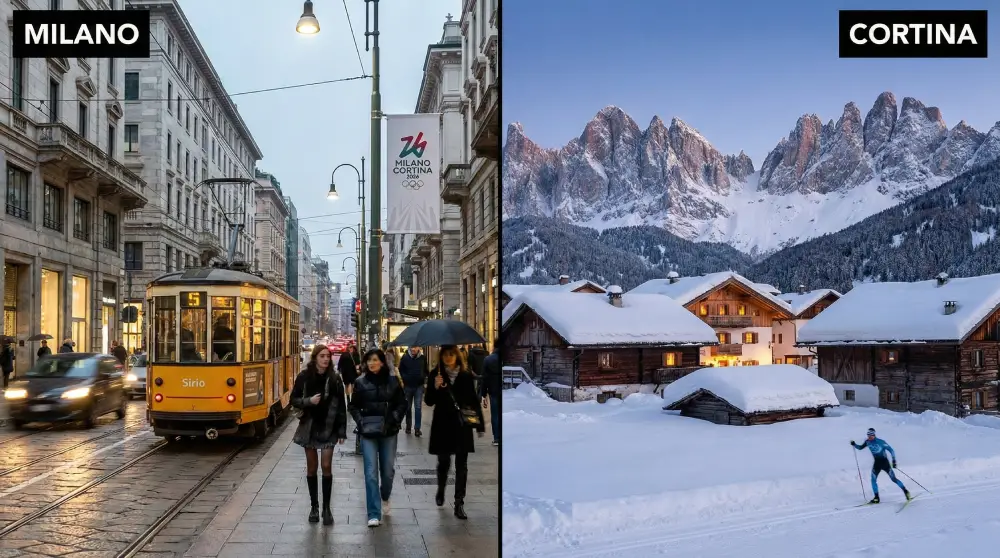
Here is the breakdown of the Four Key Clusters:
Cluster A: Milano (The Ice City)
This is the urban heart. If you hate the cold and love the metro, stay here.
-
Opening Ceremony: San Siro Stadium (Feb 6).
-
Ice Hockey: PalaItalia Santa Giulia (Men's) & Rho Fiera Milano (Women's).
-
Figure Skating & Short Track: Mediolanum Forum (Assago).
-
Vibe: Metropolitan, chic, aperitivo hour, easy transport.
Cluster B: Cortina d'Ampezzo (The Queen of the Dolomites)
The historic, glamorous heart of winter sports (host of the 1956 Olympics).
-
Alpine Skiing (Women): Olympia delle Tofane (The most scenic run in the world).
-
Curling: Olympic Stadium (The historic 1956 venue, refurbished).
-
Sliding Center (Bobsleigh/Luge/Skeleton): Eugenio Monti Track.
-
Vibe: Fur coats, luxury shopping, stunning scenery, expensive wine.
Cluster C: Val di Fiemme & Anterselva (The Nordic Heart)
Located in the Trentino region, famous for its forests and endurance sports.
-
Ski Jumping & Nordic Combined: Predazzo.
-
Cross-Country Skiing: Tesero.
-
Biathlon: Anterselva (Antholz) - The "Wimbledon of Biathlon".
-
Vibe: Traditional Tyrolean villages, cowbells, passionate German/Scandinavian fans.
Cluster D: Valtellina (The Adrenaline Zone)
The rugged mountains closer to the Swiss border.
-
Bormio: Alpine Skiing (Men). The legendary "Stelvio" piste is the hardest downhill course in the world.
-
Livigno: Snowboard & Freestyle Skiing. This is the "X-Games" zone (Halfpipe, Slopestyle).
-
Ski Mountaineering (Skimo): Debut event!
-
Vibe: Young, energetic, party atmosphere, snowboard culture.
2. Travel Matrix: Realistic Travel Times
Do not underestimate the distances. Crossing from the West (Milan) to the East (Cortina) involves traversing mountain passes or looping around the south via Verona.
⚠️ Transport Warning: The mountain roads (especially towards Cortina and Livigno) require winter tires or chains by law. Police checks are frequent. If you are not comfortable driving on snow, stick to the trains and official shuttle buses.
3. The Sports Program: What to Watch & When
With 116 medal events, you can't see everything. Here are the highlights you simply cannot miss.
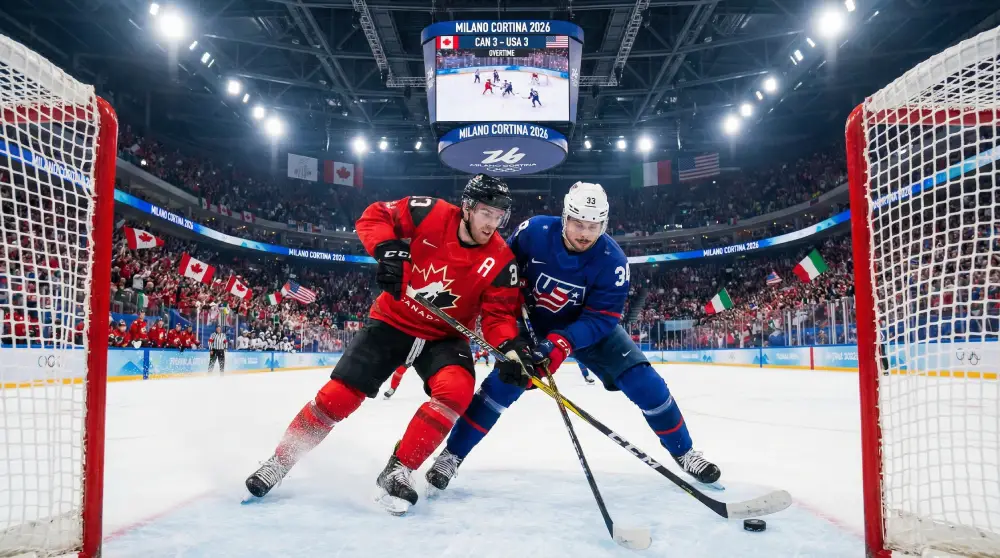
The Big News: NHL Players are Back
For the first time since 2014, the NHL has paused its season to allow the world's best players to compete.
-
Why it matters: We finally get to see "Best on Best". Team Canada (McDavid, Bedard) vs. Team USA (Matthews, Hughes) vs. Sweden vs. Finland.
-
Key Dates:
-
Feb 18: Men's Quarterfinals.
-
Feb 20: Men's Semifinals (The atmosphere will be electric).
-
Feb 22: Men's Gold Medal Game (PalaItalia). The hottest ticket in town.
-
The Debut: Ski Mountaineering ("Skimo")
This is the new sport for 2026. Athletes ski uphill using "skins" on their skis, then race downhill. It is exhausting and chaotic.
-
Where: Bormio.
-
Watch if: You want to see the future of winter endurance sports.
The Classics: Alpine Skiing
-
Men's Downhill (Bormio - The Stelvio): Watching skiers hit 140km/h on pure ice is terrifying and exhilarating.
-
Women's Downhill (Cortina - Tofane): The backdrop of the Dolomite rocks makes this the most photogenic event of the games.
Schedule Overview (Cheat Sheet)
Need data in Italy? Get an eSIM!
Choose the perfect data plan for your trip
4. Participating Countries & "Fan Zones"
Over 90 nations are competing. While the stadiums are great, the Fan Zones (or "Houses") are where the real party happens.
-
Casa Italia (The Host): Usually the best food and wine. Located in Milan. Expect espresso bars and high fashion.
-
Holland Heineken House: Wherever the Dutch go, they bring the party. Famous for Speed Skating celebrations. Expect orange everywhere, DJs, and lots of beer.
-
Team USA House: A hub for American families and athletes.
-
The "Viking" Corners: In Anterselva (Biathlon) and Val di Fiemme (Cross-Country), expect thousands of Norwegian, Swedish, and German fans camping in the snow, grilling sausages, and ringing cowbells.
5. Accommodation Strategy: The "Hub" Approach
If you haven't booked yet, Cortina is likely sold out or exorbitantly priced. Don't panic. Use the Hub Strategy.
Instead of Cortina ➡️ Stay in Brunico or San Candido. These towns are on the Puster Valley train line. They are connected to the Olympic venues by efficient shuttle buses (30-40 mins) but offer accommodation at half the price.
Instead of Milan Center ➡️ Stay in Monza or Como. Milan hotels have tripled their rates. Monza is 15 minutes by train from Milan Central. Como offers a scenic lakeside retreat and is 40 minutes away.
The "Verona" Wildcard Verona is hosting the Closing Ceremony in its ancient Roman Arena. It sits perfectly at the intersection of the train lines coming from Milan and the Brenner Pass (Austria). It is a strategic base for the second week of the games.
6. Budgeting & Prices: The "Olympic Inflation"
Italy is generally more affordable than Switzerland or France, but during the Games, prices spike.
-
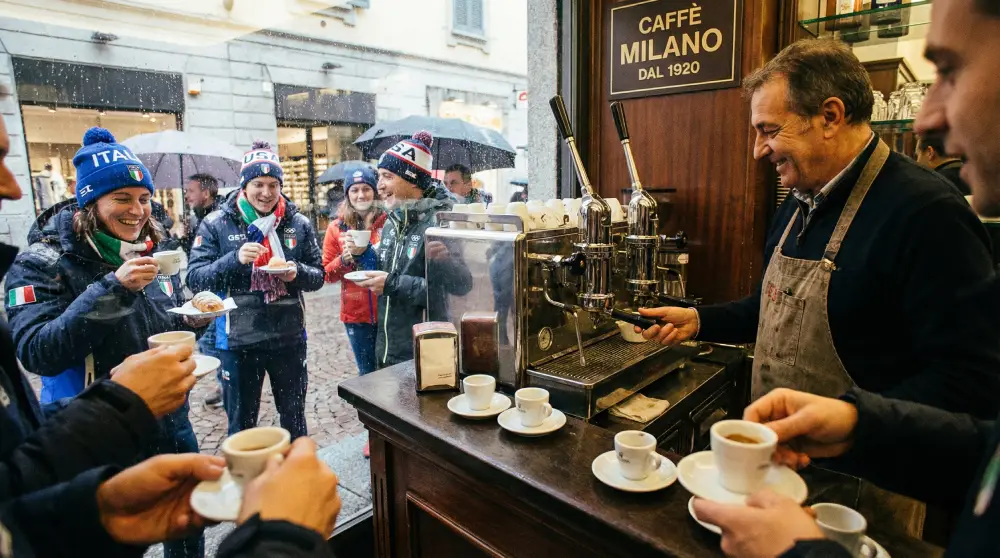
Coffee: Legally protected culture! An Espresso at the bar is still €1.50.
-
Pizza: A good Margherita in Milan is €10-€15.
-
Mountain Food: In the Dolomites (Rifugios), expect to pay €18-€25 for a hearty plate of Canederli (Dumplings) or Polenta with Deer ragu.
-
Alcohol: An Aperol Spritz is around €6-€8 (often comes with free snacks during Aperitivo hour, 6-8 PM).
-
Tickets: Resale tickets for heats start around €40, but finals can reach €500+.
7. Survival Tips for the Spectator
1. Dress for Two Climates Milan will be damp and chilly (5°C to 10°C). The mountains (Livigno/Anterselva) will be freezing (-10°C to -15°C).
-
Tip: Wear layers. You need a heavy down jacket for the mountains but lighter layers for the heated metro in Milan.
-
Footwear: If you are going to the snow zones, wear waterproof boots with grip. You will be standing on snow for hours.
2. Cash vs. Card
-
Milan/Cortina: Contactless payment (Apple Pay/Google Pay) is everywhere.
-
Small Mountain Huts: Some remote Rifugios still prefer cash. Keep €50 in cash on you just in case.
3. Download the Apps
-
Milano Cortina 2026 Official App: For live scores and shuttle bus schedules.
-
Trenitalia: For booking train tickets instantly.
-
Weather App: Mountain weather changes in minutes.
8. Connectivity: The "Mountain Signal" Problem
Here is a reality check: You are in the Alps. While Milan has perfect 5G coverage, the valleys between Cortina and Anterselva can have spotty reception.
If you rely on public Wi-Fi at the venues, you will be disappointed. When 15,000 people try to upload a video of a ski jump simultaneously, the network crashes.
To navigate the mountain roads, access your digital tickets, and find your friends in the Fan Zones, you need a dedicated connection on a premium Italian network (TIM or Vodafone infrastructure).
-
For Italy: Secure a high-speed Italy eSIM. It connects instantly to the strongest local tower.
-
The European Tour: If you are flying into Munich (Germany) or Zurich (Switzerland) and driving down to the games, you need cross-border data. A Regional Europe eSIM covers you in all these countries without swapping SIMs.
Need data in Italy? Get an eSIM!
Choose the perfect data plan for your trip
The 2026 Games are not just about sport; they are a tour of Northern Italy's soul. From the urban energy of Milan to the silent majesty of the Dolomites, enjoy the show!
