

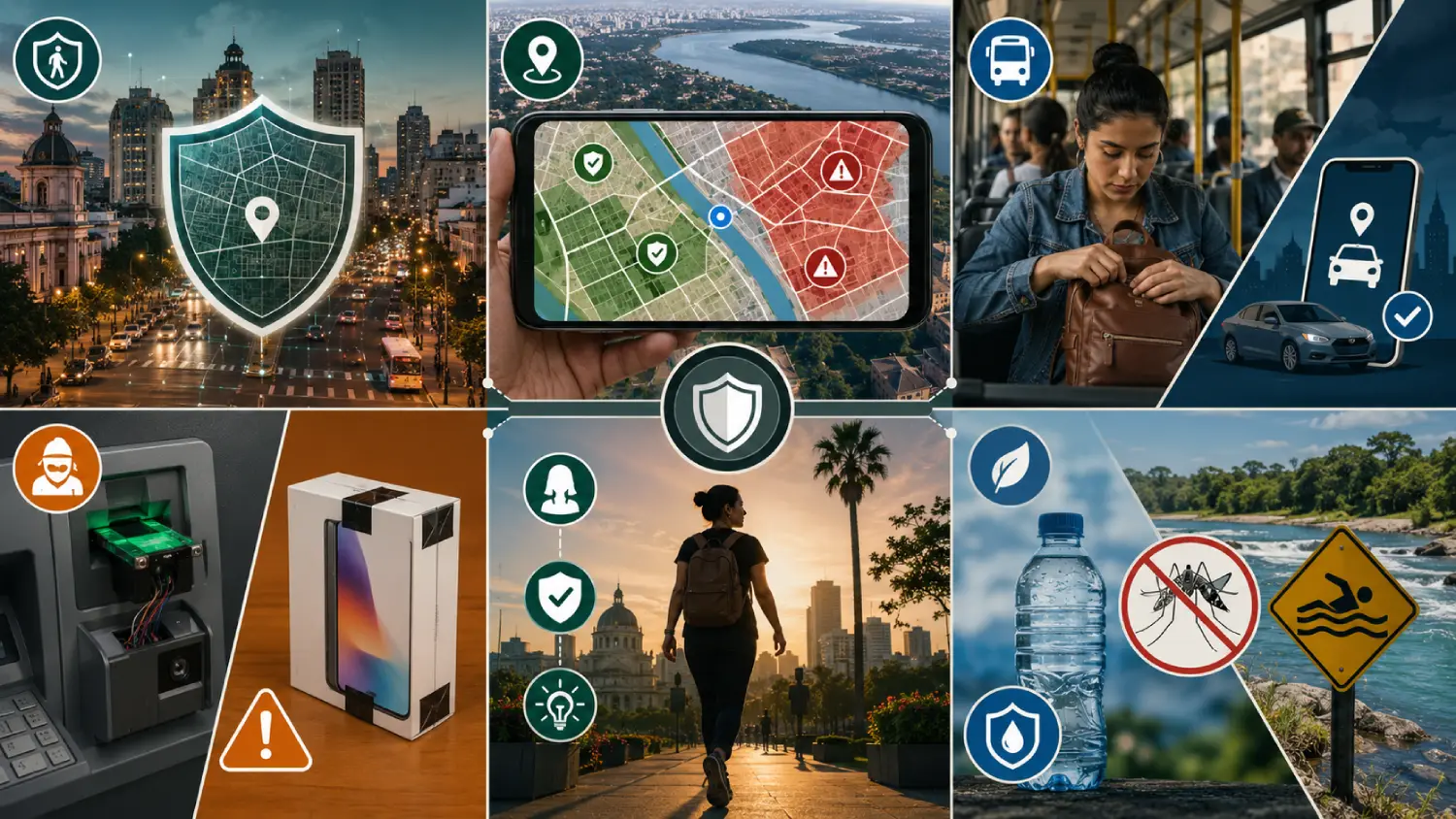

The short answer is Yes, Paraguay is generally safe for travelers, but it comes with distinct asterisks that you cannot ignore. In recent years, the nature of safety here has shifted away from generalized civil unrest toward localized, organized crime and opportunistic city theft. If you stick to established corridors, your chances of running into serious trouble are remarkably low.
However, treating the capital city the same way you would treat a sleepy rural village is a fast track to becoming a statistic. The country is currently experiencing a wave of economic transitions, which means petty theft has evolved into more sophisticated financial traps. Understanding where to step and what to avoid is the definitive key to unlocking this fascinating destination without incident.
The Street Reality of Organized Crime and Politics
For decades, external perceptions of Paraguay were dominated by stories of military dictatorships and lawless border regions. In 2026, the political climate is stable, and regular tourists are highly unlikely to witness any political violence. The government has heavily increased police presence in major municipal areas to protect foreign investments and growing tourism sectors.
However, organized crime remains a powerful undercurrent that shapes the country's security dynamics. Major international drug cartels and smuggling networks operate heavily along the border zones, particularly in the Tri-Border Area shared with Brazil and Argentina. These syndicates rarely target foreign tourists, as their focus remains on moving illicit goods across international lines.
The real threat to everyday travelers stems from the trickle-down effect of these criminal structures into urban areas. Local street gangs, frequently fueled by local narcotics trades, drive up property and violent crime rates in specific city peripheries. Police forces are strict but often underfunded, meaning their enforcement is highly reactive rather than preventative.
Before packing your bags, make sure you understand the baseline legal landscape. You can read up on all the essential regulatory updates in our comprehensive guide on Paraguay Tourist Bans & Laws.
Mapping Out the Safe Zones and No-Go Neighborhoods
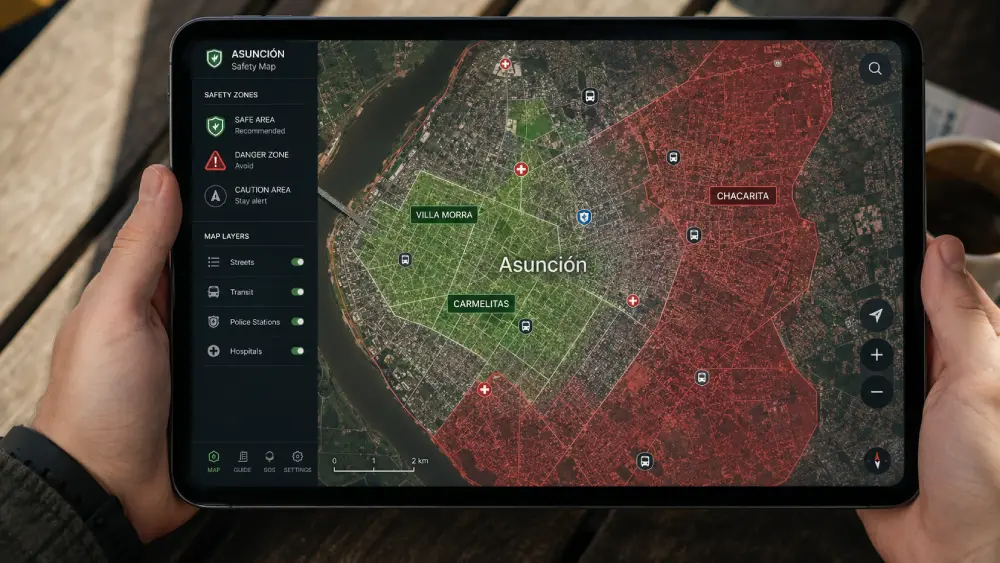
Navigating the capital city of Asunción requires a clear mental map of economic divides. The city is split between hyper-modern, affluent commercial hubs and dense, low-income informal settlements known locally as bañados. Wandering across the wrong street can instantly transition you from a secure shopping district to an area with high violent crime rates.
The safest neighborhoods for tourists to base themselves are Villa Morra and Carmelitas. These upscale districts host the city's finest hotels, high-end restaurants, and heavily guarded corporate centers. Streets here are generally well-lit, highly monitored by private security, and subjected to regular police patrols, making them excellent choices for evening walks.
In stark contrast, you must completely avoid the informal settlement known as Chacarita, which sits dangerously close to the historic downtown and the National Congress building. Do not wander into this neighborhood under any circumstances, as armed robberies and opportunistic muggings occur here daily, even during broad daylight. The industrial zone of Zeballos Cue should also be avoided due to its high density of isolated, unlit port roads and elevated crime rates.
When exploring the wider metropolitan area of Greater Asunción, a high degree of caution is required in several surrounding suburbs. Crime data from 2026 indicates elevated risks of carjackings and armed robberies in these specific jurisdictions. You should minimize your time spent on foot in these municipal zones:
-
San Lorenzo
-
Luque
-
Lambaré
-
Fernando de la Mora
-
Limpio
-
Mariano Roque Alonso
-
Nemby
-
Villa Elisa
On a national level, specific departments along the eastern border are notorious hubs for arms and drug trafficking. The departments of Amambay, Alto Paraná, and Canindeyú require extreme vigilance, and independent nighttime travel there should be entirely canceled. Furthermore, specialized insurgent groups operate in the northern part of the San Pedro department and the southern reaches of the Concepción department, making these regions entirely unsuitable for casual backpacking.
Surviving the Chaos of Paraguayan Transportation
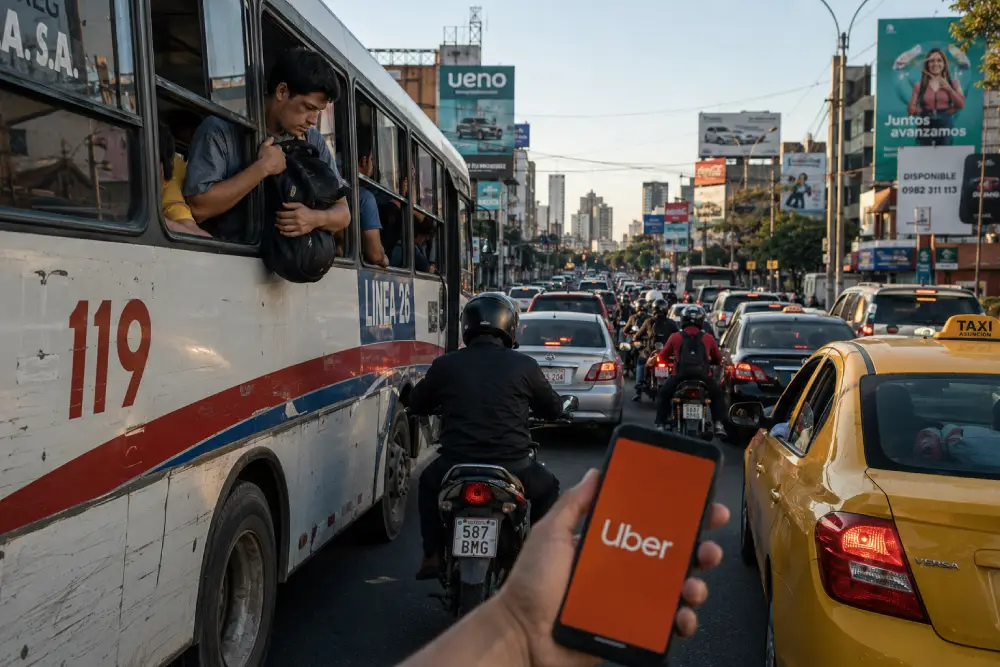
Getting from point A to point B in Paraguay is often the most stressful part of any itinerary. Public infrastructure lags behind neighboring countries, making transit logistics a core safety concern. Road safety is notoriously poor throughout the country, with traffic accidents involving motorcycles spiking dramatically every year.
When navigating urban centers, your safest bet by far is using ride-hailing applications like Uber or the local alternative, Muv. These platforms offer digital tracking, verified driver profiles, and pre-determined pricing, removing the risk of taxi driver scams. If you must use traditional street taxis, always ensure the meter is running or negotiate a firm price before your shoes cross the vehicle door frame.
Public buses, while incredibly cheap and culturally interesting, present a high risk for pickpocketing and purse snatching. These vehicles are frequently overcrowded, giving nimble-fingered thieves the perfect environment to slice open backpacks or slide phones out of pockets. Never board illegal vans or accept hitchhiking offers, particularly when traveling around high-risk transit hubs like Ciudad del Este.
If you decide to rent a car and drive independently, you must understand that traffic laws are viewed as loose suggestions by locals. Driving at night outside of major illuminated cities is highly discouraged due to massive potholes, a complete lack of traffic signs, and stray livestock wandering unlit highways. For a smoother transition from the runway to the open road, familiarize yourself with the entry protocols detailed in our breakdown of Paraguay Airport Customs Rules: Alcohol, Limits & Fines.
The Evolution of Modern Tourist Scams
As physical security has tightened in commercial centers, criminals have turned their attention to financial manipulation. The scams you will encounter in 2026 are highly calculated, often targeting your wallet rather than your physical safety. Being aware of these specific setups allows you to shut them down before any cash leaves your hands.
The most prevalent financial threat involves ATM skimming and targeted robbery. Criminals install sophisticated reading devices on ATM keypads in high-traffic areas to duplicate card information. Additionally, spotters hang around banks to identify individuals withdrawing large sums of cash, alerting accomplices outside who follow the victims on motorcycles to execute an armed mugging.
If you plan a day trip to the bustling border city of Ciudad del Este, you will face an of counterfeit electronics scams. Street vendors and unauthorized shops near the Friendship Bridge regularly sell fake Apple Watches, refurbished tablets disguised as brand-new items, and clone smartphones. Stick to massive, established shopping malls like Shopping Monalisa or Cellshop to avoid getting ripped off with non-functional plastic.
Another exhausting reality of driving in Paraguay is dealing with corrupt traffic police, known locally for soliciting coimas (bribes). Unscrupulous officers frequently pull over foreign drivers or rental cars, inventing fictitious traffic violations to demand immediate cash payments. To protect yourself, always carry photocopies of your documents, demand an official paper citation, and refuse to hand over large bundles of cash on the side of the highway.
You should also maintain a healthy skepticism during casual street interactions. Con artists rely on distraction techniques to separate tourists from their money. Be on high alert for the following common deception tactics:
-
Fake Guides: Individuals offering unsolicited assistance near historical ruins or national parks, to demand extortionate fees at the exit.
-
Spiked Drinks: New acquaintances offering snacks, beverages, or cigarettes laced with powerful sedatives to facilitate robbery or assault.
-
The Change Swap: Cashiers in hectic markets swapping your high-denomination bills for lookalike lower notes while claiming you underpaid.
Solo Female Travel and Navigating Machismo Culture
Solo female travelers will find that Paraguayans are generally warm, hospitable, and deeply eager to help foreigners. However, the societal structure still retains elements of traditional patriarchal values, resulting in a persistent machismo culture. This typically manifests as vocal catcalling, prolonged staring, and unsolicited attention in public spaces.
While this behavior is incredibly annoying, it rarely escalates into physical aggression if ignored completely. Walking confidently, maintaining a focused gaze, and wearing sunglasses can significantly reduce unwanted interactions on the street. It is best to match the local dress standards, which lean toward casual but conservative attire when outside of beach or nightlife venues.
When exploring the nightlife scenes in Asunción or Encarnación, always maintain absolute control over your environment. Never leave your food or drinks unattended at bars, as opportunistic drugging incidents have been reported in crowded nightclubs. Use trusted ride-hailing apps to return directly to your accommodation, and avoid walking down unlit streets or through parks alone after the sun goes down.
To ensure your digital safety net remains entirely intact while traveling solo, you must plan your connectivity setup in advance. Learn how to secure your smartphone connections by reviewing our comprehensive guide on How to Get Internet in Paraguay.
Health, Environmental Hazards, and Raw Nature
The natural landscapes of Paraguay are breathtaking, but they present several environmental risks that require active management. The country lacks a highly developed emergency rescue infrastructure, meaning self-reliance is vital. From tropical diseases to brutal currents, nature here must be respected.
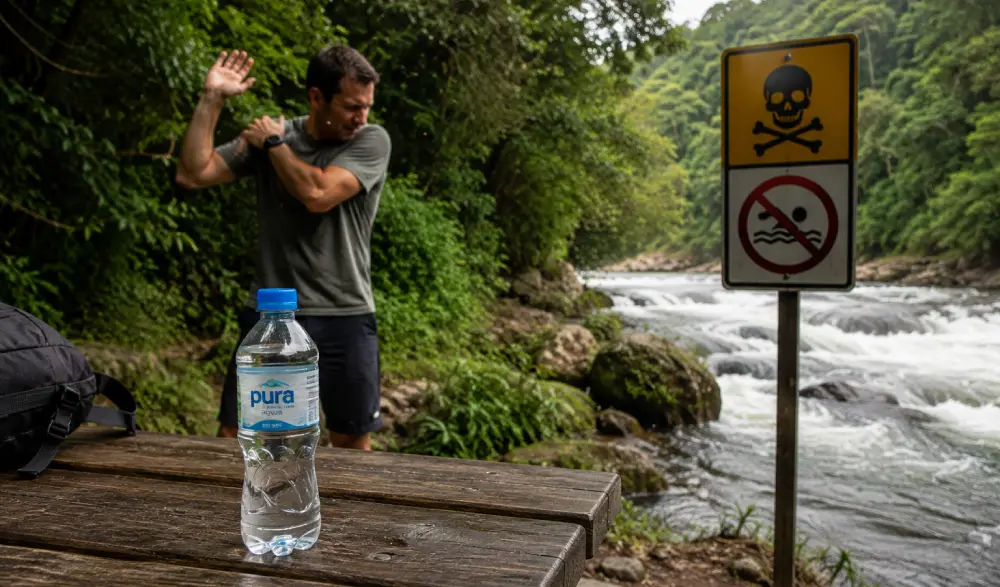
First and foremost, do not drink the tap water in Paraguay. Municipal water treatment systems are inconsistent, and consuming tap water can quickly lead to severe bacterial infections or parasitic illnesses. Stick exclusively to sealed bottled water, use purification tablets if traveling into rural areas, and avoid ice cubes in drinks outside of high-end establishments.
The tropical climate means mosquito-borne illnesses like Dengue fever, Zika virus, and Chikungunya are constant threats, particularly during the rainy seasons. There is no vaccine widely available for some of these viruses, making prevention your primary shield. Always apply high-concentration DEET insect repellent, wear long-sleeved clothing during peak mosquito hours, and ensure your accommodation has functional window screens.
If you are looking to cool off during the scorching summer months, choose your swimming spots with extreme caution. The River Paraguay is heavily contaminated with toxic industrial dumping and untreated sewage, making it entirely unfit for swimming. Furthermore, many local rivers possess incredibly strong, hidden currents that can sweep experienced swimmers away in seconds.
When venturing into the vast, arid wilderness of the Chaco region, you are entering a harsh and isolated environment. The Chaco is home to dangerous wildlife, including venomous pit vipers, jaguars, and feral boars. If you intend to hike or explore this zone, always hire a licensed local guide, pack multiple days of extra fuel and water, and notify your accommodation of your precise route.
The Ultimate Safety Tool: Staying Connected
In 2026, a reliable smartphone data connection is no longer a luxury; it is your single most important piece of safety equipment. Having instant access to digital maps prevents you from accidentally wandering across the invisible borders of dangerous neighborhoods like the Chacarita. If you ever find yourself in an uncomfortable situation, the ability to instantly summon a tracked ride-hailing vehicle can keep you out of harm's way.
Need data in Paraguay? Get an eSIM!
Choose the perfect data plan for your trip

Manage your eSIM in the app
Install, top up and track data.
Relying on public Wi-Fi networks in Paraguayan cafes or bus terminals introduces severe cybersecurity vulnerabilities, making you a prime target for data interception and financial theft. By utilizing a secure mobile data connection, you completely bypass these digital traps. Having active internet also allows you to run real-time translation apps to communicate effectively with local emergency services or navigate unexpected transit disruptions.
Choosing the right digital connection before you land ensures you hit the ground running with absolute peace of mind. Compare the best cellular options currently available by reading our expert analysis on the Best eSIM for Paraguay. Investing in a premium Paraguay eSIM guarantees seamless, encrypted data across the entire country without the hassle of hunting down physical SIM cards in sketchy border kiosks.
Official Travel Advisories (2026 Update)
Global governments maintain a cautious but realistic stance when it comes to sending citizens to Paraguay. The consensus across major foreign policy departments emphasizes localized awareness rather than blanket travel bans.
-
United States State Department: Advises travelers to exercise increased caution throughout the country due to crime. They enforce a strict Level 4 "Do Not Travel" advisory for the departments of Amambay, Alto Paraná, and Canindeyú due to transnational criminal activity.
-
United Kingdom Foreign, Commonwealth & Development Office (FCDO): Highlights that while most visits are trouble-free, petty crime is prevalent in major cities. They explicitly warn against walking in the downtown area of Asunción near the riverbank after dark.
-
Government of Canada: Recommends exercising a high degree of caution due to elevated levels of violent crime, carjackings, and armed robberies in Greater Asunción. They advise completely avoiding non-essential travel to northern departments where insurgent groups are known to operate.
The Verdict: Is Paraguay Safe?
Paraguay is a rewards-heavy destination for the prepared traveler who refuses to let down their guard. By keeping your wits about you, staying out of clearly demarcated exclusion zones, and securing your digital communications, you can experience a raw and authentic side of South America that few outsiders ever see. The risks here are highly predictable, meaning your safety is almost entirely dependent on your own behavior and preparation.
-
Never flaunt luxury items like expensive watches, jewelry, or high-end cameras while walking down public city streets.
-
Always use tracked ride-hailing applications instead of waving down random, unverified street taxis at night.
-
Strictly avoid the Chacarita neighborhood and the unlit riverbank areas of Asunción at all hours of the day.
-
Maintain an active, secure internet connection to facilitate real-time navigation and emergency communication.
-
Only consume sealed bottled water and vigorously apply high-strength insect repellent to ward off tropical diseases.
Note: Travel safety situations can change rapidly. This information is accurate as of May 2026. Always exercise street smarts and consult official advisories before your trip.