

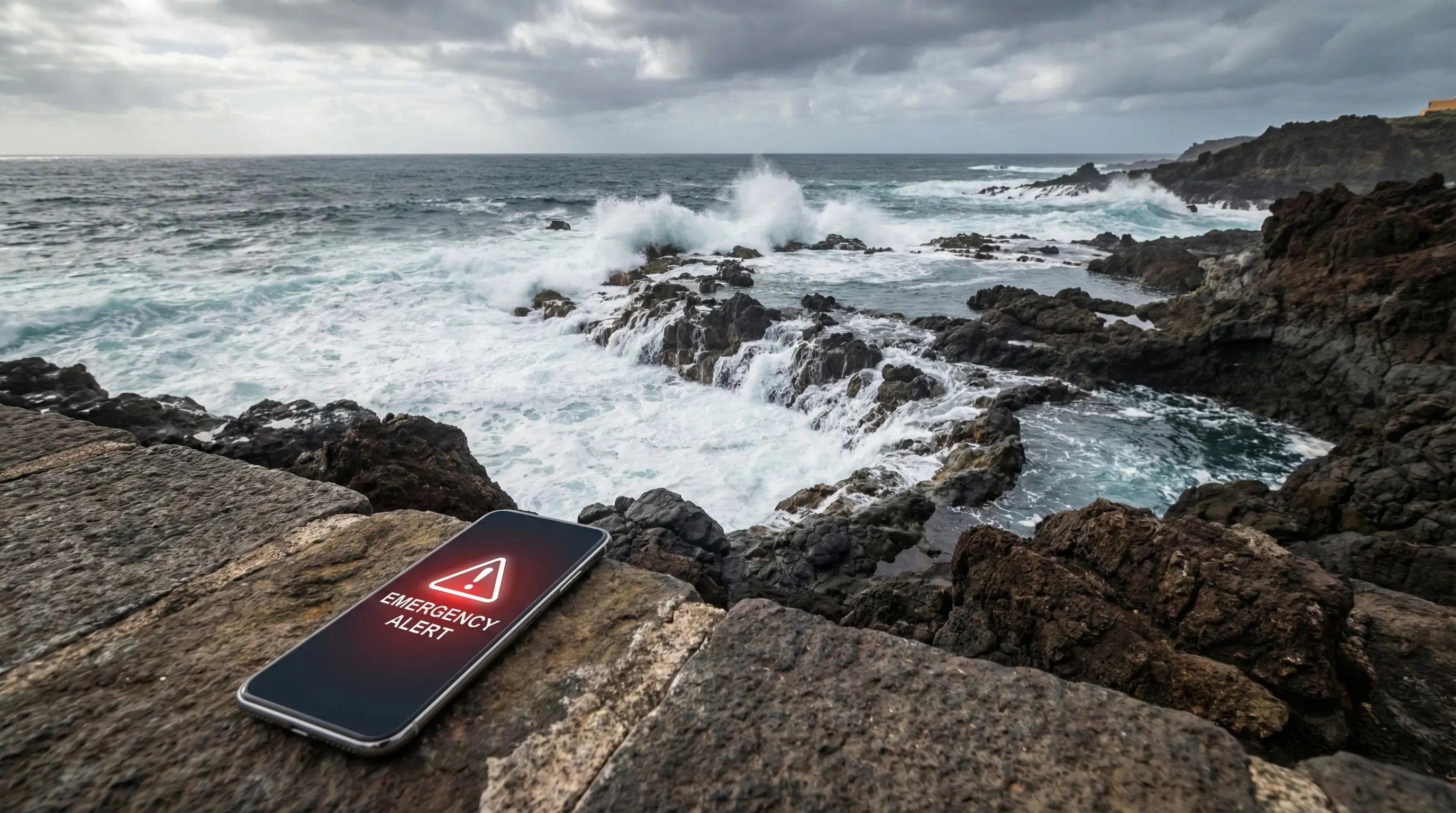
Powerful Atlantic waves, sudden weather changes, extreme heat, and hazardous hiking conditions have led local authorities to push for a stronger, more direct way to warn visitors. This is where ES-Alert, Spain’s national emergency phone warning system, comes into focus—particularly in the Canary Islands.
This guide explains how ES-Alert works, why Canary Islands authorities want to expand its use, and what tourists need to know to ensure they receive critical warnings while traveling.
Why the Canary Islands Are Driving the ES-Alert Discussion
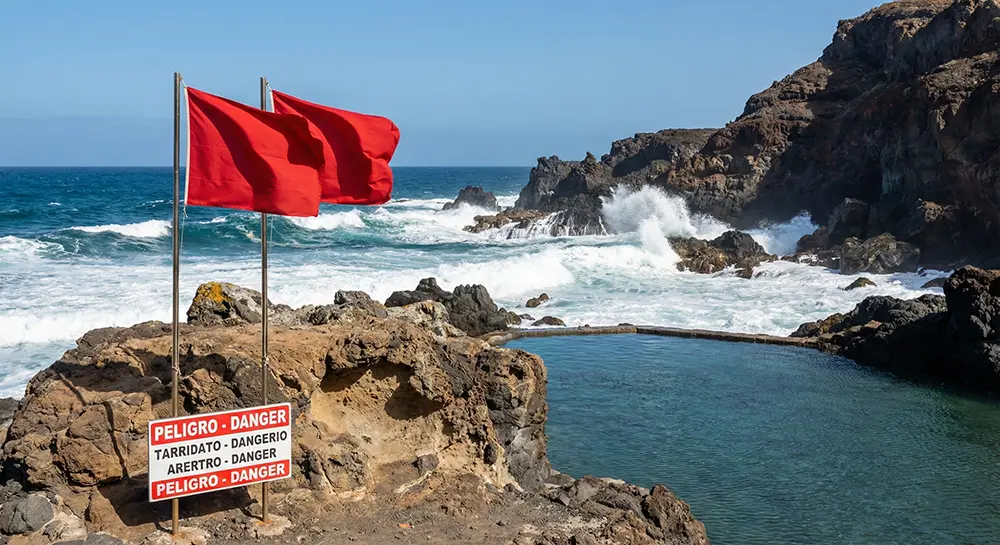
The renewed attention on ES-Alert follows a series of tragic accidents, especially around Tenerife’s coastline. Several incidents occurred near natural ocean pools and rocky swimming areas where conditions can change rapidly, even when warning signs are present.
Local tourism and safety organizations have identified a key problem:
-
Tourists often do not follow local Spanish news
-
Physical warning signs can be missed or misunderstood
-
Social media algorithms rarely surface official safety alerts
As a result, visitors may unknowingly place themselves in dangerous situations. Authorities in the Canary Islands believe that direct-to-phone alerts are of the most effective ways to close this information gap.
What Is ES-Alert and Who Controls It?
ES-Alert is part of Spain’s national emergency communication framework, managed at a governmental level but deployed locally by regional authorities.
Although the Canary Islands are an autonomous community, they rely on Spain’s ES-Alert infrastructure to send emergency warnings. This means:
-
The system is technically Spanish
-
The use case and urgency are being driven by Canary Islands conditions
In practical terms, ES-Alert allows authorities in places like Tenerife, Gran Canaria, or Lanzarote to issue warnings that reach every compatible phone in a specific area, including those used by foreign tourists.
How ES-Alert Works in the Canary Islands
One of the key strengths of ES-Alert is that it does not rely on apps or prior registration.
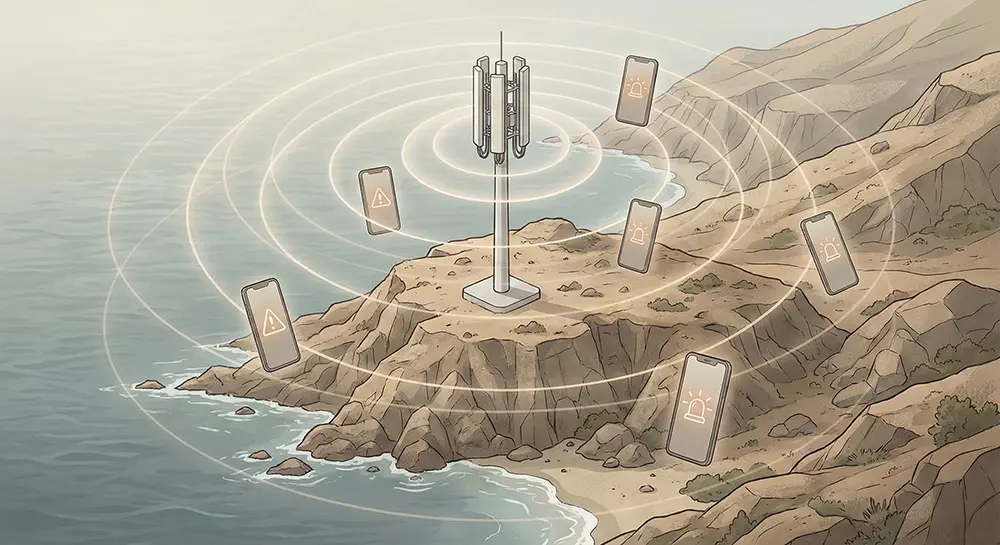
Cell Broadcast Technology Explained
ES-Alert uses cell broadcast technology, which sends messages from mobile towers to all connected devices in a defined geographic zone.
This means:
-
No app download is required
-
No personal data is collected
-
Messages are delivered instantly
If you are near a dangerous beach, hiking trail, or coastal area affected by abnormal wave activity, your phone can receive the alert automatically.
[Image Suggestion: Mobile tower broadcasting an alert to smartphones across a coastal area]
What Tourists Experience on Their Phones
When an ES-Alert is triggered:
-
A loud alarm sounds on the phone
-
A full-screen warning message appears
-
Silent mode is often overridden
Messages can be broadcast in multiple languages, which is essential in a destination as international as the Canary Islands.
What Types of Risks Can Trigger Alerts in the Canary Islands?
Traditionally, ES-Alert was used for major disasters such as volcanic eruptions or large wildfires. Authorities are now pushing to extend its use to more frequent but less visible threats common in the Canary Islands.
These include:
-
Abnormal Atlantic wave activity near natural pools
-
Dangerous sea conditions despite calm weather
-
Sudden storms or flash floods in mountainous areas
-
Extreme heat during Saharan dust events (Calima)
-
Strong winds affecting coastal paths and hiking routes
For tourists unfamiliar with local geography, these alerts can provide critical context before entering risky areas.
Do You Need Mobile Data to Receive ES-Alert?
ES-Alert messages themselves do not require mobile data. However, your phone must:
-
Be connected to a local mobile network (4G or 5G)
-
Support emergency cell broadcast alerts
If your phone has no local signal—due to airplane mode, poor coverage, or lack of a local SIM or eSIM—you may not receive the alert at all.
This is especially relevant in remote coastal or volcanic areas of the Canary Islands, where Wi-Fi is unreliable or unavailable.
Why Staying Connected Matters After an Alert
Receiving the alert is the first step. Afterward, tourists often need to:
-
Check maps for safe routes
-
Look up official guidance
-
Contact accommodation or tour operators
-
Adjust transport or activity plans
Relying solely on hotel Wi-Fi or public hotspots can leave travelers disconnected at critical moments.
For this reason, many visitors choose a Canary Islands–specific travel eSIM that provides reliable coverage across Tenerife, Gran Canaria, Lanzarote, and the surrounding islands—without the need for a physical SIM card. This ensures stable connectivity from the moment you arrive, whether you are near the coast, hiking inland, or moving between islands.
If you are planning a trip to the Canary Islands, you can check the latest Canary Islands eSIM plans
Need data in Canary Islands? Get an eSIM!
Choose the perfect data plan for your trip
Are International Phones Compatible with ES-Alert?
Most modern smartphones used by international travelers support ES-Alert or equivalent emergency alert systems.
Compatible devices typically include:
-
Recent iPhone models with emergency alerts enabled
-
Android phones with cell broadcast settings turned on
Before traveling, it is recommended to:
-
Enable emergency alerts in phone settings
-
Keep your device updated
-
Ensure you will have access to a local mobile network
These steps significantly improve the chances of receiving timely warnings.
Why the Canary Islands Need These Alerts More Than Most Destinations
The Canary Islands combine:
-
Strong ocean currents
-
Volcanic terrain
-
Rapid weather shifts
-
High tourist density in natural areas
Many incidents occur far from urban centers, where traditional warnings may not reach visitors in time. ES-Alert is designed to act as a last line of communication, delivering clear instructions directly to the phone in your pocket.
Final Thoughts
The push to expand ES-Alert use in the Canary Islands reflects a broader understanding of modern travel behavior. Tourists rely on their phones, not local radio or news outlets, for real-time information.
While technology cannot replace personal responsibility, being connected to local mobile networks ensures you are not excluded from critical safety communications during your stay.
Check the Canary Islands SIM packages before your trip to the Canary Islands and stay informed wherever you go.
