Download the App and manage your eSIMs easily
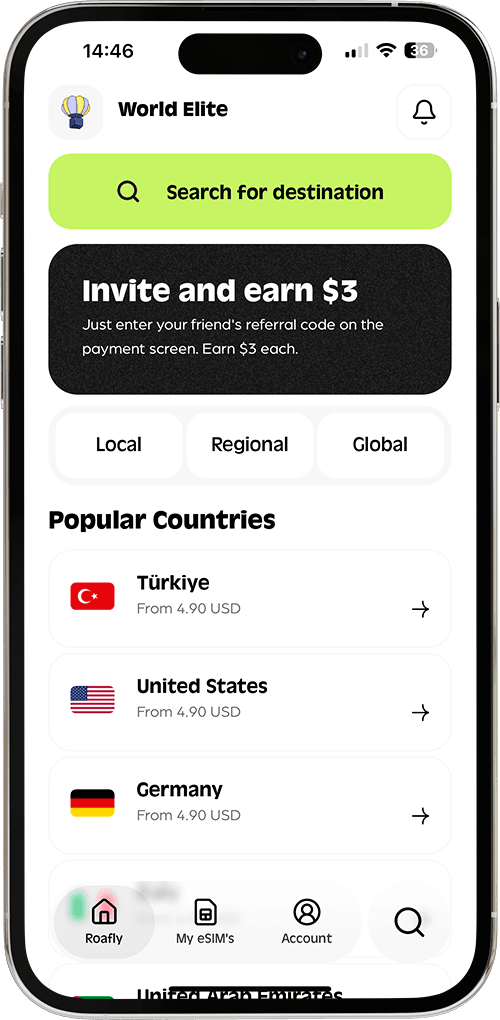
Create your order quickly
See your eSIM details
Track your remaining data
Download the App and manage your eSIMs easily
Create your order quickly
See your eSIM details
Track your remaining data
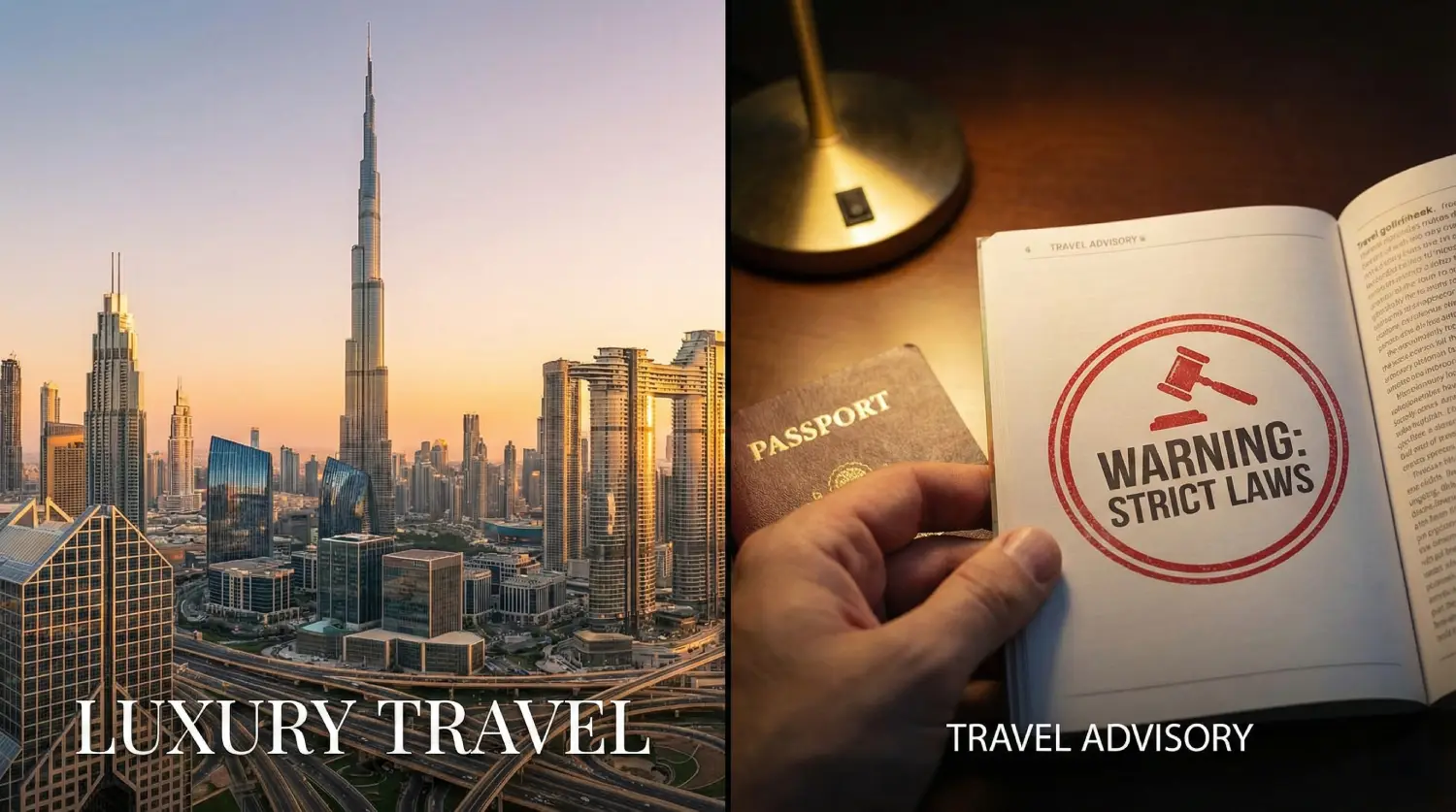
Dubai is a luxury paradise, but one wrong move—like a rude hand gesture or carrying the wrong painkiller—can lead to deportation or jail. Here is the essential 2026 guide to staying legal and safe in the UAE.

Ethan Brooks
Updated Jan 25, 2026
7 min read
Save 15% on your Roafly eSIM
Stay connected on your next trip. Use the code below at checkout.
View All DestinationsJump to section
👇Save 15% on your Roafly eSIM
Stay connected on your next trip. Use the code below at checkout.
View All Destinations
Manage your eSIM in the app
Install, top up and track data.
Dubai is statistically one of the safest cities in the world, but that safety is built on very strict enforcement of laws that might seem unusual to Western tourists. Ignorance is rarely accepted as a valid defense in UAE courts. Whether you are visiting the Burj Khalifa or exploring the souks, the police (and surveillance cameras) are vigilant. This guide covers the critical bans you need to know to ensure your trip remains a holiday, not a legal battle.
While drug trafficking is the most severe crime (often carrying life imprisonment or worse), the most common "trap" regular tourists fall into involves Public Decency and Offensive Behavior.

In Dubai, "giving someone the finger" (flipping them off) or using the F-word in a heated argument—whether in person or via WhatsApp—is a criminal offense. It falls under "violating the honor" of a person. If the victim presses charges, you face likely jail time, a heavy fine, and almost certain deportation.
Similarly, Public Displays of Affection (PDA) are strictly regulated. Holding hands is generally tolerated for married couples, but kissing or hugging in public is a serious violation. Engaging in sexual acts in public spaces remains a fast track to prison.
Alcohol is widely available in Dubai, but the laws surrounding where and how you consume it are extremely specific. Mistaking Dubai for Las Vegas is the fastest way to get arrested.

You cannot just buy a beer at a 7-Eleven. Alcohol is served exclusively in licensed venues, which are almost always attached to hotels or private clubs.
The Rule: If you are inside a hotel bar, restaurant, or club, you are safe.
The Ban: Drinking on the street, at the beach (unless it’s a private hotel beach with a license), or in public parks is strictly prohibited.
Tourists can buy alcohol from specialized liquor stores (like MMI or African + Eastern) to consume in their private accommodation.
The Requirement: You need your passport. As of 2026, the process is streamlined; the shop will register your passport number as a temporary "license" to ensure you are a tourist and over 21.
This is a critical trap for day-trippers. Dubai is an Emirate. Right next door is the Emirate of Sharjah.
Strictly Dry: Sharjah is completely "dry." Possession of alcohol is illegal there. If you buy bottles in Dubai and drive them into Sharjah, you are technically trafficking alcohol. Be very careful about your borders.
It is not illegal to have consumed alcohol, but it is illegal to be visibly drunk in public.
If you leave a brunch or club and are stumbling, shouting, or vomiting in the street or a taxi, you can be arrested.
Advice: Take a taxi directly from the venue to your hotel. Do not walk around the city while intoxicated.
Many countries allow a small amount of alcohol in the blood (e.g., one glass of wine). The UAE does not.
Limit: 0.00%.
If you are involved in even a minor traffic accident and have any trace of alcohol in your system, your insurance is automatically void, you will be jailed, and likely deported.
Yes. As of January 2026, it is legal to own and use e-cigarettes and vapes in Dubai. However, strict non-smoking zones apply. Vaping in malls, metro stations, or government buildings is prohibited. Bringing vapes in for personal use is allowed.
The UAE has a very strict list of "controlled substances" that are common over-the-counter meds in other countries.
The List: Medicines containing Codeine (common in cough syrups and painkillers), Tramadol, and certain anxiety medications (like Valium/Xanax) are controlled.
The Rule: You generally cannot bring these without a prescription and pre-approval from the Ministry of Health. Arriving with a bag of codeine painkillers can be treated as drug smuggling.
Beyond the big laws, tourists often stumble on these specific issues:
Yes. As of late 2020, the UAE law was updated. Unmarried couples are legally allowed to cohabitate and share hotel rooms. You will not be asked for a marriage certificate at check-in.
Warning: While cohabitation is legal, pregnancy out of wedlock can still lead to complex legal and insurance complications.
Technically, yes. Most Voice over IP (VoIP) services like WhatsApp Call, FaceTime, and Skype are blocked by local telecom operators.
The Workaround: Most tourists use paid VPNs to access these features, or they use authorized apps like Botim or GoChat (which are heavily promoted in UAE).
VPN Legality: Using a VPN is generally not illegal in the UAE unless you use it to commit a crime or access prohibited sites (pornography, anti-government content, gambling).
Avoid them. This sounds like a myth, but it is based on fact. Poppy seeds are a source of opium. While a few seeds on a bagel might be ignored, bringing a bag of poppy seeds for cooking can be flagged by customs as drug possession. It is safer to leave them at home.
No. Despite rumors of future casinos, gambling remains illegal in Dubai as of early 2026. Online gambling sites are blocked.
Dubai is a car-centric city, but the rules of the road are rigorous.
Jaywalking is Expensive: Crossing the road anywhere other than a designated zebra crossing is a specific offense. Police frequently issue instant fines of 400 AED (approx. $110 USD).
E-Scooters: You cannot ride e-scooters just anywhere. They are restricted to designated tracks. Riding on a pedestrian pavement or a high-speed road allows the police to confiscate the scooter. Helmets are mandatory.
Photography & Privacy: It is illegal to take photos of people (especially women and families) without their explicit consent. Posting a photo of a stranger on social media without permission is a cybercrime punishable by fines up to 500,000 AED.
Dirty Cars: Leaving a car to get visibly dirty and "disfiguring the city's appearance" is a finable offense (relevant if you are doing a long-term rental).
Official Resource: For the latest updates on customs and laws, always check the Official Portal of the UAE Government.
Navigating Dubai's complex road systems, translating immediate police warnings, or checking if a medication is legal requires a stable internet connection. Relying on patchy public Wi-Fi puts your safety at risk.
Using a Dubai eSIM allows you to instantly access maps, government portals, and ride-hailing apps (like Careem or Uber) to avoid unlicensed taxis. It is the smartest way to stay "street legal."
Get your connection here: Get your Dubai eSIM
Alcohol: Only drink in hotels/clubs. Never drink and drive (Zero Tolerance).
Meds: Check if your painkillers contain Codeine. If yes, leave them home.
Conduct: No swearing, no rude gestures, no fighting.
PDA: Keep it to holding hands only.
Photography: Don't snap photos of strangers without asking.
Internet: Use a VPN wisely, but don't access illegal content.
