

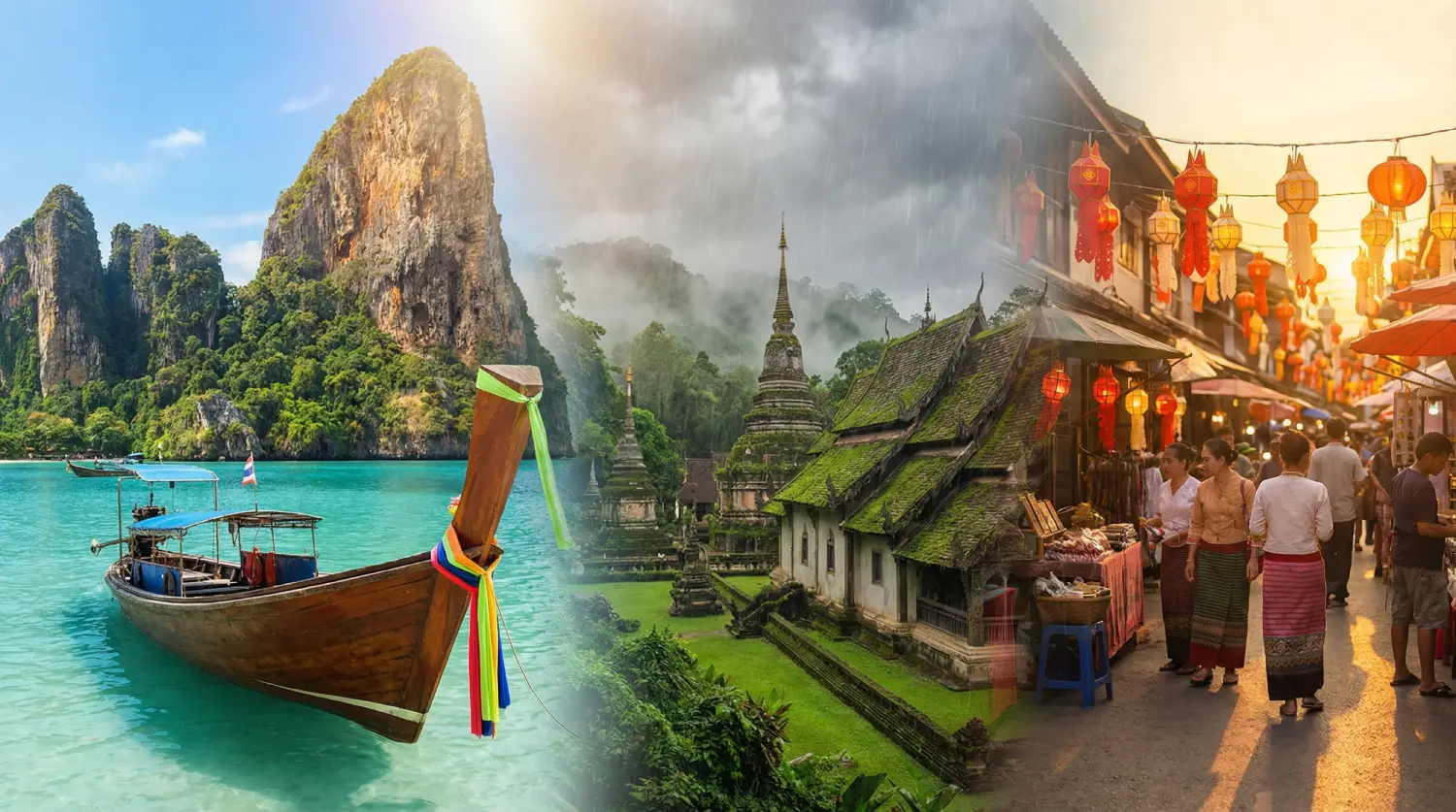

Many travelers assume Thailand is hot and sunny year-round. While the heat is consistent, the rain is not. A honeymoon in Phuket can be ruined by monsoons in September, while the exact same week in Koh Samui offers perfect blue skies.
Thailand essentially has three seasons: Cool, Hot, and Rainy. However, the geography splits the country in two, meaning the "perfect time" depends entirely on which side of the peninsula you plan to visit.
In this comprehensive 2026 guide, we break down the seasons, the dreaded "Burning Season" in the north, and how to avoid the crowds while enjoying the best weather.
The Quick Answer
-
Overall Best Weather: November to February (Cool & Dry).
-
Best for Budget Travelers: July to September (The Green Season).
-
Best for the Andaman Coast (Phuket, Krabi, Phi Phi): December to March.
-
Best for the Gulf Coast (Koh Samui, Koh Phangan, Koh Tao): July to September.
-
Worst Time for Chiang Mai: March and April (Burning Season/Smog).
-
Worst Time for Crowds: Christmas, New Year’s, and Songkran (mid-April).
1. The "Cool" Season (High Season)
Months: November - February Average Temp: 26°C - 30°C (79°F - 86°F)
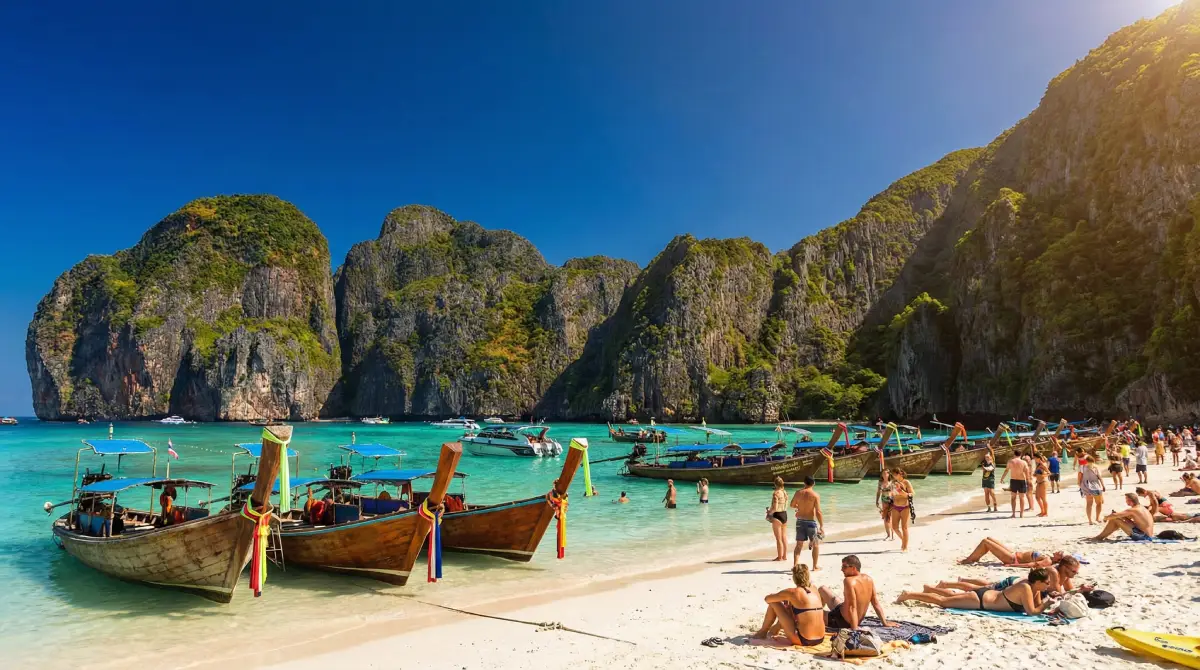
This is the peak tourist season for a reason. The humidity drops, the skies are electric blue, and the temperatures are manageable.
Why Go Now?
-
Bangkok Exploration: Walking around temples in Bangkok is bearable without sweating through your clothes instantly.
-
Andaman Perfection: The sea is calmest during these months. If you plan to dive in the Similan Islands or take longtail boats in Krabi, this is the safest and most beautiful time.
-
Festivals: This season hosts Loy Krathong (Festival of Lights) in November and huge New Year's celebrations.
The Downsides
-
Crowds & Cost: Hotel prices skyrocket. Popular beaches can feel overcrowded.
-
Scams: With more tourists come more opportunists. During peak season, taxi scams and tuk-tuk overcharging are rampant in Bangkok and Phuket. Before you land, it is wise to read up on Is Thailand Safe? Scams, Taxis & Transport Guide to avoid common tourist traps.
2. The "Hot" Season (Shoulder Season)
Months: March - May Average Temp: 35°C - 40°C+ (95°F - 104°F)

By March, the "cool" breeze vanishes, and the heat builds up until the rains break it. This is the hottest time of the year.
Why Go Now?
-
Songkran (Thai New Year): Taking place in mid-April, this is the world's biggest water fight. The entire country shuts down for a week of water battles. It is an unforgettable experience, but be prepared to get wet.
-
Alcohol Laws: Festivals often come with specific regulations. Recently, rules regarding alcohol sales hours have shifted. Check our update on Thailand Lifts Afternoon Alcohol Ban to know when and where you can buy a drink during the festivities.
The Warning: "Burning Season" in the North If you are planning to visit Chiang Mai or Chiang Rai, avoid March and April. Farmers burn their fields during these months, causing hazardous smog levels. The views are obscured, and air quality can be dangerous.
3. The "Green" Season (Rainy Season)
Months: June - October Average Temp: 28°C - 32°C (82°F - 90°F)

Don't let the name scare you. It rarely rains all day. Usually, you get a heavy, refreshing downpour for an hour in the late afternoon, followed by clear skies. The jungle turns a vibrant emerald green, and waterfalls are at their most powerful.
Why Go Now?
-
Budget Friendly: Hotel rates can drop by 50%. You can stay in luxury resorts for the price of a hostel.
-
No Crowds: You might have Maya Bay or the temples of Ayutthaya largely to yourself.
The Risk
-
Flooding: Flash floods can happen in Bangkok and northern regions during heavy storms.
-
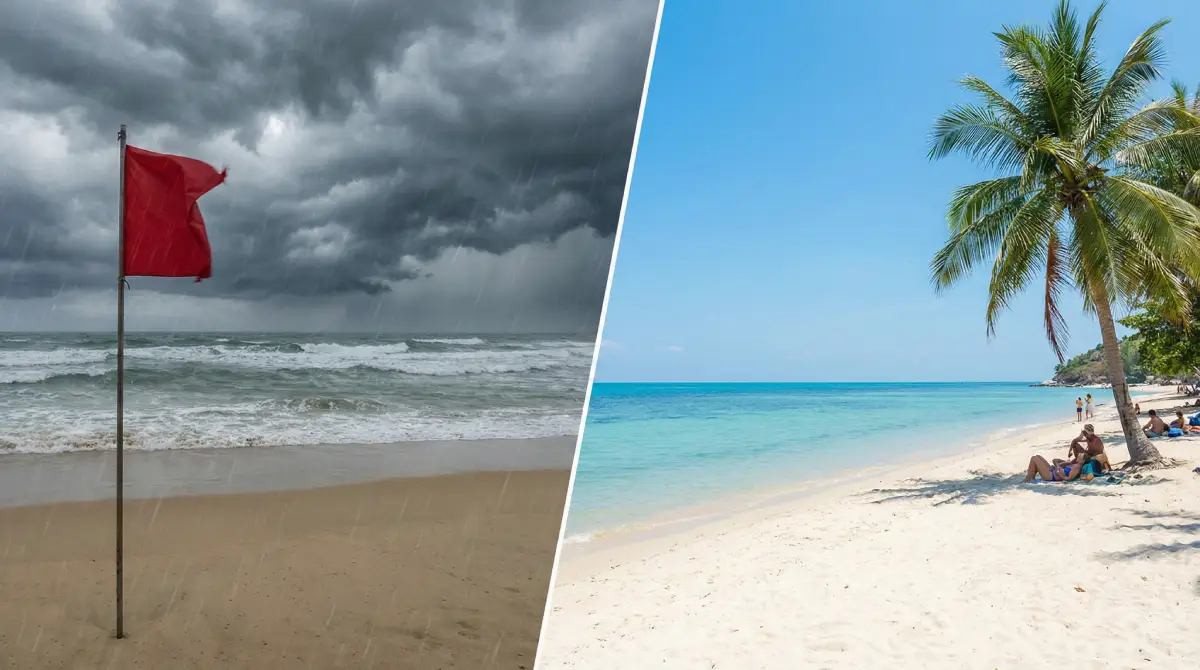
Rough Seas: On the Andaman Coast (Phuket, Krabi), the sea can get choppy. Red flags on beaches are common, and small boat trips to islands might be cancelled for safety.
-
Mosquitoes: With the rain comes higher humidity and mosquitoes. Dengue fever is a real risk, so pack strong repellent.
4. The Critical Geography: Andaman vs. Gulf Coast
This is the most common mistake travelers make. Thailand's two coastlines have different monsoon seasons.
The Andaman Coast (West)
-
Destinations: Phuket, Krabi, Phi Phi, Khao Lak, Lanta.
-
Best Time: November to April.
-
Rainiest Months: September and October.
-
Advice: During the monsoon, the sea can be rough, and ferries may be cancelled. Red flags on beaches are common—do not swim if you see them.
The Gulf Coast (East)
-
Destinations: Koh Samui, Koh Phangan, Koh Tao.
-
Best Time: January to August.
-
Rainiest Months: October, November, and early December.
-
Advice: If you are traveling in July or August (summer holidays), pick the Gulf Coast. While Phuket is raining, Koh Samui is usually sunny and dry.
Party Travelers Note: If your trip revolves around the legendary beach parties on Koh Phangan, weather matters. The party happens every month, but the experience changes with the tides and rain. Check the Full Moon Party Thailand Guide for the 2026 schedule and tips on which side of the island to stay on.
5. Month-by-Month Weather Breakdown
If you want a quick snapshot of what to expect, here is the cheat sheet:
6. What to Pack & Essential Rules
Packing for Thailand depends on the season, but knowing what NOT to pack is even more important to avoid fines.
-
Lightweight Rain Jacket: Essential if you travel between June and October.
-
Slip-on Shoes: You will be taking your shoes off constantly to enter temples and shops.
-
Power Bank: You will use your phone a lot for maps and photos.
⚠️ Critical Legal Warnings: Thailand has specific laws that often catch tourists by surprise.
-
Vaping is Illegal: Electronic cigarettes are strictly banned. You can be fined or even arrested for having.
-
Customs Limits: Be careful with how much alcohol or tobacco you bring in. Before you zip your suitcase, read our guides on Thailand Airport Customs Rules and Thailand Tourist Bans & Laws to ensure you don't start your holiday with a police fine.
7. The "Undecided" Traveler: Thailand or Vietnam?
Sometimes, the weather in Thailand just doesn't align with your vacation dates. If you are looking at September/October and are worried about the Thai monsoons, it might be worth looking at neighbors.
For example, Central Vietnam can have different weather patterns during these months. If you are torn between the two giants of Southeast Asia, read our detailed comparison: Thailand vs. Vietnam: Which is Better in 2026? to compare costs, food, and vibe.
8. The Verdict
-
For the absolute best weather: Go in January or February.
-
For the best balance of price and sun: Go in June or July (but stick to the Gulf Coast islands).
-
For culture and festivals: Go in April (Songkran) or November (Loy Krathong).
9. Essential Connectivity
Thailand is a mobile-first country. You need data to hail a Grab taxi, translate menus, check the rain radar, or navigate the complex ferry schedules between islands. Public Wi-Fi is available but often insecure and unreliable on the move.
Don't wait until you are stuck in a queue at Suvarnabhumi Airport.
- Direct Solution: Browse our affordable Thailand eSIM plans to get instant, unlimited data connectivity the moment you land.
-
Research: Understand your options, from local tourist SIMs to airport kiosks, in our guide How to Get Internet in Thailand
-
Comparison: To find the most reliable data packages for your specific route (AIS vs TrueMove vs Dtac), check out the Best eSIM for Thailand
Need data in Thailand? Get an eSIM!
Choose the perfect data plan for your trip

Manage your eSIM in the app
Install, top up and track data.