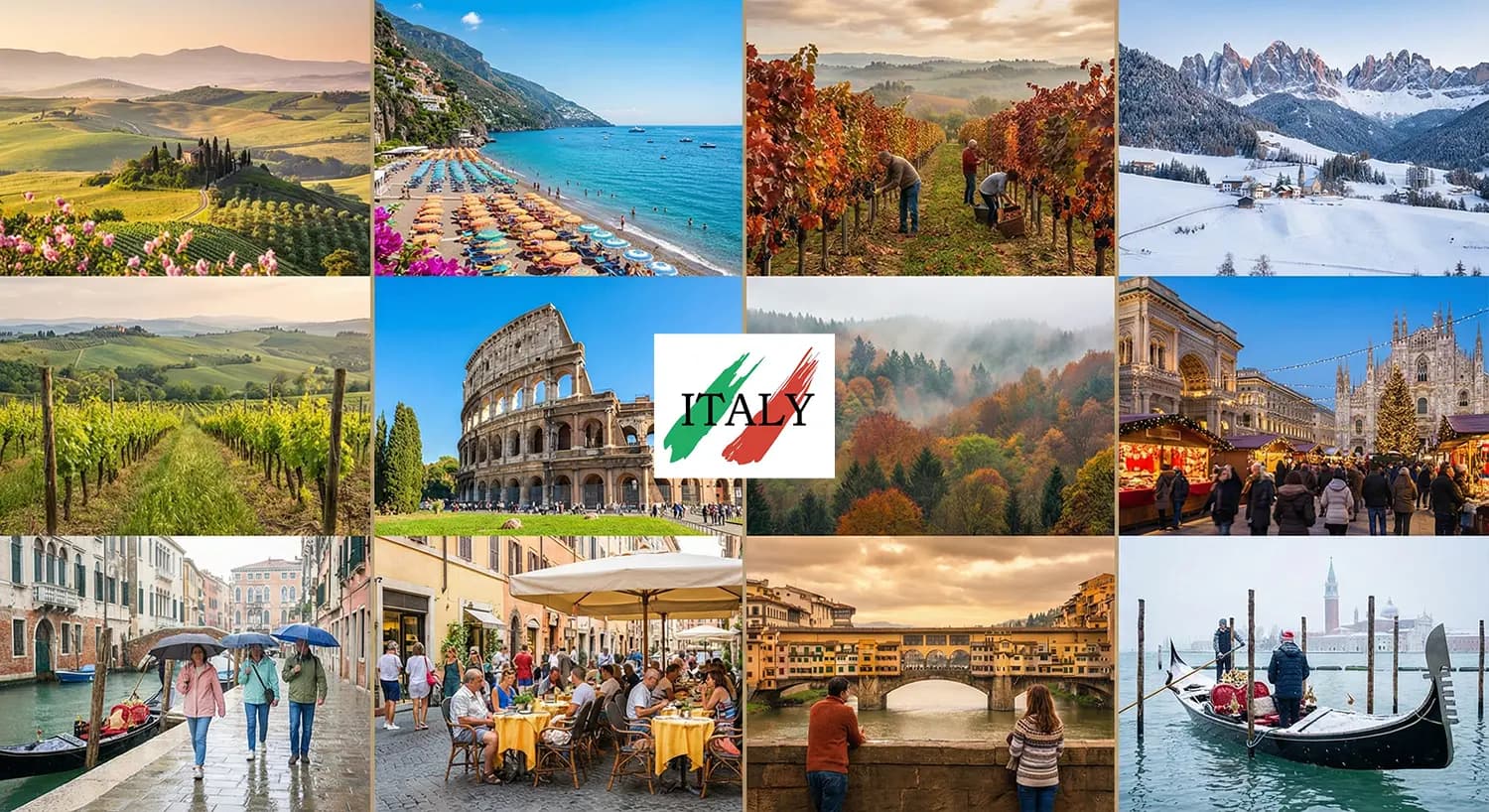
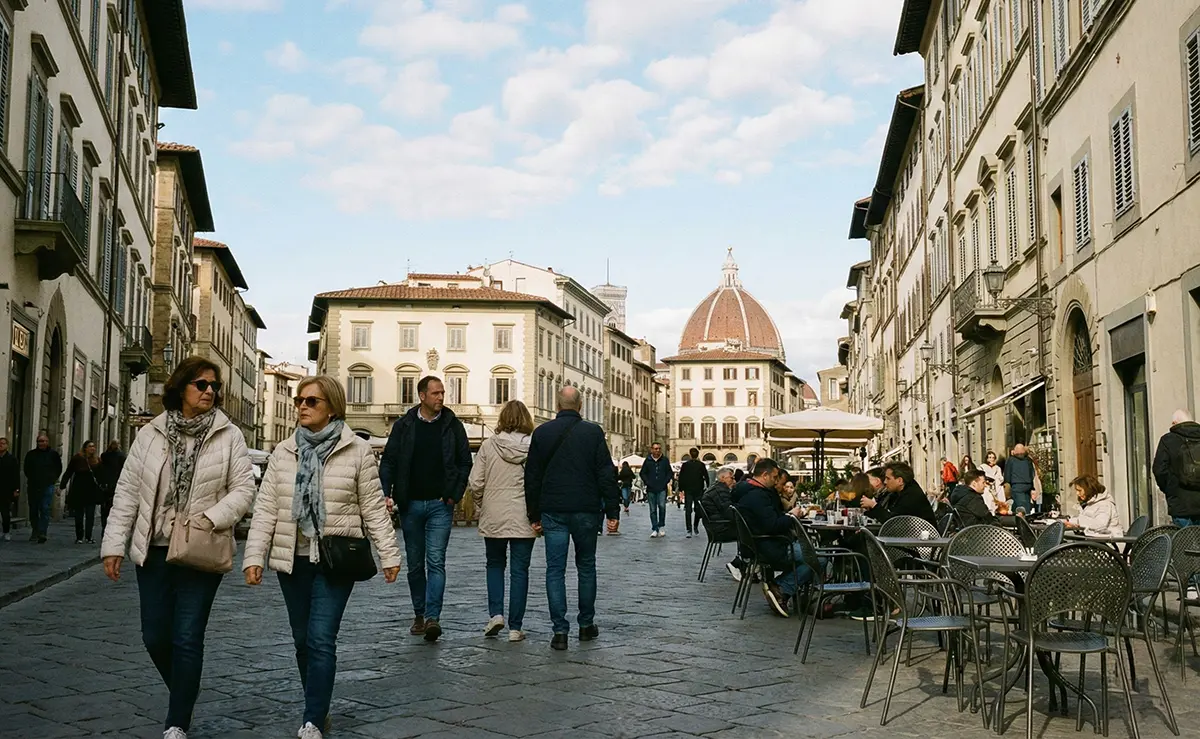
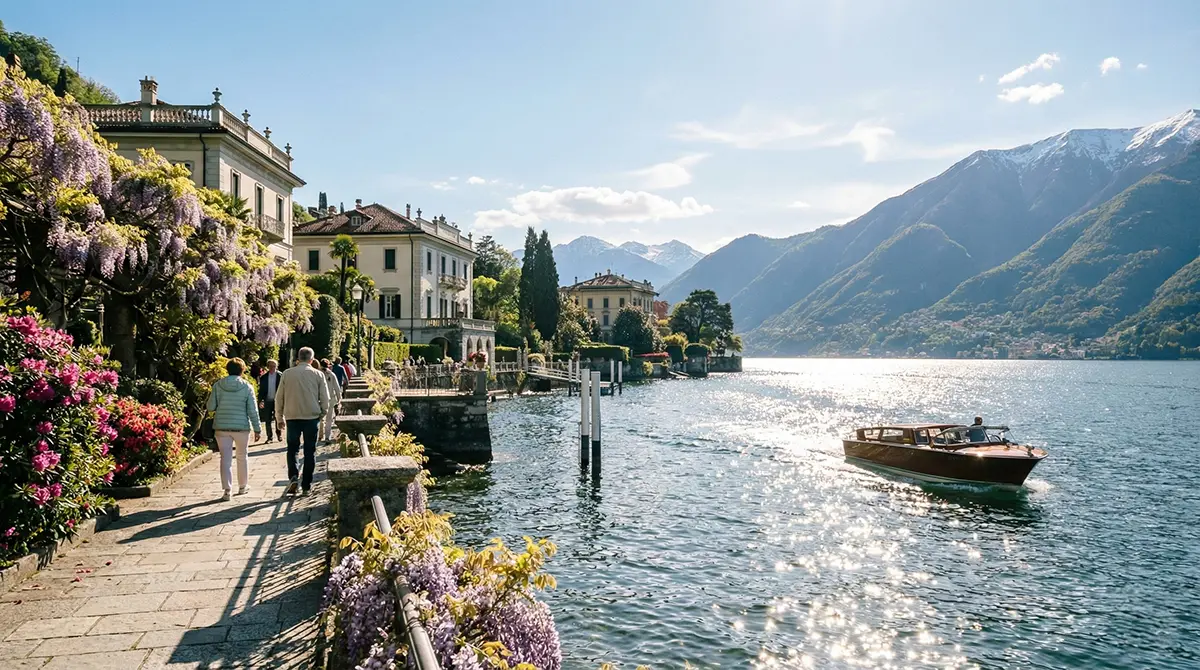
That’s why choosing the best time to visit Italy is less about chasing a single “perfect month” and more about matching your dates to your priorities—comfortable temperatures, smaller crowds, better prices, beach time, harvest season, or skiing. In the sections below, you’ll get a clear season-by-season breakdown, regional differences (north vs. central vs. south and islands), and a quick month-by-month cheat sheet so you can plan an itinerary that feels effortless instead of overcrowded.
Quick answer: the best months for most travelers
If you want the most balanced trip—comfortable weather, manageable crowds, and better value—aim for April to June or September to October. These shoulder seasons are consistently recommended because you avoid peak heat, reduce line time at major sights, and often pay less than the summer peak.

Here’s the practical takeaway:
-
Best overall (first-timers, cities + day trips): late April–June, September–mid October
-
Best for beaches with fewer crowds: June (early) or September (especially first half)
-
Best for food and wine trips: September–November (harvest season energy in many regions)
-
Best for skiing: January–March in the Alps/Dolomites (varies by resort and snowfall)
-
Best for budget + quiet: November, February, early March (with some trade-offs in weather and opening hours)
Italy by season: what you really get (pros, cons, and who it’s for)
Italy’s seasons are distinct, and the “best” one depends on whether you’re chasing museums, coastlines, or mountains.
Season comparison table (weather, crowds, costs, and best use cases)
| Season | Typical conditions | Crowds | Costs | Best for | Watch-outs |
|---|---|---|---|---|---|
| Spring (Mar–May) | Mild, greener landscapes; warmer by late April | Medium (rising toward May) | Medium | Cities, lakes, countryside drives, hiking prep season | March can still be chilly in the north; occasional rain |
| Summer (Jun–Aug) | Hot in cities; best sea temps | Very high (peak July–Aug) | High | Beaches, festivals, island time, long daylight | Heatwaves in cities; reservations essential; queues and sell-outs |
| Fall (Sep–Nov) | Pleasant early fall; cooler/wetter by late Nov | Medium → low | Medium → low | Food & wine, cities without heat, shoulder-season beaches | Rain increases later; shorter days by November |
| Winter (Dec–Feb) | Cold north; milder south; snow in mountains | Low (except holidays + Carnival) | Low (except holiday spikes) | Skiing, fewer crowds in big cities, Christmas markets | Some closures/reduced schedules; wetter in many areas |
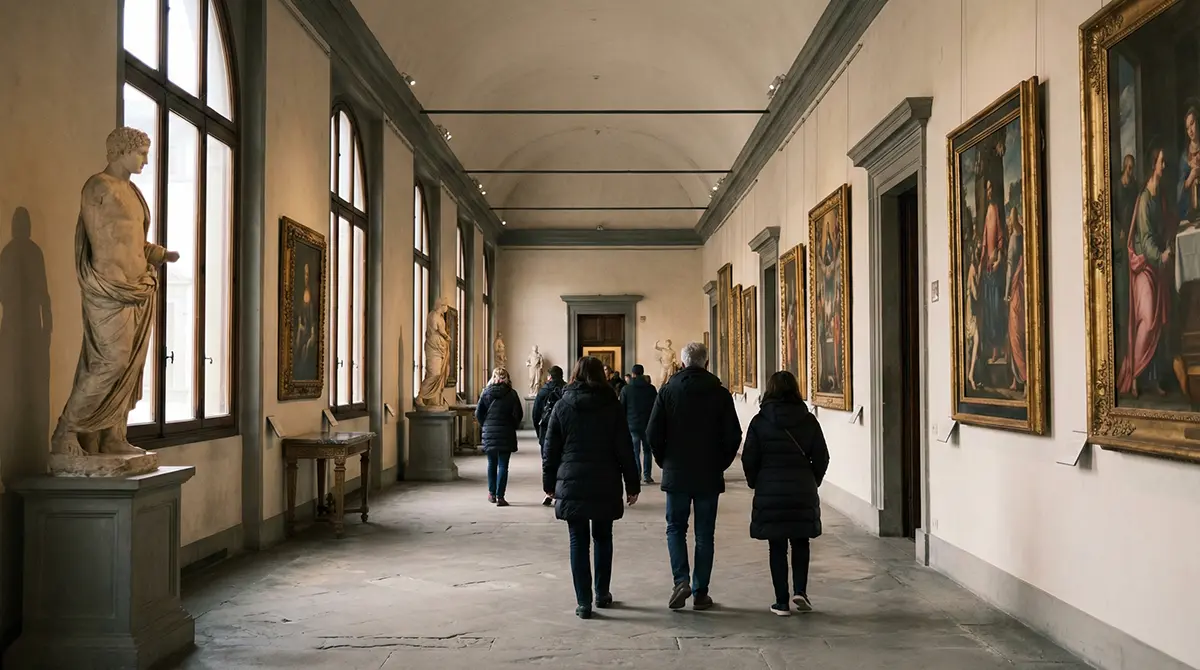
A quick reality check: Italy’s summer is incredible if you build your days around the heat (early mornings, long lunches, late evenings). But for classic sightseeing—Colosseum, Vatican Museums, Uffizi—most people are happier in the shoulder seasons.
Regional differences that change the “best time”
Italy isn’t one climate. The north runs cooler, the south stays milder, and the mountains have their own calendar.
Northern Italy (Milan, Venice, Lake Como, the Dolomites)

-
Best window: late April–June and September–early October for comfortable days and clearer hiking weather in the shoulder seasons.
-
Mountain logic: the Dolomites can be spectacular in early fall (larch trees turning gold), but conditions change quickly at elevation.
If Venice is on your list, keep an eye on crowd-management rules. Venice introduced an access fee trial for certain day visits, and official updates are published through the city’s access-fee portal.
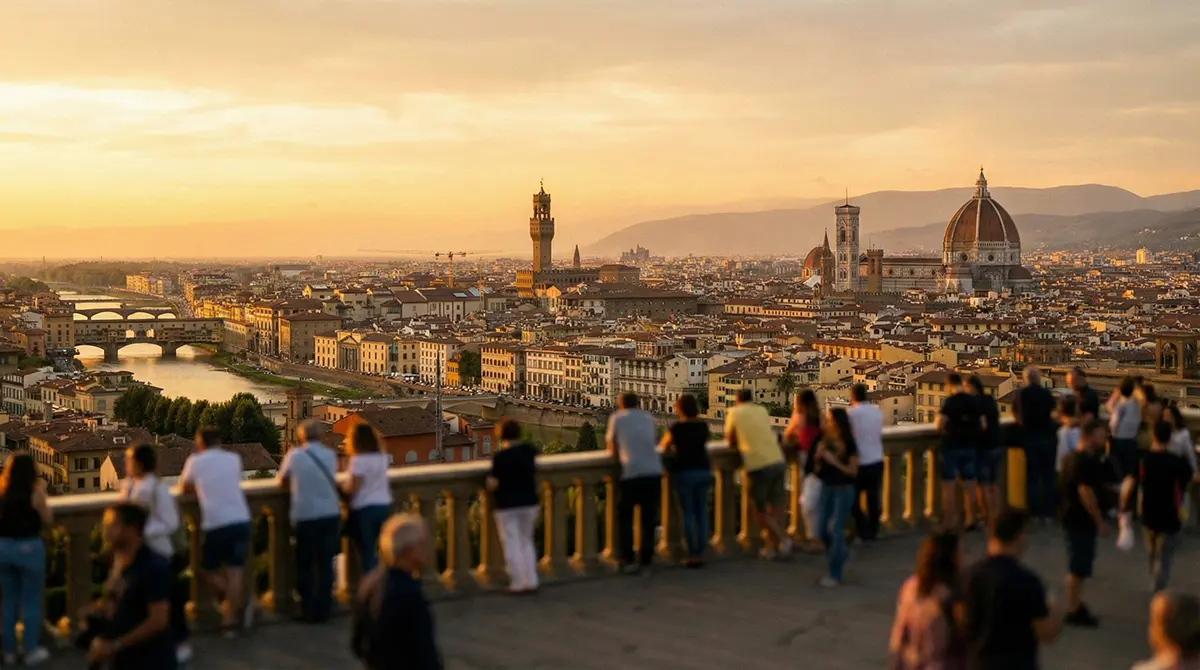
Central Italy (Rome, Florence, Tuscany, Bologna)

-
Best window: April–June and September–October for walking-heavy city days.
-
Why it matters: Rome and Florence can feel punishing in July/August, especially on stone streets with limited shade.
A growing trend is timed-entry or managed access at major “pressure points” in peak hours—Rome has trialed crowd-control measures in some iconic areas, and changes can appear year to year.
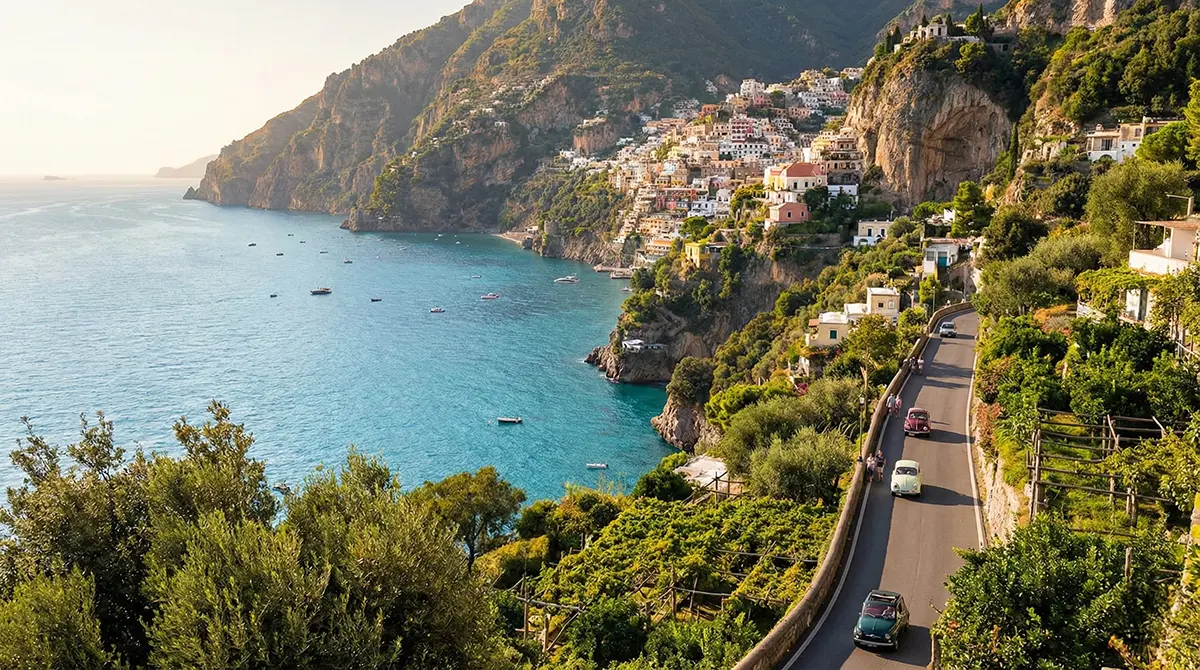
Southern Italy and islands (Naples, Amalfi Coast, Puglia, Sicily, Sardinia)

-
Best beach window: June and September often hit the sweet spot—warm water without maximum crowds.
-
Winter appeal: Sicily and parts of the south stay relatively mild, making off-season city breaks surprisingly comfortable (with fewer tourists).
Month-by-month cheat sheet (so you can pick fast)
Instead of memorizing seasons, use these simple month patterns:
-
March: Early spring in the center/south; still winter-ish in the north and mountains. Good for quieter city breaks if you pack layers.
-
April: One of the best “all-round” months—pleasant in cities, countryside waking up, fewer summer-style crowds.
-
May: Peak balance month for most itineraries (Rome/Florence/Venice + day trips). Expect higher demand than April.
-
June: Early June is a sweet spot. Late June starts to feel like summer in many areas.
-
July: Best for islands/coasts and long evenings. Tough for inland cities unless you plan carefully around heat.
-
August: Peak crowds + peak heat in many places, plus Ferragosto travel dynamics (many Italians on holiday). Great if you’re committed to the coast and book well ahead.
-
September: Possibly the single best month for a mixed trip (cities + beaches + countryside).
-
October: Excellent for cities and food-focused trips; cooler evenings, harvest energy in many regions.
-
November: Calm, often cheaper, and more “local”—but wetter and with shorter days, especially in the north.
-
December: Festive cities and winter atmosphere. For Europe winter ideas, Roafly’s December destinations guide can help you compare options.
-
January: Quiet and budget-friendly (except around Epiphany in some places). Best for museums and ski bases.
-
February: Still low season in many cities, but Venice Carnival can flip demand sharply depending on dates.
Best time to visit Italy by traveler type
If you’re here for sightseeing and culture
Pick late April–June or September–October. You’ll walk more comfortably, spend less time in lines, and enjoy outdoor café life without peak-season pressure.

Pro move: if you’re visiting Rome/Florence/Venice, structure your days like locals do in warmer months—early sightseeing, long lunch break, evening stroll and dinner.
If you want beaches and swimming
-
Best balance: early June and September
-
Best “summer vibe”: July–August (but book everything early)
Coastal Italy shines in summer, but the crowd difference between mid-August and early September can feel dramatic.
If you’re planning a food and wine trip
Fall is hard to beat:
-
September–October: grape harvest energy in many wine areas
-
October–November: truffle season peaks in parts of the north, plus olive oil culture in central regions
Even if you’re not doing formal tastings, this is the season when menus feel extra “alive.”
If you want hiking and nature
-
Late spring: great for lower-elevation trails and lakes
-
Early fall: crisp air, golden landscapes, and strong visibility in many regions (especially photogenic in the north)
For the Dolomites, always check lift schedules and trail conditions close to your dates—mountain seasons are less forgiving than city seasons.
If you’re traveling on a budget (or you want “slow Italy”)
Aim for November, February, or early March. You’ll often find better accommodation deals, and you’ll experience famous places in a calmer rhythm. The trade-off is weather (more rain, shorter daylight) and occasional reduced hours for smaller attractions.
A quick note on staying connected
If you prefer to land and go straight into navigation, train tickets, and restaurant bookings without hunting for a physical SIM, an eSIM can be the easiest setup—especially for short trips with multiple cities. Roafly’s Italy page is here if you want to check options before you fly: Roafly Italy eSIM.
Need data in Italy? Get an eSIM!
Festivals and special dates worth planning around
Events can make a trip unforgettable—or unexpectedly expensive. If you’re event-driven, pick dates first and build the route around them.
Venice Carnival (February)
Carnival transforms Venice into a living theater of masks, costumes, and photo moments. It’s iconic, but it can also be crowded and pricey—book early if Carnival is your priority. If you’re planning far ahead, published date guides can help narrow timing.
Summer festivals and long-night season (June–August)
Summer is festival-heavy across Italy, from opera seasons to city-wide celebrations. This is also when you’ll get the latest sunsets and maximum outdoor dining time.
Ferragosto (August 15)
Ferragosto affects travel patterns and availability. Many Italians take holiday time around this period, so trains, hotels, and beach towns can book out faster than you expect.
December: Christmas markets and winter atmosphere
If your Italy trip overlaps with a wider Europe winter route, Roafly’s Christmas market itinerary guide is useful for planning city-to-city timing and dates.
Practical planning tips (heat, crowds, and new rules)
Book the “pain points” early in peak months
For July–August travel, don’t leave these to chance:
-
High-speed trains on popular routes (Rome–Florence–Venice, Milan–Venice, etc.)
-
Major museums and headline attractions (timed-entry helps)
-
Popular hotels in historic centers
In Venice, check access-fee rules close to your dates
Venice has operated an access-fee trial with official guidance, exemptions, and updates published through the city’s portal. Rules can change by year, so treat this as a “verify before you go” item.
Build your day around the season
-
Summer cities: early morning sights + evening walks
-
Shoulder seasons: flexible all-day sightseeing
-
Winter: prioritize museums and indoor experiences, and plan around shorter daylight
Expect microclimates (and pack for them)
Italy can surprise you: a warm Rome afternoon and a chilly evening in Florence can happen in the same week, especially in spring/fall. If you’re mixing regions (Milan + Amalfi, or Venice + Sicily), pack layers.
Final take: when should you visit Italy?
For most travelers, Italy is at its best in spring (April–June) and early fall (September–October)—comfortable weather, fewer crowds than summer, and a smoother experience in the cities.
If you’re beach-first, lean into June or September. If you’re budget-first, embrace November or late winter and travel slower.
Check the latest eSIM Italy packages for Italy if you want an easy connectivity setup before you depart.
FAQ: Best Time to Visit Italy
What is the best month to visit Italy for the first time?
For most first-timers, May or September are the easiest wins. You’ll usually get comfortable walking weather, long daylight, and fewer peak-summer pressures in major cities.
What is the cheapest time to visit Italy?
You’ll typically find the best overall value in November, February, and early March (excluding major holiday weeks). Prices can be lower, but expect cooler weather, shorter days, and occasional reduced opening hours in smaller towns.
When is Italy least crowded?
Crowds are usually lightest in January–February (outside Venice Carnival dates) and November. Big cities still have visitors year-round, but the pressure at headline attractions is often much lower than summer.
Is summer in Italy too hot for sightseeing?
It depends on your tolerance and itinerary. July–August can be very hot in inland cities like Rome and Florence. If you travel then, plan early-morning sightseeing, take a long midday break, and focus on evenings for walking and dining.
When is the best time for beaches in Italy?
For warm water without maximum crowds, early June and September are usually ideal. July–August deliver peak beach energy, but prices and demand are at their highest.
When is the best time to visit Italy for a food and wine trip?
September–November is the standout period for many regions thanks to harvest season energy and seasonal menus. It’s also a great time to slow down in smaller towns and countryside areas.
What’s the best time to visit Italy for hiking?
For most hiking routes, aim for late spring (May–June) or early fall (September–early October). Conditions are often more comfortable than midsummer, and landscapes can be especially photogenic.
When is the best time to visit the Dolomites?
For non-ski trips, June–September is the most reliable window for trails and mountain infrastructure (like lifts), while January–March is popular for snow sports. Shoulder periods can be beautiful but more weather-dependent.
Is winter a good time to visit Italy?
Yes—especially if you want fewer crowds, museum-focused city breaks, Christmas atmosphere, or skiing in the Alps/Dolomites. The trade-off is colder or wetter conditions in many areas and some seasonal closures in smaller coastal towns.
Does it rain a lot in Italy during spring and fall?
Rain is possible in both seasons, especially in parts of the north and later in the fall. The upside is that temperatures are usually comfortable, and you can plan flexible days—mix outdoor sightseeing with indoor museums and longer meals.
Should I plan around Ferragosto (August 15)?
If you’re traveling in mid-August, expect higher demand in beach destinations and busy domestic travel patterns. It can be fun and lively, but you’ll want to book transport and accommodation earlier than usual.
How far in advance should I book for peak months?
For July–August and major event periods (like Venice Carnival), booking earlier is smart—especially for popular hotels, high-speed trains, and timed-entry attractions in Rome, Florence, and Venice.