

'/%3e%3cpath d='m450 224.315-44.467 136.87 116.401-84.559h-143.87l116.403 84.559z' style='fill:none;stroke:%23006233;stroke-width:14.62993431;stroke-miterlimit:4;stroke-dasharray:none'/%3e%3c/svg%3e)
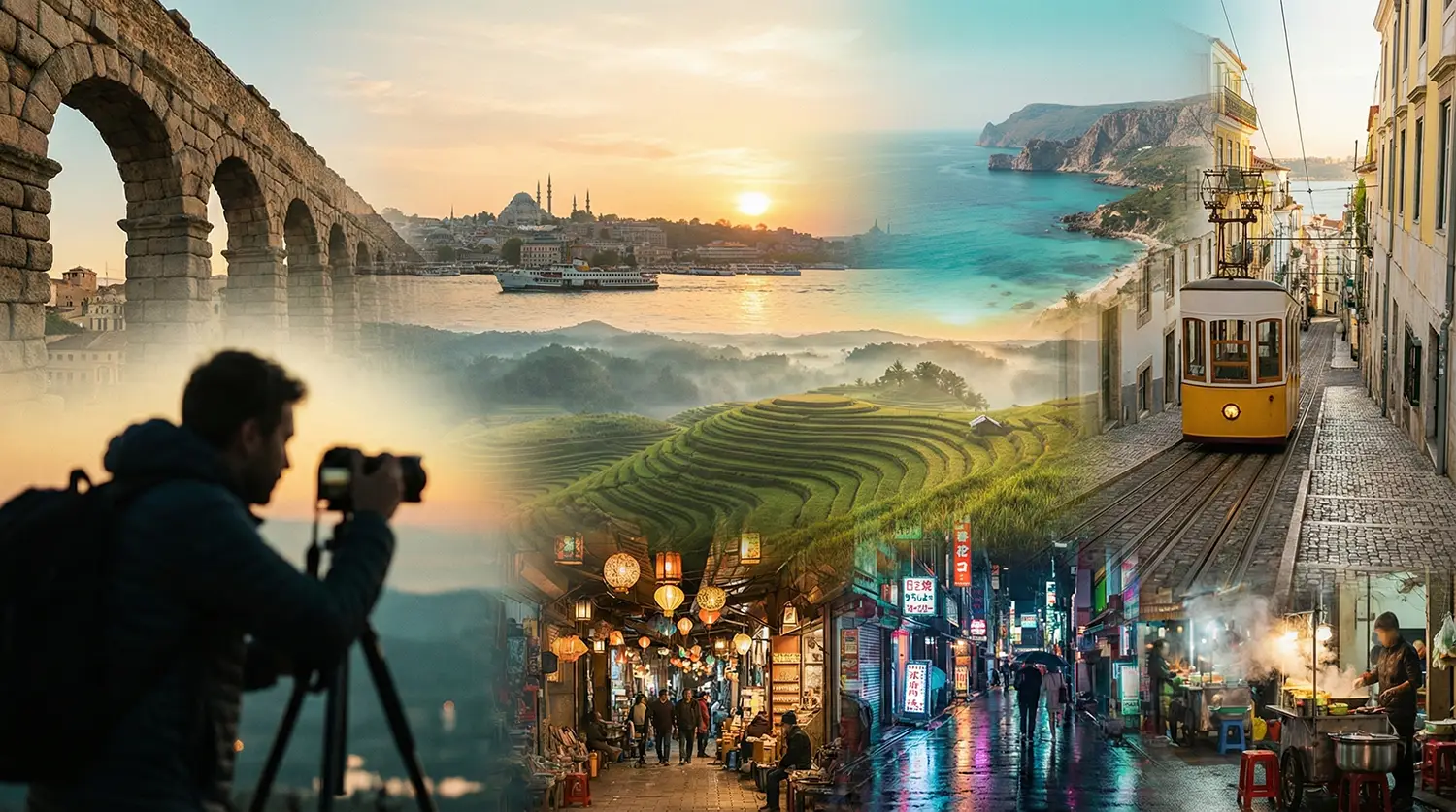
That shift shows up clearly in a 2026 destination ranking by Rough Guides, built from 30,000+ traveler enquiries alongside local expert input. The list spotlights places where authenticity is the main draw—Marrakech at #1 for its medina energy and culture, followed by Crete for its beaches and heritage, and Bali for its nature, spirituality, and slow-travel appeal.
Why these 2026 destinations are trending
This ranking matters because it reflects what travelers are actively searching for, alongside insights from local experts. In practice, it tends to reward destinations that offer:
-
Strong cultural identity (craft, cuisine, rituals, language, local rhythm)
-
A sense of history you can actually walk through (old quarters, ruins, layered architecture)
-
Immersive everyday experiences (markets, local transit, small cafés, neighborhood nightlife)
-
Flexible trip styles (you can do a fast city break or a slower, deeper itinerary)
The top 10 destinations are: Marrakech, Crete, Bali, Tokyo, Rome, Istanbul, Sicily, Lisbon, Hanoi, and Bangkok.
The top 10 best places to travel in 2026 (and how to experience them well)
Some places are perfect for ticking off sights. These ten are better for getting under the surface—markets, neighborhoods, food, and everyday life that make a trip feel real.
1) Marrakech, Morocco: the senses-on-full-volume city
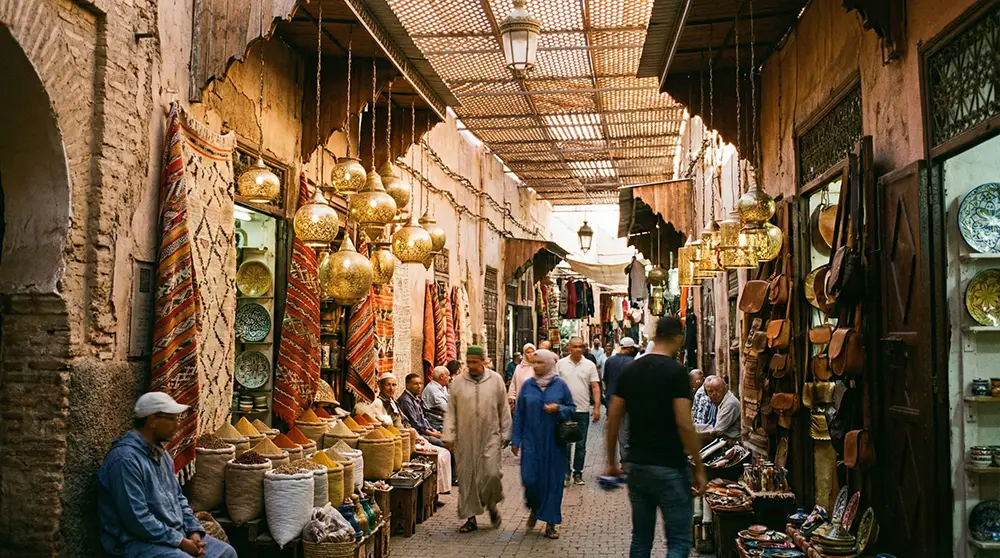
Marrakech sits at the intersection of history, design, and daily life. The medina isn’t a “tourist zone” you visit and leave—it’s a functioning ecosystem of craft workshops, food stalls, courtyards, calls to prayer, scooters, handcarts, and bargaining culture layered on top of each other.
How to do it well in 2026:
-
Anchor your trip around neighborhoods, not just attractions. A slow morning in a local café can be as memorable as a famous square.
-
Make space for traditional experiences like a hammam, a cooking class, or a day trip toward the Atlas Mountains for a change of pace.
-
Plan at least “no plans” block. Marrakech rewards wandering.
Need data in Morocco? Get an eSIM!
Choose the perfect data plan for your trip

Manage your eSIM in the app
Install, top up and track data.
2) Crete, Greece: beaches, mountains, and ancient layers
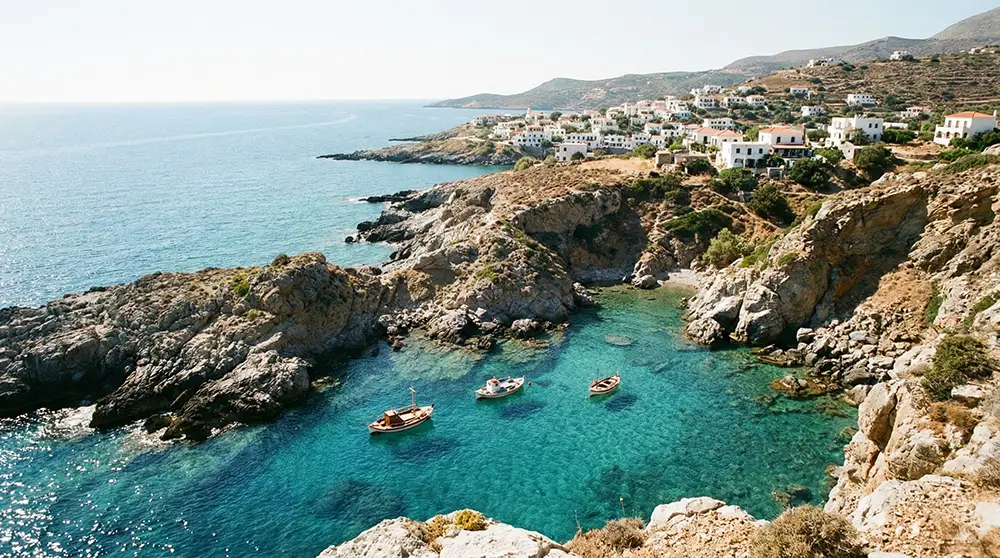
Crete is often pitched as a beach destination, but it’s closer to a mini-country. In trip you can move from coastal villages to gorges and mountain roads, then finish the day with archaeological sites and long dinners that stretch late into the night.
How to do it well:
-
Split your time: a few days on the coast, a few days inland.
-
Go beyond “one famous beach.” Crete’s magic is variety—small coves, wide sandy bays, and dramatic cliffs.
-
Build your days around food: local tavernas, village bakeries, and markets are as essential as the scenery.
If you want to stay connected while island-hopping, a Greece eSIM can be an easy option.
3) Bali, Indonesia: wellness, culture, and a more mindful travel era
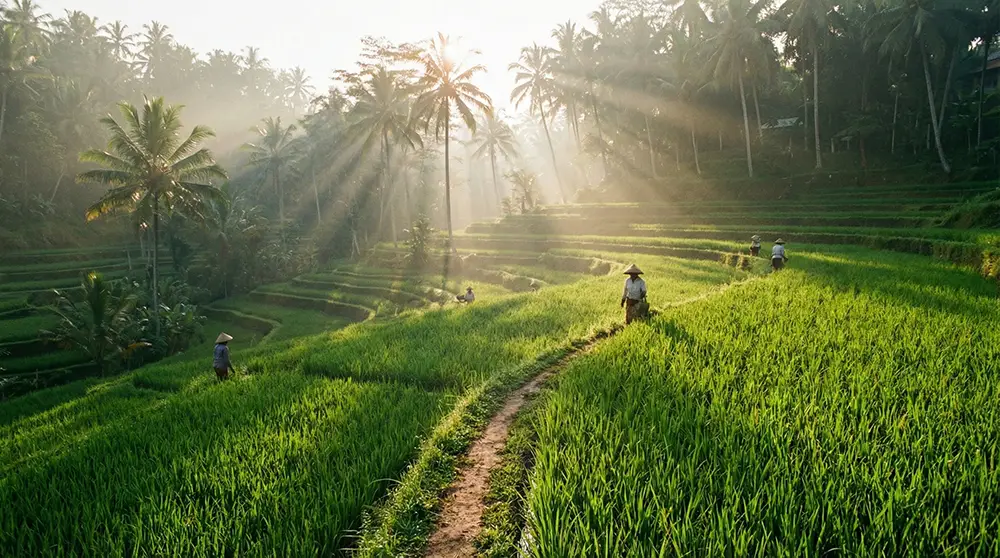
Bali remains a global favorite, but 2026 travel sentiment around the island feels more intentional than ever—more visitors are coming for culture, nature, and well-being, not just pretty backdrops.
How to do it well:
-
Choose base for depth (not five bases for photos). You’ll feel the difference immediately.
-
Respect local customs around temples and ceremonies. Bali is spiritual first, scenic second.
-
Mix popular areas with quieter to balance energy and keep the trip grounded.
Need data in Indonesia? Get an eSIM!
Choose the perfect data plan for your trip

4) Tokyo, Japan: the world’s most refined contrast
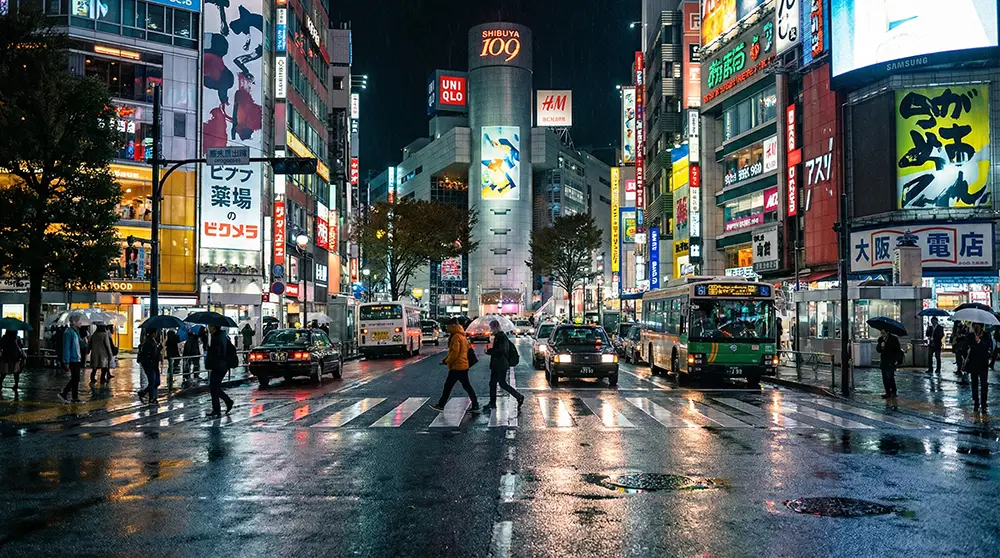
Tokyo is a city of micro-worlds: neighborhood feels like the future, another feels like a quiet village. It’s a rare place where food, design, pop culture, and calm rituals all coexist—and the city is so efficient that you can explore a lot without feeling rushed.
How to do it well:
-
Plan by districts (Asakusa vs. Shibuya vs. Shimokitazawa), not by “top 10 attractions.”
-
Build a few single-focus moments: great museum, great sushi counter, great viewpoint.
-
If your schedule is flexible, seasonality matters here more than most destinations—this guide helps you pick the right window: best time to visit Japan.
If you prefer to sort connectivity before you land, a Japan eSIM is an easy option.
5) Rome, Italy: history that still behaves like a living city
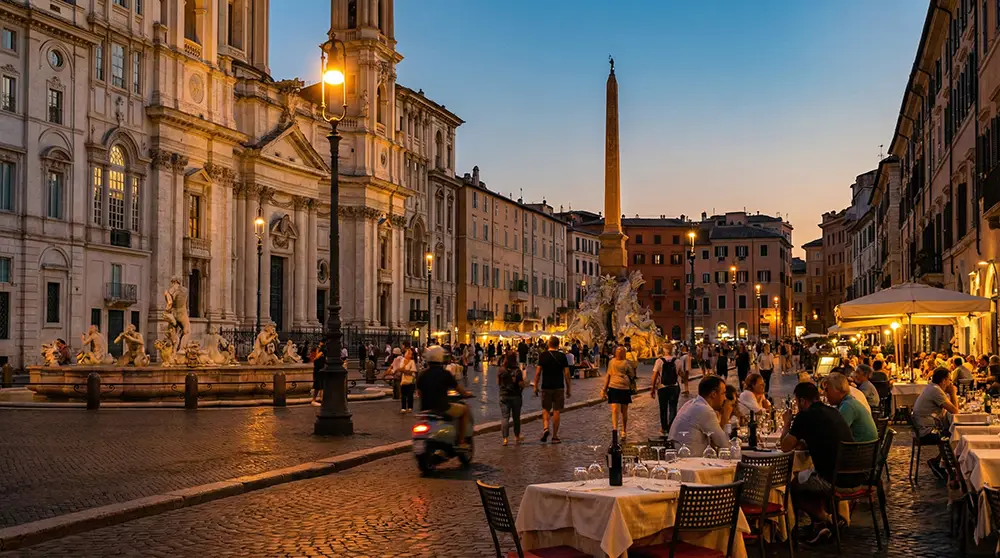
Rome is timeless, but it’s not a museum. It’s loud, stylish, chaotic, and full of daily rituals—espresso counters, evening passeggiata walks, neighborhood markets, and long dinners that start late and end later.
How to do it well:
-
Start early for the big hitters, then spend afternoons in local neighborhoods.
-
Don’t overload your itinerary. Rome is best in layers, not sprints.
-
Pair classics with quiet: major site, slow meal, long walk.
If you’re planning around weather and crowds, this guide on the best time to visit Italy makes choosing dates much easier.
Need data in Italy? Get an eSIM!
Choose the perfect data plan for your trip

6) Istanbul, Turkey: where continents feel like neighborhoods
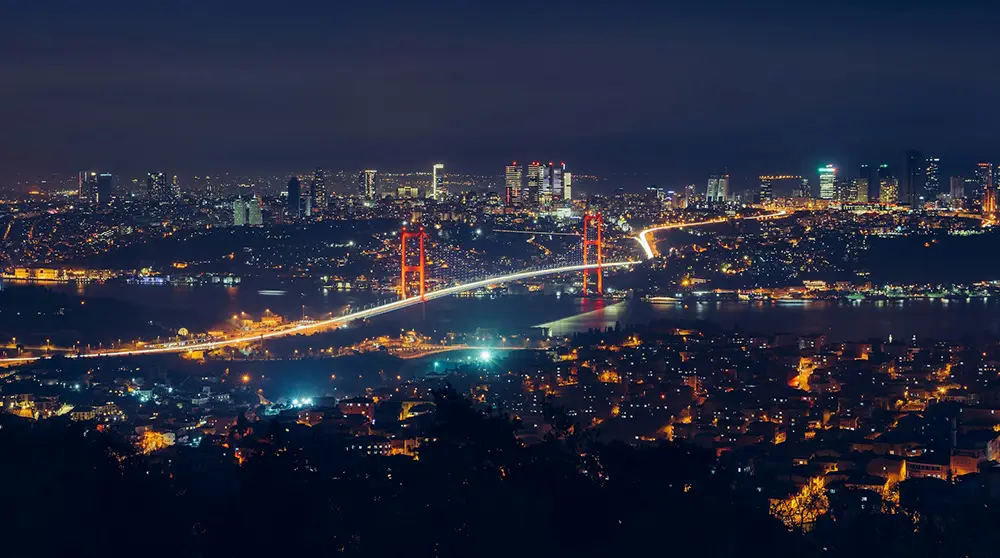
Istanbul doesn’t just have history—it has contrasts you can feel in a single day: Europe and Asia, old and new, sacred and modern, coastal calm and dense city energy.
How to do it well:
-
Take ferries like locals. It’s transportation and sightseeing at.
-
Split your time between the headline icons and the lived-in districts.
-
Treat food as a city tour: breakfasts, street snacks, tea stops, late dinners.
Timing matters in Istanbul, so your best time to visit Turkey guide is a helpful place to start.
And for getting around the city day to day, a Turkey eSIM can be a simple option.
7) Sicily, Italy: coastal drama + serious food culture
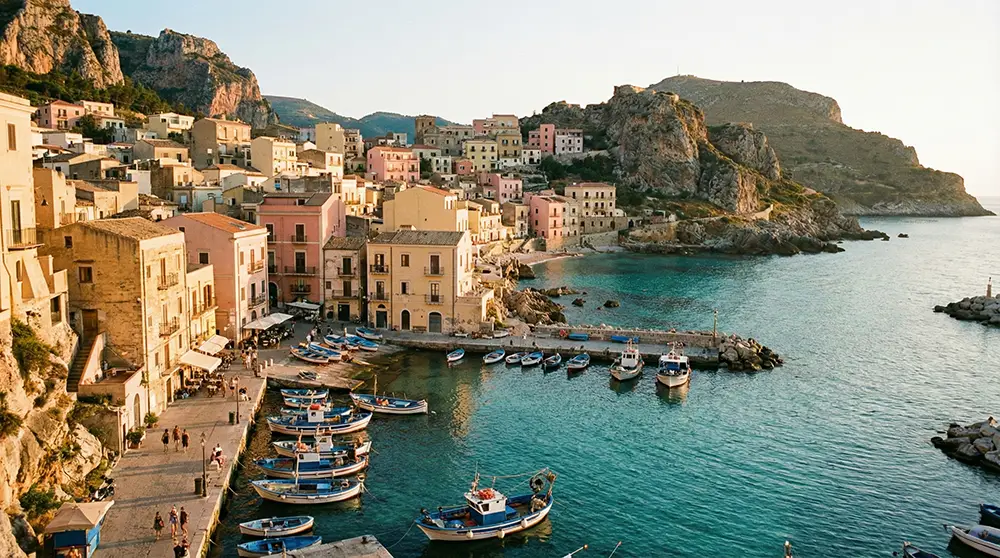
Sicily feels like multiple worlds on island—Greek and Roman ruins, Norman influences, volcanic landscapes, fishing towns, and a food culture that’s genuinely worth building your days around.
How to do it well:
-
Choose coast plus inland area, rather than trying to “do the whole island.”
-
Prioritize markets and small towns, not just the postcard cities.
-
Leave flexibility for beach days, scenic drives, and long lunches that run into the afternoon.
If you’re planning your dates, your best time to visit Italy guide is a helpful way to avoid peak crowds and get better weather windows.
Need data in Italy? Get an eSIM!
Choose the perfect data plan for your trip
Manage your eSIM in the app
Install, top up and track data.
8) Lisbon, Portugal: design, viewpoints, and everyday charm
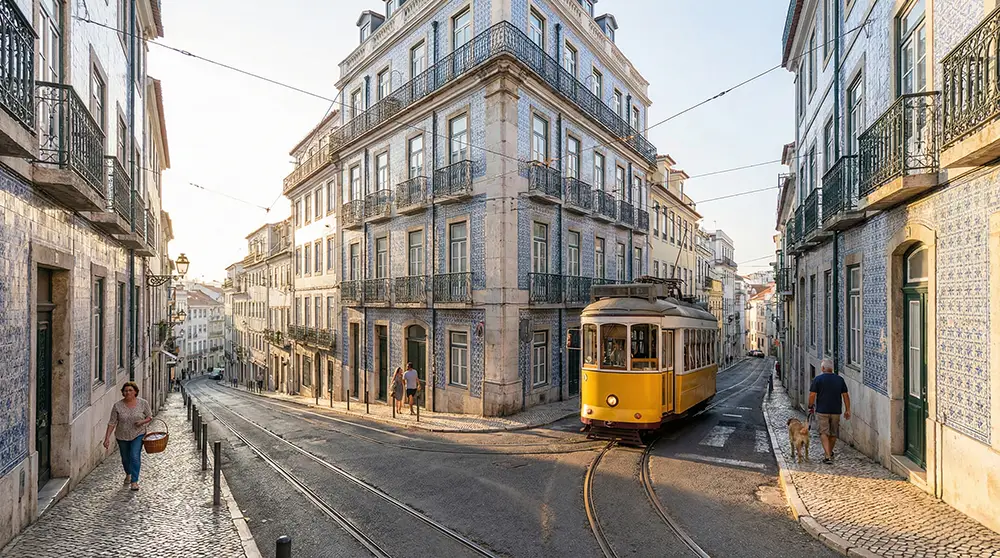
Lisbon is having a long moment, but it keeps earning it—walkable neighborhoods, café culture, music, tiled facades, and that specific Atlantic light that makes even ordinary streets feel cinematic.
How to do it well:
-
Wander early, eat late, repeat.
-
Ride a classic tram for the experience, then do most of the city on foot.
-
Take at least day trip to reset the pace, whether that’s the coast or a quieter inland town.
For keeping things simple while you’re moving around the city, a Portugal eSIM can be a practical option.
9) Hanoi, Vietnam: a city of flavor and texture
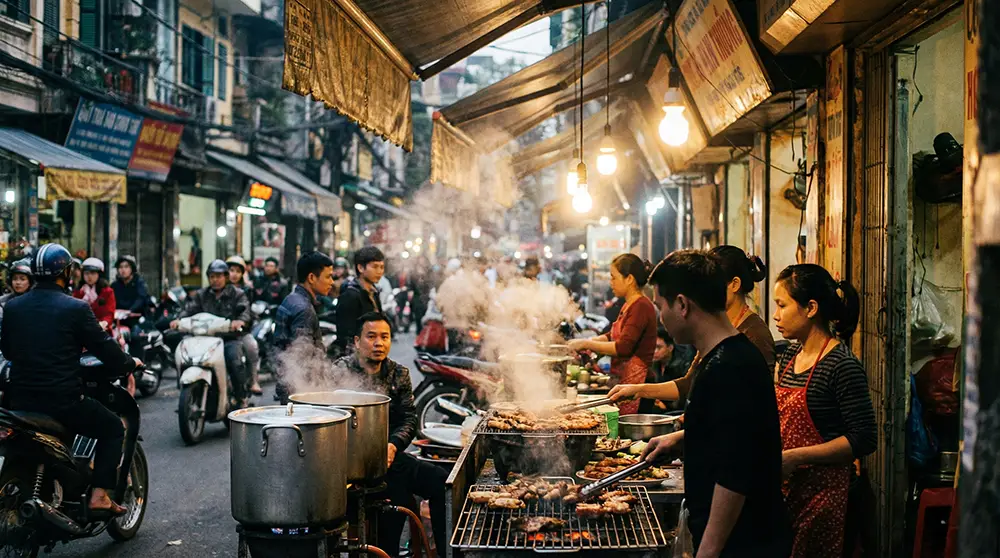
Hanoi’s Old Quarter energy is hard to match: narrow streets, layered signage, low stools, soups and grills, scooters and conversations all happening at. It’s the kind of city where “just walking” turns into a full plan.
How to do it well:
-
Use food as your map. Start with small places that have fast turnover.
-
Spend time by Hoàn Kiếm Lake at different hours—the mood shifts from calm mornings to lively evenings.
-
Balance the city intensity with slower day outside the center to reset your pace.
Need data in Vietnam? Get an eSIM!
Choose the perfect data plan for your trip
'%3e%3cpath id='a' fill='%23FF0' d='M0 0v6h4' transform='rotate(18)'/%3e%3cuse xlink:href='%23a' transform='scale(-1 1)'/%3e%3c/g%3e%3cg id='c' transform='rotate(72)'%3e%3cuse xlink:href='%23b'/%3e%3cuse xlink:href='%23b' transform='rotate(72)'/%3e%3c/g%3e%3cuse xlink:href='%23c' transform='scale(-1 1)'/%3e%3c/svg%3e)
10) Bangkok, Thailand: energy, markets, and modern city life
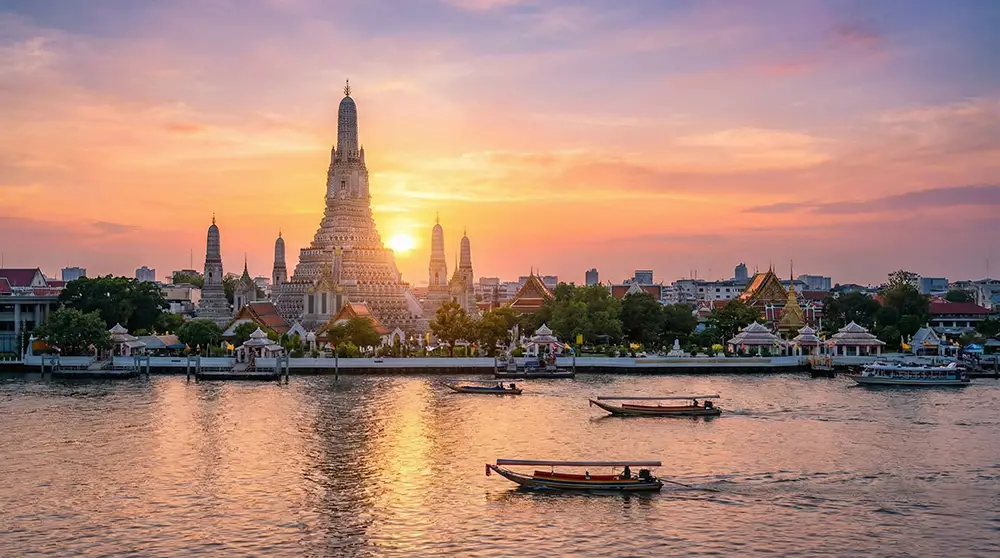
Bangkok is relentless in the best way—street food, night markets, malls, temples, rooftop views, and river routes that stitch the city together. It rewards travelers who lean into the rhythm instead of trying to “complete” it.
How to do it well:
-
Make the river part of your daily movement. Boats are often faster and more interesting than traffic.
-
Use malls strategically for heat breaks—and don’t skip the food courts.
-
Structure your time simply: temple day, market day, and neighborhood day where you just roam.
For getting around day to day without overthinking it, a Thailand eSIM can be a simple option.
Quick planning table: pick the right destination for your travel style
Here’s a simple way to match the top 10 with the kind of trip you actually want—not the trip you feel you should take.
| Destination (Rough Guides 2026) | Best for | Trip vibe | Ideal length | Planning note |
|---|---|---|---|---|
| Marrakech | Culture, markets, design | Intense + immersive | 3–5 days | Build in “wander time” |
| Crete | Beach + nature + food | Relaxed + varied | 5–10 days | Split coast + inland |
| Bali | Wellness + culture | Slow + restorative | 7–14 days | Choose fewer bases |
| Tokyo | Food + neighborhoods + design | High-energy + precise | 5–10 days | Plan by districts |
| Rome | History + city life | Iconic + atmospheric | 3–6 days | Early starts help |
| Istanbul | Crossroads culture | Layered + cinematic | 4–7 days | Use ferries often |
| Sicily | Island road trip | Scenic + culinary | 7–12 days | Pick 2–3 regions |
| Lisbon | City breaks | Easy + stylish | 3–6 days | Viewpoints = walking |
| Hanoi | Street food + texture | Lively + local | 3–6 days | Food-first exploring |
| Bangkok | Big-city energy | Fast + fun | 3–7 days | River routes are key |