


For Dubai in 2026, delete this myth immediately.
Over the last five years, Dubai has radically transformed its Ramadan rules to accommodate tourism. The black curtains that used to hide diners from view are gone. Bars serve cocktails by the pool at noon. And the city doesn't sleep; it just shifts its rhythm to the night.
If you are planning a trip between February 18 and March 18, 2026, you are visiting during of the best times of the year. The weather is a perfect 25°C (77°F), the "Winter Shopping Season" is lingering, and the cultural experience is unmatched.
However, Dubai is still a Muslim city in a conservative region. There are red lines you must not cross—like chewing gum on the Metro or playing loud music on a public beach.
This is your definitive survival guide to eating, drinking, partying, and navigating Dubai during the Holy Month without offending anyone or getting fined.
The 2026 Calendar & Weather
-
Ramadan Starts: Approximately February 18, 2026
-
Ramadan Ends: Approximately March 18, 2026.
-
Eid al-Fitr Holiday: A massive 3-to-4 day national celebration immediately following Ramadan. Expect fireworks, concerts, and fully booked hotels.
🍂 Weather Alert: You are lucky. This period falls in the "sweet spot" of Dubai weather. It is warm enough for the beach but cool enough to walk around Downtown Dubai without heatstroke.
1. Dining Rules: The "Black Curtain" Era is Over
In the past, restaurants had to apply for special permits to serve food during the day, and they were required to block their windows with black screens or curtains.
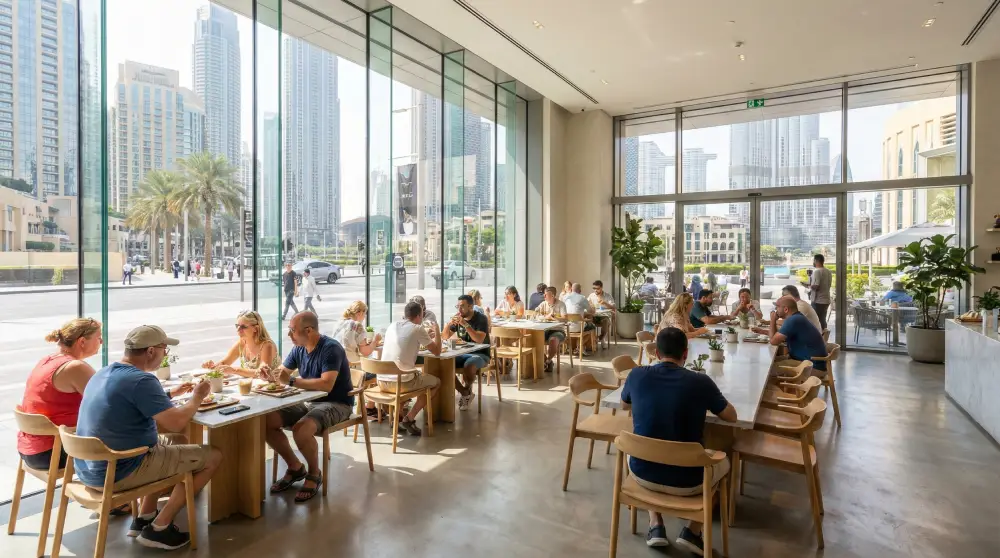
As of 2026, this rule is dead. Dubai's Department of Economy and Tourism has lifted the screening requirement.
Can I Eat and Drink During the Day?
-
In Restaurants: YES. Restaurants, cafes, and food courts in malls operate normally. You can walk into a Starbucks, sit by the window, and drink your latte. Nobody will look at you strangely.
-
At Your Hotel: Breakfast, lunch, and poolside snacks are served as usual.
-
In Public (The Red Line): NO. This is the critical distinction.
-
You cannot walk down the street eating a shawarma.
-
You cannot drink water from a bottle while waiting for the Metro.
-
You cannot chew gum in public spaces.
-
The Penalty: While police are lenient with confused tourists, technically, eating in public during fasting hours can result in a fine. Just be respectful. If you need a sip of water, step into a restroom or a private corner.
🚫 Prohibited Items: Be careful what you bring into the country. Before you pack, read our guide on Dubai Tourist Bans & Laws 2026: Things Not To Do & Illegal Items
2. Alcohol: Can Tourists Drink in Ramadan?
This is the most asked question. The answer is Yes, but the logistics are different than in Europe or Asia.

The "Dry" vs. "Wet" Venues
-
Hotels & Beach Clubs: 90% of international hotels (Marriott, Hilton, Jumeirah) are licensed to serve alcohol. You can order a beer at the pool bar at 1:00 PM.
-
"Dry" Hotels: Some hotels (mostly in Deira or specific local chains) are "Dry Hotels," meaning they never serve alcohol, Ramadan or not. Check your booking carefully.
Time Restrictions & Atmosphere
-
Daytime Service: Most bars operate normal hours.
-
Sunset (Iftar Time): In the past, bars would stop serving for 30 minutes during the call to prayer. In 2026, most venues in tourist areas (Marina, Palm Jumeirah) continue service uninterrupted.
-
No Loud Music: This is the biggest change. While you can drink, you cannot "party" in the traditional sense. Nightclubs will be open, but the music volume is significantly lowered to "lounge levels," and live bands are often banned.
Buying Alcohol for Your Room (The MMI Hack)
Alcohol in bars is expensive ($12–$15 per beer). You might want to buy your own.
-
The Tourist License: Tourists can buy alcohol at MMI or African + Eastern shops. You do not need a residency visa. You just need your Passport.
-
The Limit: There are strict limits on how much you can buy.
✈️ Duty-Free is Cheaper: The smartest move is to buy your allowance at Dubai International Airport (DXB) upon arrival. Check the exact liter limits in our Dubai Airport Customs Rules 2026: Alcohol, Medicine & Banned Items guide.
3. The "Iftar" & "Suhoor" Experience (Why You Must Try It)
Don't just observe Ramadan; taste it. The culinary scene explodes during this month.
The Iftar Buffet (Sunset)
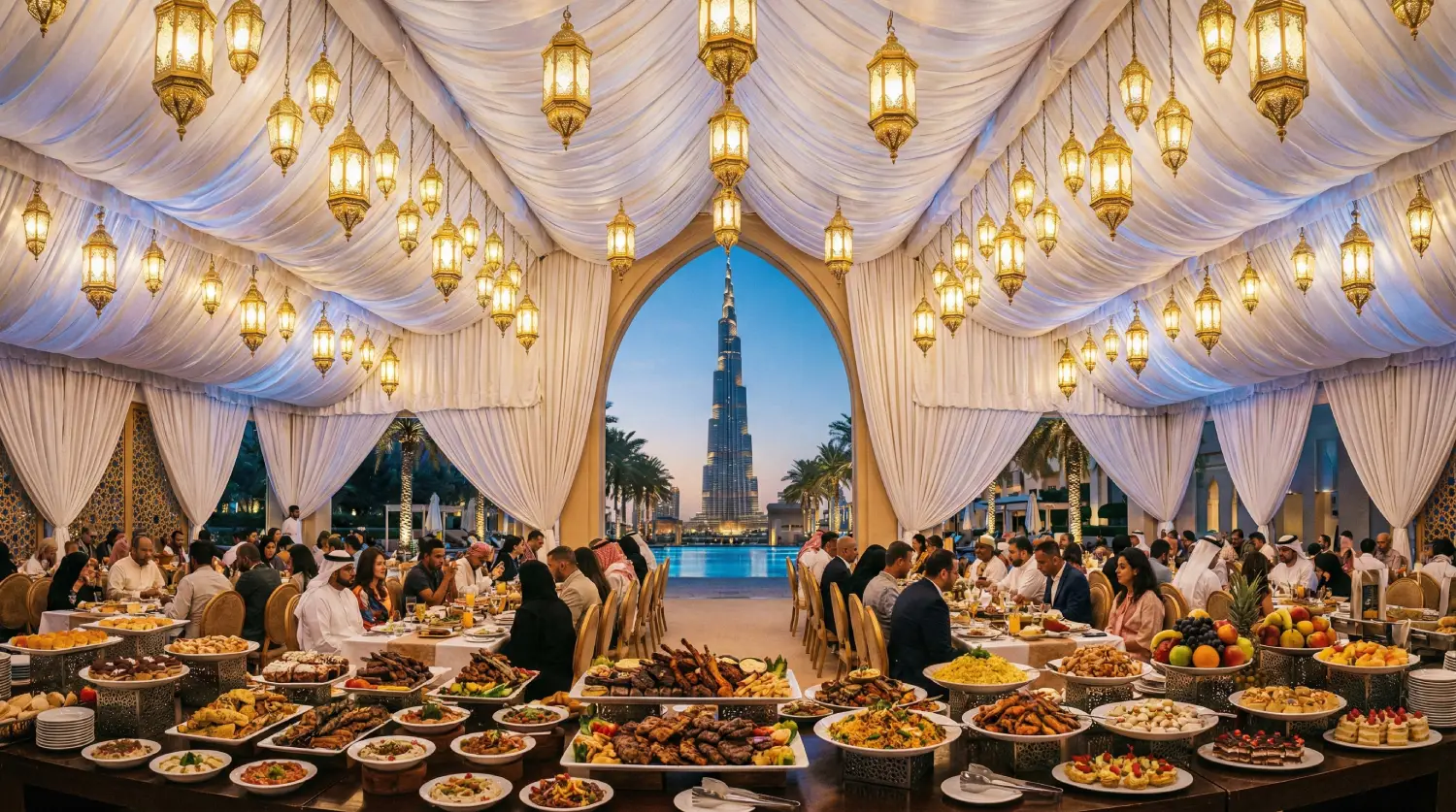
Iftar is the meal to break the fast. Hotels compete to host the most lavish Iftar buffets.
-
What to expect: Mountains of lamb Ouzi, fresh seafood, endless mezze, and specific Ramadan juices like Jallab and Amar al-Din.
-
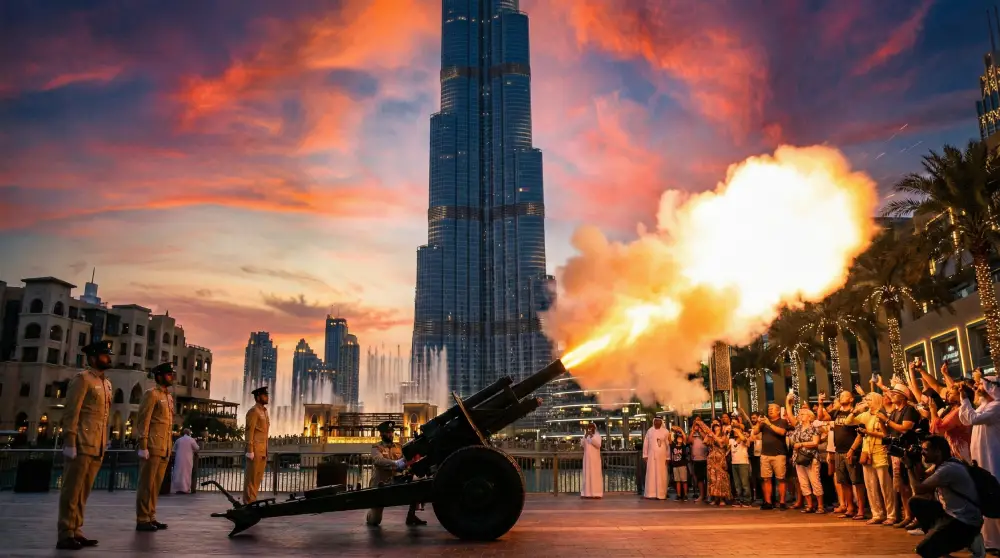
The "Cannon" Tradition: Head to the Burj Khalifa park or Madinat Jumeirah before sunset. Dubai Police fire a ceremonial cannon to signal the end of the fast. It’s a huge spectacle.
The Suhoor Tent (Late Night)
This is the real social vibe of Dubai. Suhoor is technically the pre-dawn meal, but in Dubai, it is a social gathering that starts at 10:00 PM and goes until 2:00 AM or 3:00 AM.
-
The Setup: Giant, air-conditioned tents (like Asateer at Atlantis The Palm).
-
The Vibe: People smoke shisha, play card games, eat light meals, and socialize late into the night. It is the alternative nightlife experience.
4. The "Golden Hour" Traffic Warning
If you take piece of advice from this blog, let it be this: Do NOT try to travel between 5:00 PM and 7:00 PM.
Just before sunset, millions of people are rushing home to break their fast.
-
Reckless Driving: Hunger + Dehydration + Rush Hour = Aggressive driving. Accidents are common.
-
No Taxis: It is nearly impossible to hail a taxi or get an Uber because the drivers are also stopping to eat/pray.
Strategy: Be at your destination (restaurant or hotel) by 5:00 PM. Do not plan to be on Sheikh Zayed Road during this window.
5. Connectivity: The "WhatsApp Call" Problem
Dubai is a hyper-connected city, but it has a massive digital wall that catches tourists off guard: VoIP Bans.
-
The Problem: You connect to hotel Wi-Fi, try to call your family on WhatsApp, FaceTime, or Skype, and... nothing. The call won't connect. The UAE blocks most VoIP (Voice over IP) services.
-
The "Legal" Alternatives: You are forced to download government-approved apps like Botim, which are full of ads and require the other person to have them too.
-
The Map Necessity: Dubai is not a walkable city. You need Google Maps to tell your Taxi driver where to go (drivers often rely on passengers for directions). You need data to book an Uber when there are no taxis.
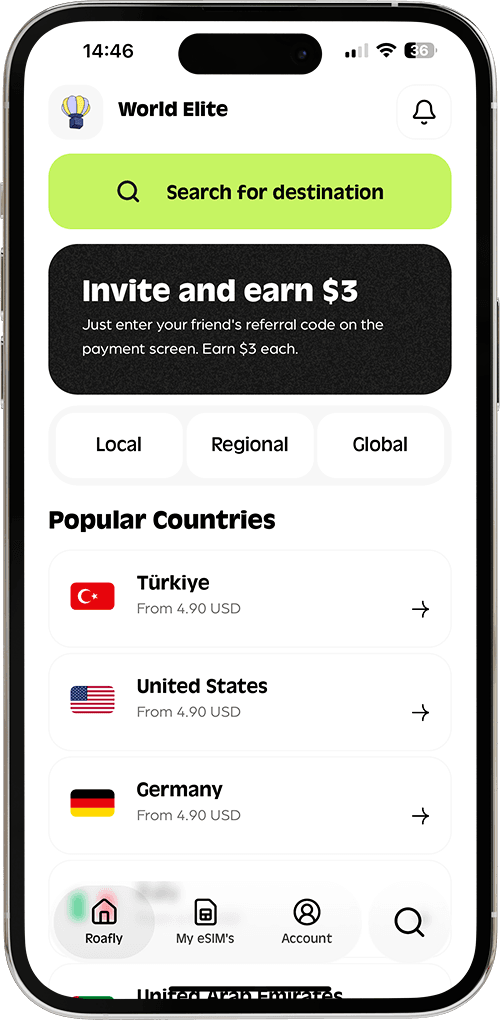
The Solution: Get a Local eSIM Do not rely on roaming (which costs a fortune) or hunting for Wi-Fi. You need a reliable UAE eSIM that gives you high-speed data immediately upon landing. This allows you to use VPNs (if you have them configured) and navigate the city safely.
Don't get stuck offline in the middle of the desert. Click here to get eSIM for Dubai & UAE and stay connected for as low as a few dollars.
🔍 Deep Dive: For a full comparison of Etisalat vs. Du and how to bypass restrictions, read our guide: Is eSIM Allowed in the UAE? 2026 Travel Update for Dubai & Abu Dhabi
6. Dress Code & Public Behavior
Dubai is cosmopolitan, but during Ramadan, "modesty" is the keyword.
-
In Malls: Shoulders and knees should ideally be covered. Security guards in Dubai Mall might politely ask you to cover up if you are wearing very short shorts or a crop top.
-
At the Beach: Bikinis and swimwear are 100% allowed at hotel pools and private beaches.
-
Public Displays of Affection (PDA): Holding hands is fine for married couples. Kissing or hugging in public is frowned upon year-round but is strictly enforced during Ramadan. Save it for the hotel room.
7. Shopping: The City That Never Sleeps
Ramadan turns Dubai into a nocturnal city.
-
Late Hours: Malls like Mall of the Emirates and Dubai Mall stay open until 1:00 AM or 2:00 AM on weekdays and even later on weekends.
-
Ramadan Sales: This is a huge shopping season. Look for "Ramadan Offers" on electronics and fashion.
-
The Souks: The Gold Souk and Spice Souk in Deira are most vibrant after 9:00 PM.
🎄 Planning Ahead? If you love festive vibes, bookmark our guide on Christmas in Dubai: Events, Weather & Travel Tips to see how the city transforms from lanterns to Christmas trees later in the year.
Final Verdict: Should You Visit?
Yes. Visiting Dubai during Ramadan is not a "compromise"; it is an upgrade.
You get better hotel rates, less crowded beaches during the day, and a cultural richness that "Instagram Dubai" usually lacks. You can feast like a Sultan at Iftar, shop until 2 AM, and enjoy the perfect weather.
Just remember the three golden rules:
-
Don't eat/drink on the street.
-
Avoid the roads at sunset.
-
Ensure you have data to navigate the night.
Ready for the desert nights? Grab your UAE eSIM now and experience the magic of Ramadan without losing connection.