

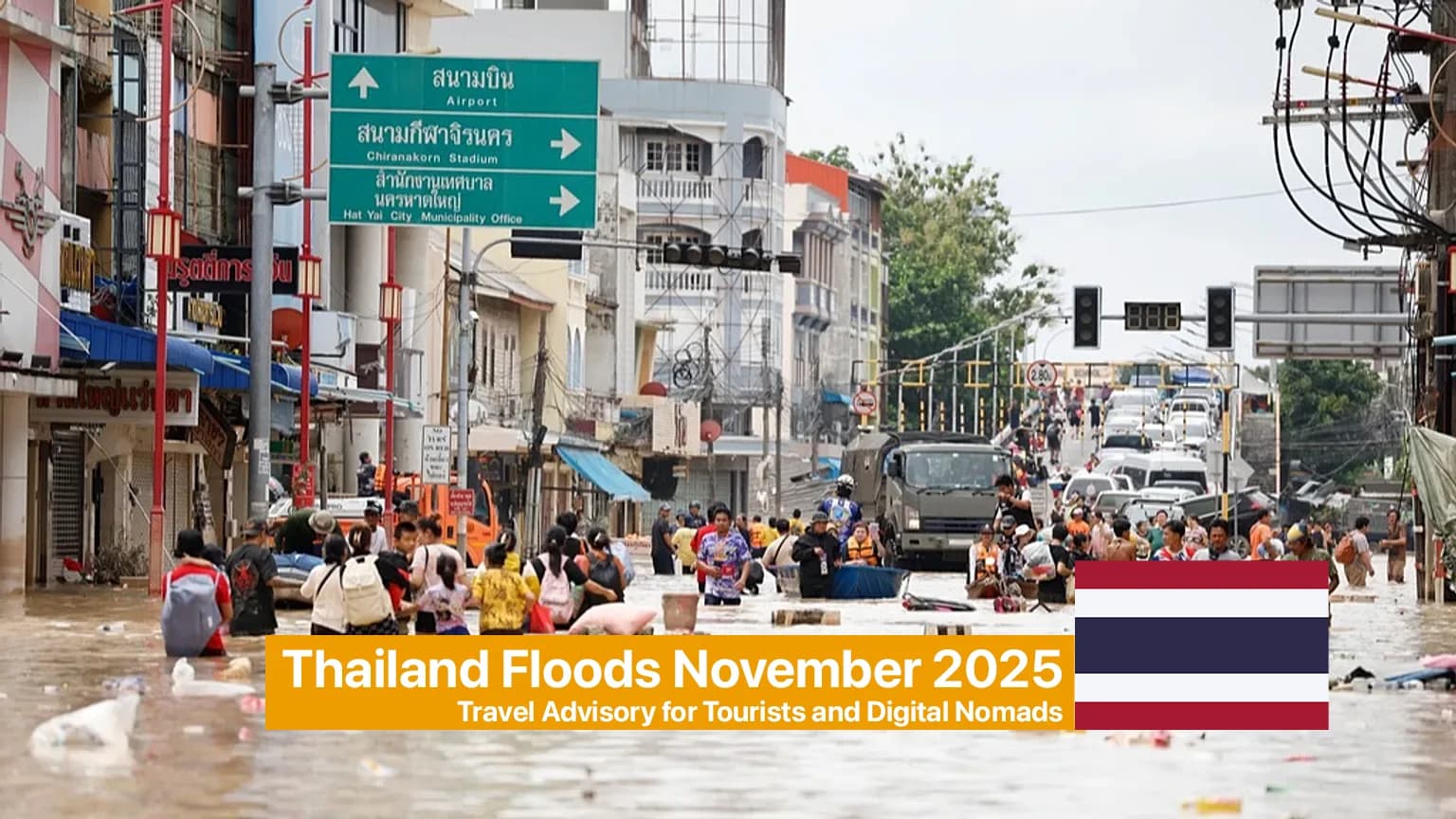

This guide offers a clear, non-live overview of the situation as of late November 2025, helping travelers make informed decisions and adjust their plans if necessary.
UPDATE BOX (3 December 2025)
Latest Update – 3 December 2025
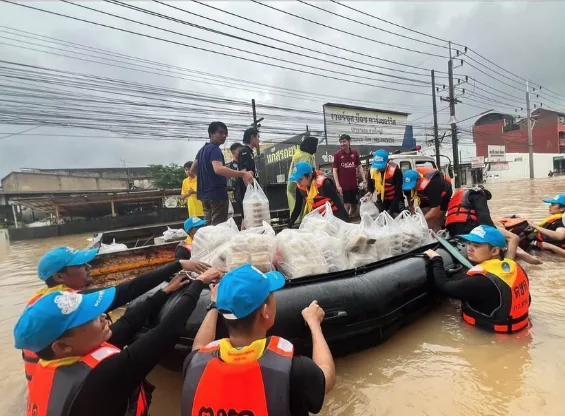
Southern Thailand continues recovery efforts after late-November flooding. Most major island destinations — including Phuket, Krabi, Koh Samui, Koh Phangan and Koh Tao — are now operating normally. Airports, ports and accommodations remain open, and travelers flying directly to the islands report minimal disruption.
Mainland provinces such as Songkhla, Hat Yai, Nakhon Si Thammarat, Pattani and Phatthalung are still experiencing residual flooding, slow road conditions and limited rail service. Travelers relying on buses or trains across these regions may encounter delays throughout early December.
Air travel into the islands remains the most reliable transportation option at this stage, especially for itineraries that require timely connections.
Full Moon Party Update:
Koh Phangan’s tourist areas, including Haad Rin where the Full Moon Party festival is held, remain unaffected by the flooding. Events scheduled for December 5 and December 31, 2025 are expected to proceed normally, with ferries and island transport operating close to standard levels.
For a complete breakdown of festival dates, safety guidelines, travel routes and connectivity tips, you can read our blog:
👉 Full Moon Party Thailand Guide
Current Flood Status by Region (Late November 2025)
Flood impact varies heavily between mainland provinces and island destinations. Below is the general situation based on local authorities and tourism operators.
Severely affected areas (avoid overland travel)
• Nakhon Si Thammarat
• Phatthalung
• Songkhla
• Trang
• Pattani
• Yala
• Narathiwat
• Urban parts of Hat Yai
Partially affected areas (delays possible)
• Surat Thani mainland
• Northern Phang Nga
Largely unaffected & considered safe for travel
• Phuket
• Krabi (Ao Nang, Railay, Tonsai, Koh Phi Phi)
• Koh Samui
• Koh Phangan
• Koh Tao
• Koh Lanta
These areas continue operating normally, including airports, ports and accommodations. Travelers heading directly to the islands by air are experiencing little to no disruption.
Airport & Flight Status
All major tourist airports are open and running near normal levels, with occasional weather-related delays.
• Phuket International Airport (HKT): Fully operational
• Krabi International Airport (KBV): Open, minor delays possible
• Koh Samui Airport (USM): Operating normally
• Surat Thani Airport (URT): Some domestic flights may have slight delays during heavy rain periods
If you are flying from Bangkok toward the islands, choosing a direct flight instead of combining rail or bus transport significantly reduces risk of disruption.
Ground & Sea Transport Updates
Overland travel remains the most impacted component of the flooding.
Train services
All rail routes south of Surat Thani have been suspended or heavily restricted due to track flooding and landslides. Thailand Railway authorities expect gradual reopening toward mid-December, but travelers should avoid relying on trains to reach southern provinces.
Highways
Main interprovincial routes such as Route 41 and Route 44 experienced flooding and temporary closures. Even when open, traffic remains slow.
Ferries & boats
Ferry operations between the mainland and islands are largely unaffected:
• Ferries to Koh Samui, Koh Phangan and Koh Tao: Operating normally
• Ferries to Koh Lanta and Koh Phi Phi: Running as scheduled
• Longtail boats in Krabi/Railay: Mostly unaffected and operating normally
If your itinerary requires traveling via Surat Thani or Don Sak Pier, keep some buffer time as mainland roads may slow down transfers.
Closed or Restricted Attractions
Some nature-based attractions temporarily closed for safety precautions.
• Khao Sok National Park: Floating bungalows evacuated; parts of the park remain closed
• Waterfalls in Phuket and Krabi: Temporary closure due to strong currents and slippery trails
• Tonsai Beach (Krabi): Limited access from the Railay side, depending on tides and local conditions
Beach areas, diving operations, island tours, and major tourist sites remain open, especially in Phuket, Samui and Krabi.
Practical Tips if You’re Traveling to Thailand Now
Traveling during or after heavy monsoon rain requires slightly more planning, but most tourists can still enjoy their trip with minimal disruption.
1. Prefer flights over buses and trains
Travelers heading to Phuket, Krabi and Samui should choose direct flights from Bangkok, Chiang Mai or international hubs. Trains and buses across southern Thailand face the highest chance of delay or cancellation.
2. Book flexible accommodations
Choose hotels or villas that offer free cancellation or flexibility, especially if your itinerary includes mainland areas such as Phang Nga or Surat Thani.
3. Keep reliable mobile data for real-time navigation
Flood-affected regions often experience blocked roads or detours. Offline maps (Google Maps + Maps.me) help, but stable mobile internet is essential for updates, alternative routes and contacting operators.
This is where a travel eSIM provides a major advantage.
Roafly eSIM packages offer:
• Fast activation (QR, direct install or manual)
• Coverage across all tourist regions including Phuket, Krabi, Koh Samui and Phi Phi
• No physical SIM pickup
• Always-on data even during transport disruptions
For Thailand options, explore Roafly Thailand eSIM plans:
Need data in Thailand? Get an eSIM!
Choose the perfect data plan for your trip

Manage your eSIM in the app
Install, top up and track data.
For a full comparison of connectivity options, you can also read our blog: Best esim for thailand guide.
4. Follow local advisories
The Tourism Authority of Thailand (TAT) posts reliable updates on airport operations, weather warnings and transport changes. Local Facebook groups (Phuket News, Samui Info, Krabi Updates) also share practical reports from residents.
5. Consider shifting overland routes to mid-December
Road and rail conditions typically stabilize between mid- and late December. If your travels involve Nakhon Si Thammarat, Hat Yai or Trang, consider adjusting these legs slightly.
If your travel plans are flexible and you're considering alternative warm destinations for December, also read best countries to visit in december 2025 for route ideas and nearby options.
How Long Will Disruptions Last?
Based on seasonal patterns and government briefings, most mainland routes are expected to normalize by mid to late December 2025. Tourist islands, however, already remain open and are entering high season from December through February — traditionally the driest and most stable period for tourism.
Travelers flying directly to Phuket, Krabi, Koh Samui or Koh Phangan can expect a mostly normal holiday experience without major interruptions.
Internal Recommendation for Readers
If your itinerary involves airport arrival and immediate island transfer, having your mobile data ready before landing helps avoid delays or communication difficulties with drivers, ferries and hotels.
Conclusion
While southern Thailand experienced notable flooding in several mainland provinces in November 2025, the vast majority of tourist destinations remain open, safe and fully accessible. Visitors flying directly to Phuket, Krabi or Koh Samui will encounter minimal disruption, and most island activities continue as normal.
For reliable connectivity throughout your trip, check Roafly Thailand eSIM plans before you travel.