Download the App and manage your eSIMs easily
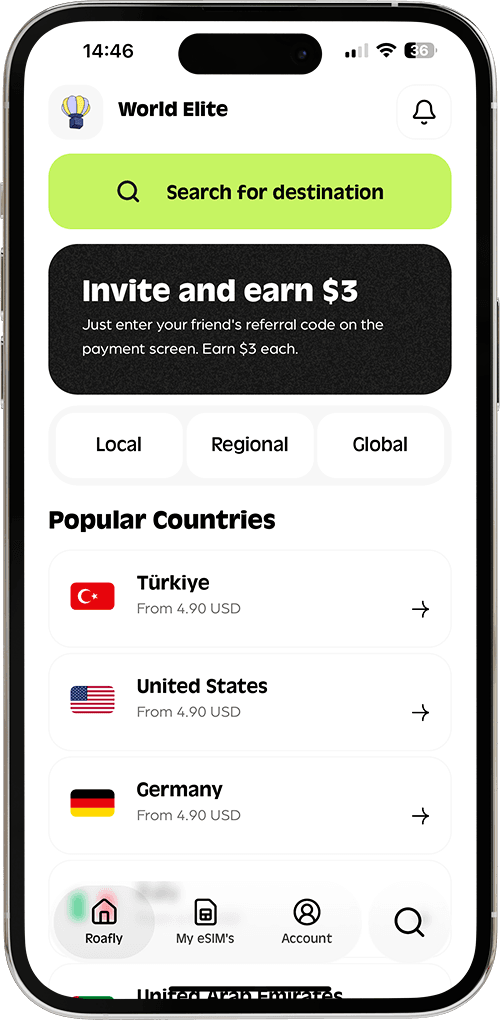
Create your order quickly
See your eSIM details
Track your remaining data
Download the App and manage your eSIMs easily
Create your order quickly
See your eSIM details
Track your remaining data
When you envision a trip to South Africa, you picture the ultimate bucket-list adventure: sipping world-class wine in Stellenbosch, watching the sunrise over Table Mountain, and locking eyes with a wild lion in the Kruger National Park. It is undeniably one of the most beautiful and culturally rich countries on Earth.
Vodacom
Instant delivery
From 4.50 USD

Sophie Callahan
Updated Apr 5, 2026
8 min read
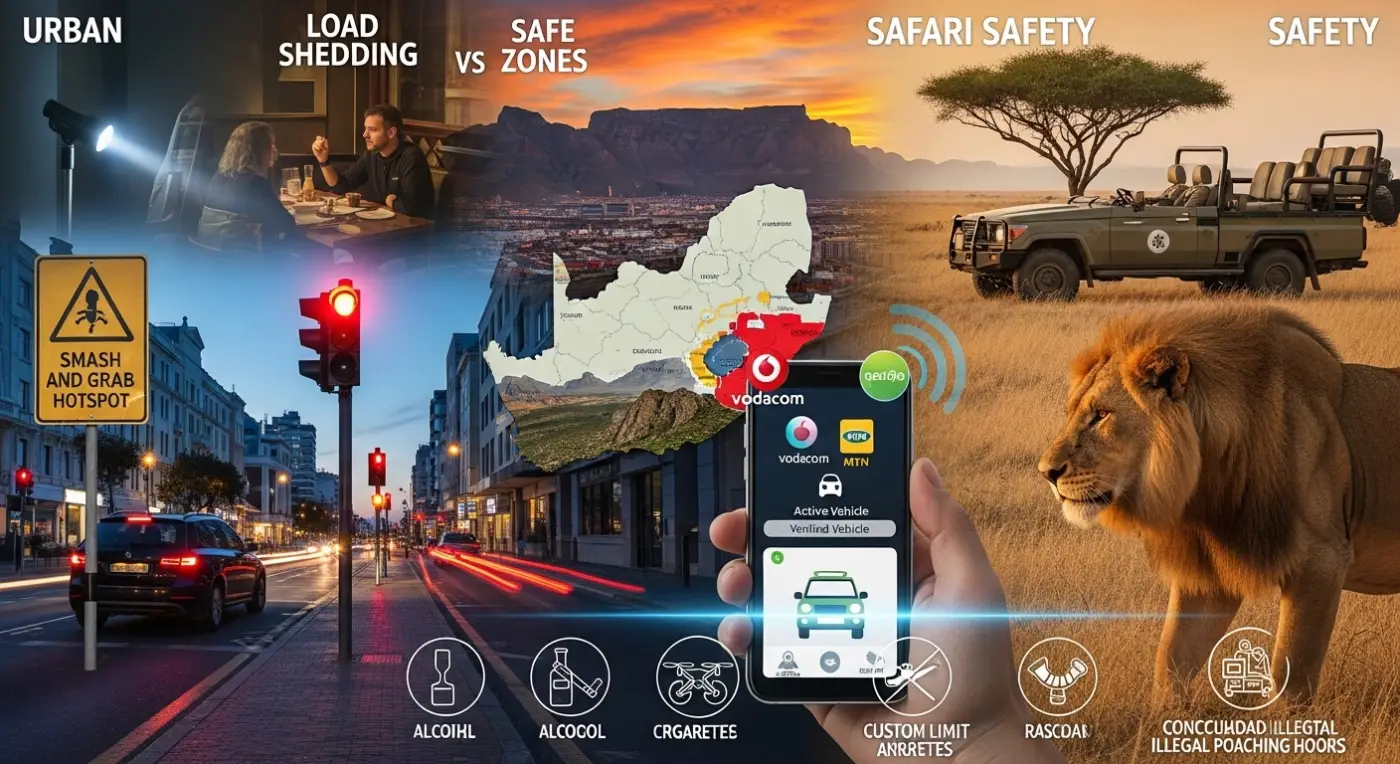
Jump to section
👇Best for most trips
Vodacom

South Africa
10 GB · 30 days
Enough for maps, bookings and everyday travel.
Hotspot supported
$21.00
From 4.50 USD
However, if you type "South Africa" into a news search, you will be met with a barrage of alarming headlines. High violent crime statistics, scheduled national blackouts, and stark economic inequality paint a very different picture.
So, what is the reality on the ground? Is South Africa actually safe for foreign tourists?
The unfiltered truth is: Yes, but it requires a state of hyper-vigilance. You cannot travel in South Africa the same way you would backpack through Europe or Southeast Asia. It is a country where you must follow strict safety protocols, understand the local terminology, and carefully map out your daily movements.
This comprehensive guide will strip away the anxiety and give you the exact, street-smart rules you need to navigate the cities safely, survive the national power grid crisis, pass through strict customs, and enjoy the wildlife without becoming a target.
The most pressing concern for tourists in South Africa is opportunistic street crime. While violent crimes generally occur outside of the main tourist hubs, tourists are prime targets for muggings and theft.
Never Walk at Night: This is the golden rule of South Africa. Even if your restaurant is only three blocks away from your hotel in Cape Town, you do not walk back after dark. You order an Uber.
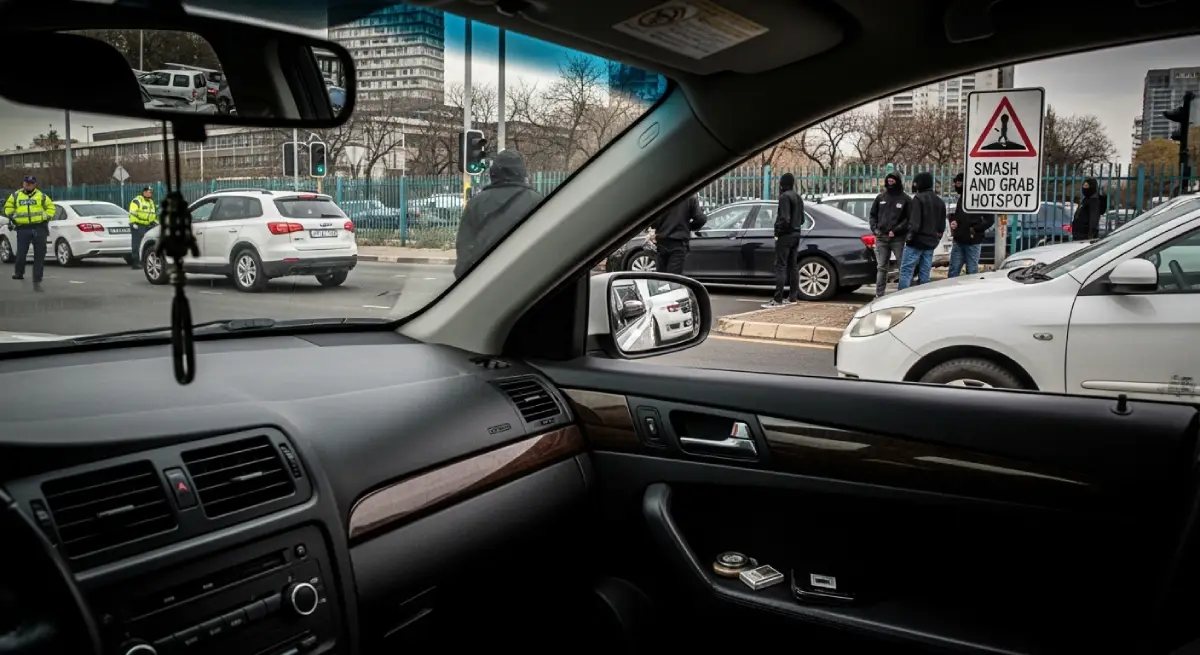
The "Smash and Grab": When driving in cities like Johannesburg or Pretoria, you will notice warning signs at intersections (known locally as "robots") about "Smash and Grabs." Thieves target cars waiting at red lights, smashing the passenger window to snatch bags or phones off the seat. Rule: When driving, your doors must be locked, windows rolled up, and all valuables (phones, purses, backpacks) must be completely out of sight on the floor or in the trunk.
ATM Awareness: ATM skimming and distraction thefts are common. Never let anyone "help" you at an ATM. If someone approaches you while you are making a transaction, cancel it immediately and walk away.
You cannot visit South Africa without understanding "Load Shedding." Due to a long-standing energy crisis, the government utility provider (Eskom) intentionally cuts power to different neighborhoods for several hours a day to prevent a total grid collapse.
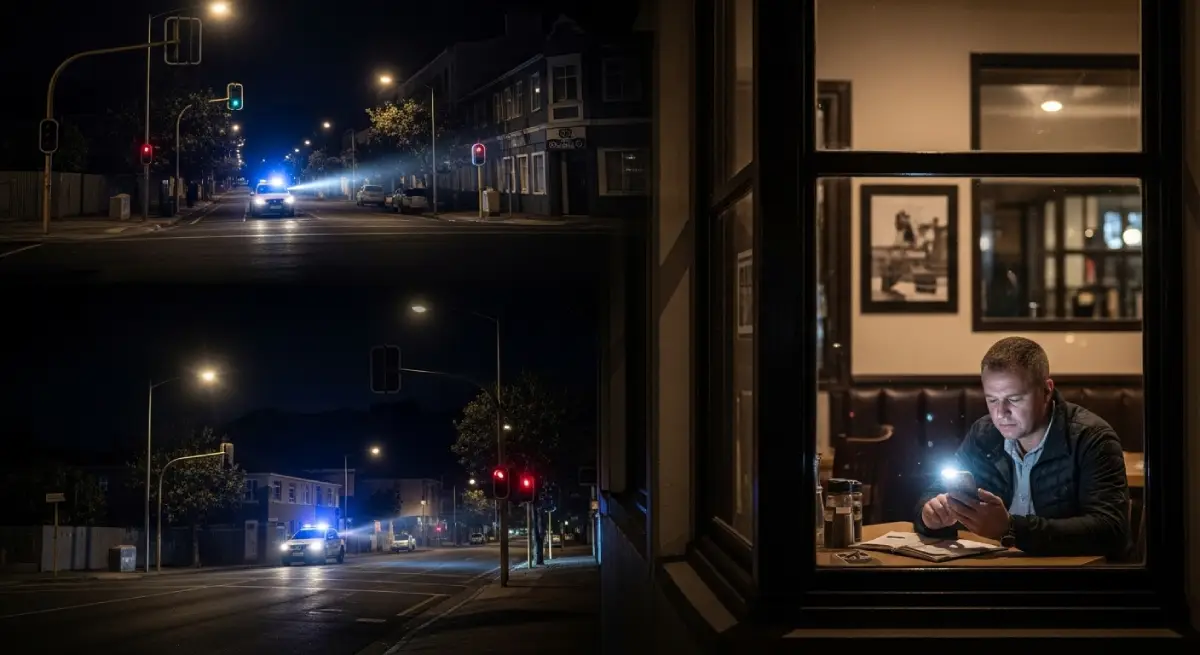
How this affects your safety and logistics:
Traffic Chaos: When the power goes out, the traffic lights (robots) stop working. Intersections become four-way stops. It causes massive traffic jams, so you must factor in extra travel time.
Safety in the Dark: Walking down unlit streets during a power cut is incredibly dangerous. High-end hotels and Airbnbs usually have backup generators or inverters, but budget accommodations might leave you in total darkness. Always carry a power bank and a flashlight.
Cash is Still King: During stage 4 or stage 6 load shedding, credit card machines at smaller shops and restaurants might lose connectivity. Always carry a small amount of cash (South African Rand) for emergencies.
South Africa's cities are heavily divided. A vibrant, luxurious neighborhood can sit just a few miles away from an impoverished, high-crime township.
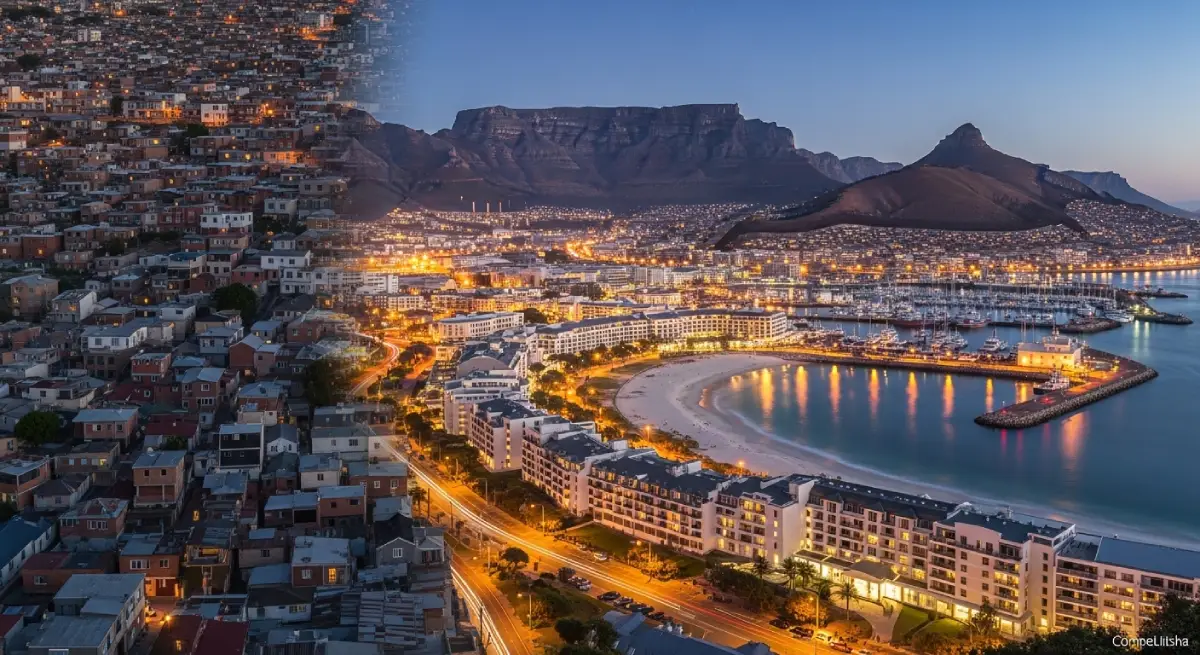
Often voted one of the best cities in the world, Cape Town is heavily patrolled by private security in tourist areas.
Safe Zones: The V&A Waterfront, Camps Bay, Clifton, and Sea Point are generally very safe during the day.
Red Zones: Tourists should absolutely avoid the "Cape Flats" and specific townships (like Nyanga or Khayelitsha) unless on a certified, reputable guided tour. Never hike Table Mountain or Lion's Head alone; always go in a group, as muggings on the trails do happen.
Joburg is the financial hub but has a rougher reputation than Cape Town.
Safe Zones: Sandton, Rosebank, and Melrose Arch are affluent, heavily fortified neighborhoods where tourists spend most of their time.
Red Zones: The inner-city CBD (Central Business District), Hillbrow, and Berea are considered extremely dangerous and should be completely avoided by tourists.
South Africa has strict biosecurity and cultural laws. You might survive the streets of Johannesburg, only to be heavily fined at O.R. Tambo International Airport.
Strict Animal Laws: South Africa fights a constant war against poaching. Buying, exporting, or carrying unauthorized animal products (like certain horns, skins, or ivory) will result in immediate arrest and severe federal charges.
Drone Flying: Thinking of flying your drone over the Kruger National Park or Table Mountain? Don't. It is strictly illegal to fly drones in national parks to protect wildlife from poachers. Your equipment will be confiscated.
To ensure you don't accidentally break local regulations, read our deep dive into South Africa Tourist Laws: Illegal Items & Strict Bans.
Furthermore, if you are bringing your own vaping devices or bringing in gifts, the customs officers are very strict about limits. Ensure you check the exact allowances in our South Africa Airport Customs Rules: Alcohol, Cigarettes, Vaping guide before you pack.
Getting around safely is your biggest logistical challenge. Public transport is not like Europe.
Avoid Minibus Taxis: You will see thousands of white minibus taxis honking and swerving through traffic. These are for local commuters. They are entirely unregulated, frequently involved in accidents, and are not safe for foreign tourists. * The Uber Rule: Uber is cheap, reliable, and the safest way to get around cities. However, never wait for your Uber on the street. Wait inside the restaurant, hotel, or mall until the app says the driver has arrived. Always check the license plate before getting in.
Going on a safari in the Kruger National Park or a private game reserve is generally the safest part of your trip, provided you respect nature.
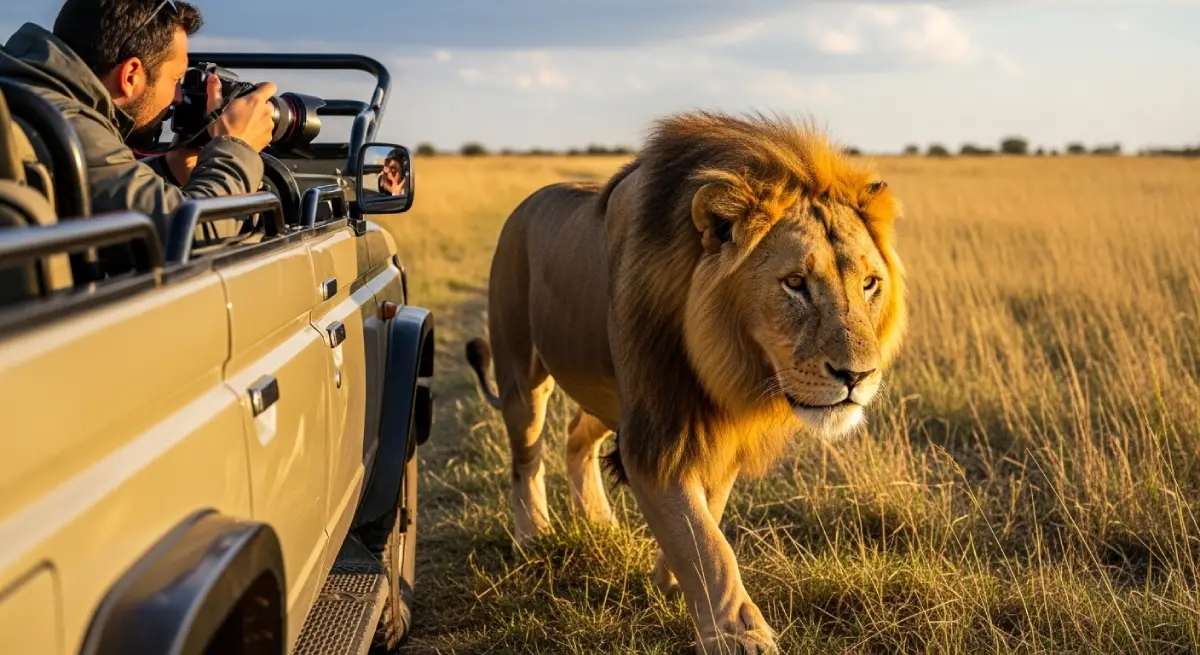
Stay in the Vehicle: Wild animals view a jeep as a single, large entity. The moment you step out, you break that outline and become prey. Never exit your vehicle outside of designated, fenced rest camps.
The Malaria Zone: While the Garden Route and Cape Town are malaria-free, the Kruger National Park (in the Mpumalanga province) is in a malaria zone. You must consult a doctor about anti-malaria pills before visiting.
Beware the Baboons: In the Cape Point region, wild baboons are notorious for breaking into cars to steal food. Keep your windows rolled up and never eat a sandwich in front of them—they can be highly aggressive.
In a country where walking at night is dangerous, and scheduled "Load Shedding" power cuts instantly kill hotel Wi-Fi networks, your smartphone is your ultimate safety device.
If you are stranded after dark because a power cut disabled the local trains, or if you need to order an Uber to escape a sketchy neighborhood, you cannot rely on finding an open Wi-Fi network. You need a high-speed, constant cellular connection.
How to Stay Connected: You can queue at the airport to buy a physical SIM card, but you must go through the RICA registration process (providing your passport and proof of address). To find out the best ways to get connected without the bureaucratic headache, read our guide on How to Get Internet in South Africa: SIM Card, Travel eSIM, and Pocket WiFi.
The Ultimate Travel Hack: The safest and most efficient strategy is to skip the airport kiosks entirely and download a travel eSIM before you board your flight. The moment you land in Johannesburg or Cape Town, your phone connects to local 4G/5G networks (like Vodacom or MTN), allowing you to call an Uber safely from the arrivals terminal.
Compare the top local network options and skip the hassle via our guide: Best eSIM for South Africa.
👉 Do not land offline in South Africa. Secure your South Africa eSIM right now and travel with peace of mind.
Absolutely. South Africa is a country that rewards prepared travelers. It offers world-class culinary experiences, breathtaking landscapes, and unparalleled wildlife encounters at a fraction of the cost of other destinations.
If you use Uber instead of walking at night, keep your car doors locked, respect the wild animals, and ensure your phone is always connected to a reliable data network, you will experience the absolute magic of the "Rainbow Nation" safely.
Pack smart, stay vigilant, and get ready for the adventure of a lifetime.
Best for most trips
Vodacom
South Africa
10 GB · 30 days
Enough for maps, bookings and everyday travel.
Hotspot supported
$21.00
From 4.50 USD
Choose the perfect data plan for your trip

Manage your eSIM in the app
Install, top up and track data.
