

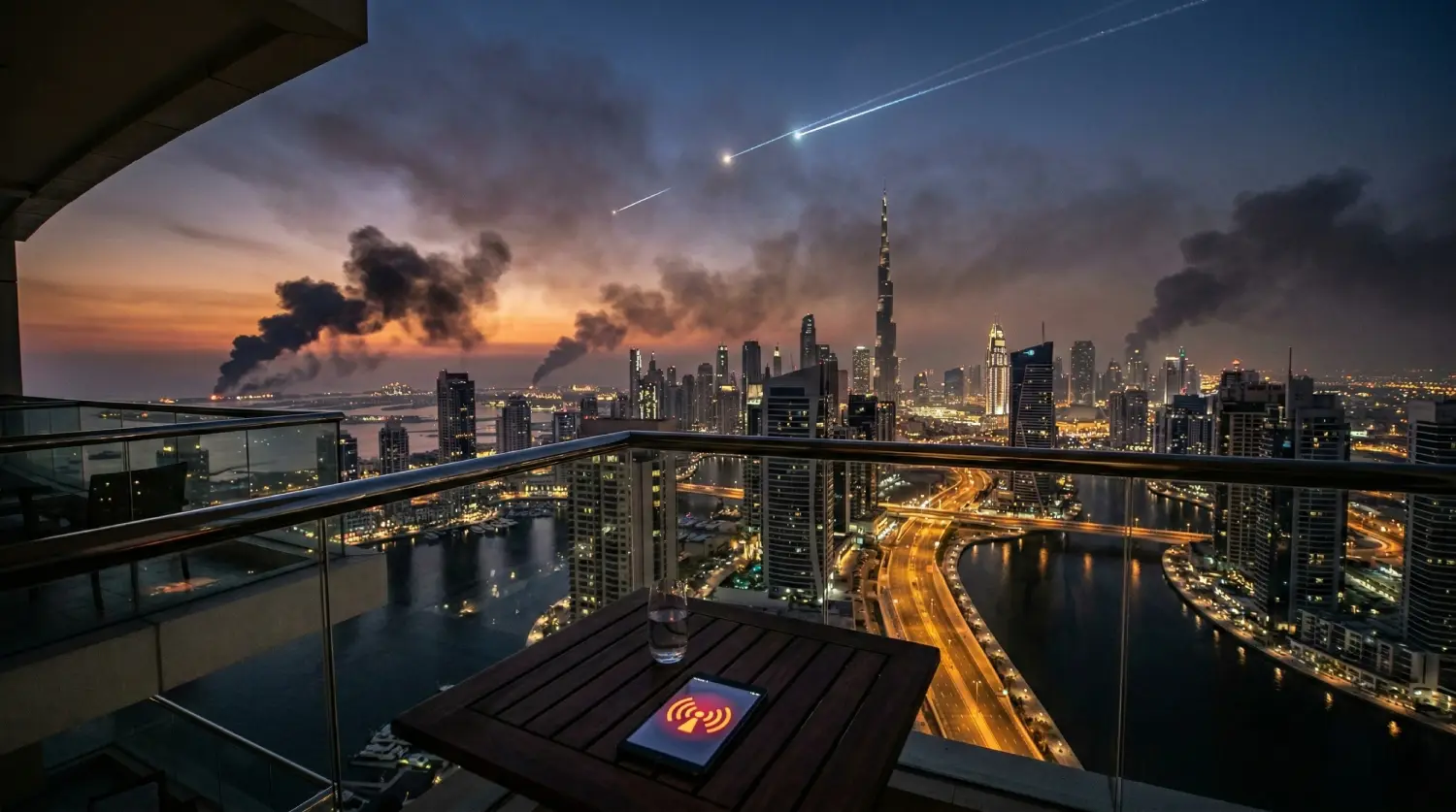

Over the weekend of February 28 - March 1, 2026, the Middle East entered a severe military escalation. Following joint US-Israeli military strikes that resulted in the death of Iran's Supreme Leader, Tehran launched a massive, unprecedented wave of retaliatory ballistic missiles and drones across the Gulf region. The targets include US-aligned bases and infrastructure in the United Arab Emirates, Qatar, and Bahrain.
The UAE government has issued a rare, nationwide emergency alert to all residents and visitors to "seek immediate shelter." While the UAE’s advanced air defense systems have intercepted the vast majority of the incoming threats, falling debris and successful strikes have caused visible damage, injuries, and absolute chaos at the world's busiest international transit hubs.
Here is the unfiltered, breaking reality of the March 2026 Gulf crisis: a detailed breakdown of which areas in Dubai and Abu Dhabi were hit, the current operational status of Dubai International Airport (DXB), and the exact protocol you must follow if you are currently stranded in the country.
1. Ground Zero: What Exactly Was Hit in the UAE?
Dubai is internationally renowned as a secure, luxury safe haven. The events of the past 24 hours are deeply shocking to tourists who woke up to air-raid sirens and thick plumes of smoke over the city.
The primary danger right now is not necessarily a targeted attack on civilians, but the falling debris from intercepted missiles and drones. The UAE possesses state-of-the-art Patriot missile defense systems that are actively blowing these threats out of the sky. However, the heavy burning metal debris has caused significant localized damage.
Confirmed Incidents as of March 1, 2026:
-
Burj Al Arab: Dubai authorities confirmed that a drone was intercepted above the city, but the falling debris ignited a limited fire on the outer facade of the iconic sail-shaped Burj Al Arab luxury hotel. Civil Defence teams immediately controlled the blaze.
-
The Palm Jumeirah: Debris and strikes hit the world-famous man-made island. A fire broke out at the Fairmont hotel, resulting in at least four reported injuries. Emergency services quickly evacuated the area.
-
Jebel Ali Port: Debris from an aerial interception caused a significant fire at of the commercial berths at Jebel Ali Port, sending massive plumes of black smoke into the Dubai skyline.
-
Al Nahda Industrial Area: Fresh strikes were reported in the Al Nahda district on Sunday afternoon, indicating that the drone barrages are.
-
Abu Dhabi (Zayed International Airport): In the neighboring capital, the situation turned tragic. Airport authorities confirmed that falling shrapnel from an intercepted drone at Zayed International Airport resulted in the death of Asian national and injured seven others.
2. Aviation Paralysis: DXB and DWC Operations Suspended
The most severe impact on global tourists is the total paralysis of the region's aviation network. The airspace over the UAE is highly restricted, and the biggest disruption to global air transport since the COVID-19 pandemic is currently underway.
The Incident at Dubai International Airport (DXB) DXB, the busiest international airport in the world, was directly affected early Sunday morning. Dubai Airports confirmed that a concourse sustained minor structural damage during the attacks. Four airport staff members were injured and required urgent medical care. Due to emergency contingency plans, the terminals were rapidly evacuated, which successfully prevented mass civilian casualties.
Current Flight Status:
-
Airspace Closures: Flights in and out of the UAE have been canceled, rerouted, or indefinitely delayed.
-
Emirates and Flydubai: Emirates Airlines has suspended all departures from Dubai, urging passengers to completely avoid the airport. Flydubai has followed suit.
-
Etihad Airways: All departures from Abu Dhabi have been halted.
CRITICAL ADVICE: Do not go to the airport blindly. If you are currently in a Dubai hotel trying to flee the country, do not leave your resort to go to DXB or Abu Dhabi airports. The terminals are operating under severe emergency restrictions, and getting stranded in an airport concourse during an active military conflict is highly dangerous. Wait for explicit, digital confirmation from your airline.
3. The "Shelter in Place" Protocol: What You Must Do
If you received the UAE government's emergency mobile alert to "seek immediate shelter," you must take it seriously. This is not a drill.
-
Stay Inside Your Hotel: Mega-resorts and luxury hotels in Dubai are built with heavy concrete and have extensive emergency protocols. You are relatively safe inside. Do not go to the beaches, do not visit the Dubai Mall, and do not go up to high-rise observation decks like the Burj Khalifa.
-
Stay Away From Windows: In the event of a nearby interception, the shockwave can shatter glass. If sirens sound, move to the interior corridors or stairwells of your hotel.
-
Do Not Use Rideshares: Traffic on major highways like Sheikh Zayed Road is chaotic, and you do not want to be trapped in a taxi or Uber if an air-raid siren goes off.
-
Follow Official Channels: The UAE Ministry of Defense and the Dubai Media Office are posting real-time updates. Rely on official government statements, not social media rumors.
4. Crisis Connectivity: Your Digital Lifeline
During a geopolitical crisis of this magnitude, real-time information is the thing keeping you safe.
If you are locked down in a Dubai hotel room with thousands of other panicked tourists, the building's Wi-Fi network will likely crash. Everyone is simultaneously trying to stream live news, check FlightRadar, contact their embassies, and FaceTime their families.
You cannot rely on hotel Wi-Fi during an active military conflict.
You need a dedicated, independent cellular data connection to:
-
Receive instant SMS push alerts from your government (like the US STEP program or the UK Foreign Office).
-
Monitor live airspace updates and receive immediate rebooking notifications from the Emirates or Etihad apps.
-
Keep your GPS active in case you need to navigate to an embassy or designated safe zone.
Wandering the streets to find an open Etisalat or du kiosk for a physical SIM card is physically dangerous and violates the shelter-in-place advisory. The safest protocol is to download a digital data plan directly to your phone from your hotel room.
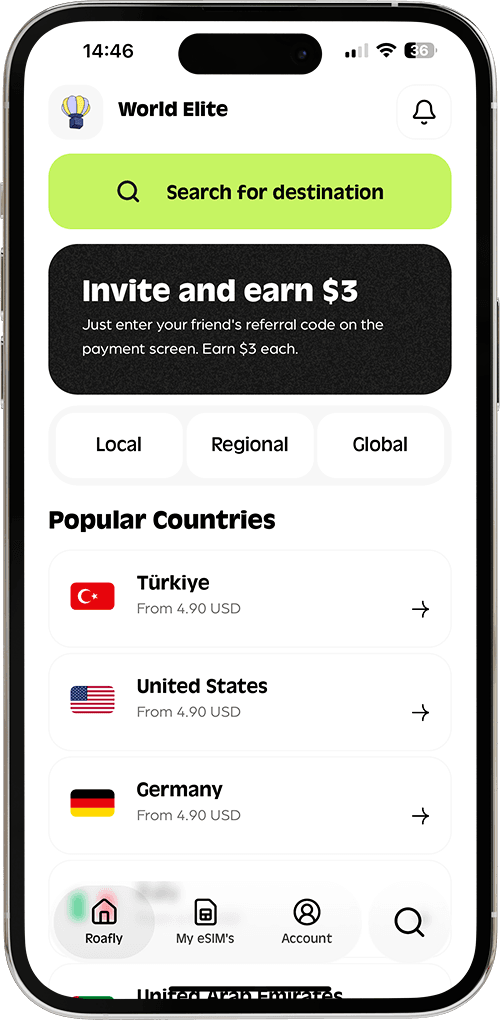
We highly recommend installing a Dubai/UAE eSIM right now. It takes two minutes to activate via QR code and ensures you have uninterrupted, high-speed 5G data to navigate sudden flight changes and keep your family updated on your safety.
Final Crisis Checklist for Tourists
This is a highly volatile and rapidly developing military situation. If you are in Dubai or Abu Dhabi right now, prioritize your physical safety over your vacation itinerary.
-
Register Your Presence: Contact your home country's embassy immediately (e.g., US citizens should use the STEP program) so they can account for you in the event of an organized evacuation.
-
Contact Your Airline Digitally: Do not call; phone lines are jammed. Use your airline's app to process travel waivers, request refunds, or automatically rebook your flight for a later date when the airspace reopens.
-
Stock Up on Basics: While Dubai's supply chain is robust, it is wise to buy extra bottled water and non-perishable snacks from your hotel's convenience store so you don't have to leave the property.
We will continue to update this page as more information from DXB and UAE authorities becomes available. Stay indoors, stay connected, and stay safe.